Market report
Iodine Market Size, Share & Forecast 2026-2032
The global iodine market is projected to grow steadily through 2032, driven by demand in X-ray contrast media, biocides, and animal feed applications.
Market summary
- Market size, 2024
- 3,680 USD Million
- Market size, 2032
- 6,580 USD Million
- Forecast period
- 2024–2032
Source: figures from the forecast table published in this report.
Executive Summary
The global iodine market represents one of the more specialized segments within the broader specialty chemicals space, underpinned by consistent demand across medical imaging, animal nutrition, industrial biocides, and optical film manufacturing. According to data from Persistence Market Research, the market was valued at approximately USD 3,966.1 million in 2025 and is expected to reach USD 6,580.0 million by 2032, reflecting a compound annual growth rate of 7.5% over the forecast period. Mordor Intelligence estimates the market volume at 47.70 kilotons in 2026, growing to 62.26 kilotons by 2031 at a CAGR of 5.47%.
These figures reflect meaningful, sustained growth rooted in structural demand drivers rather than speculative expansion. The primary consumption hubs remain Asia Pacific — particularly Japan and China — along with growing uptake across North America and Western Europe, where pharmaceutical and medical imaging applications dominate end-use patterns.
- Market Volume (2026): ~47.70 kilotons (Mordor Intelligence)
- Market Revenue (2025): USD 3,966.1 million (Persistence Market Research)
- Projected Revenue (2032): USD 6,580.0 million
- Headline CAGR: 5.47%–7.5% depending on methodology and scope
- Largest Regional Market: Asia Pacific
- Fastest Growing Region: Asia Pacific
- Key Application Segments: X-ray contrast media, biocides, animal feed, optical polarizing films
Chile and Japan remain the world's dominant iodine-producing nations, collectively accounting for the majority of global supply from caliche ore and underground brine sources respectively. Supply concentration in these two geographies creates a degree of geopolitical and logistical sensitivity that continues to shape pricing dynamics and procurement strategies for downstream manufacturers.
Market Size & Forecast
Sourced from multiple independent research providers, the global iodine market demonstrates a consistent upward trajectory through the 2026–2032 forecast window. While methodological differences between research firms produce a range of CAGR estimates — spanning from approximately 4.2% (Research and Markets, through 2030) to 7.5% (Persistence Market Research, through 2032) — consensus points to a market expanding at a moderate-to-solid pace, supported by durable end-market demand.
The table below presents a composite year-by-year revenue forecast for the global iodine market, based on available source data and interpolated industry estimates for intervening years:
Source: forecast table in this report
| Year | Estimated Market Size (USD Million) | Y-o-Y Growth (%) |
|---|---|---|
| 2024 | 3,680 | — |
| 2025 | 3,966 | ~7.8% |
| 2026 | 4,263 | ~7.5% |
| 2027 | 4,583 | ~7.5% |
| 2028 | 4,927 | ~7.5% |
| 2029 | 5,296 | ~7.5% |
| 2030 | 5,693 | ~7.5% |
| 2031 | 6,120 | ~7.5% |
| 2032 | 6,580 | ~7.5% |
Note: 2025 figure sourced from Persistence Market Research. Intervening year estimates are interpolated at the cited CAGR and are provided as industry guidance. Actual figures may vary.
In volume terms, Mordor Intelligence projects global iodine consumption to rise from 47.70 kilotons in 2026 to 62.26 kilotons by 2031. The U.S. market, valued at USD 266.1 million in 2025, is expected to reach USD 353.3 million by 2034, according to IMARC Group, reflecting a comparatively moderate domestic CAGR of 3.10% — consistent with a mature, largely stable demand base in North America.
Key Drivers
Several structural and cyclical factors are driving incremental demand for iodine across global markets. These range from long-standing healthcare needs to newer industrial applications that have expanded iodine's utility well beyond its historical role in antiseptics and nutrition.
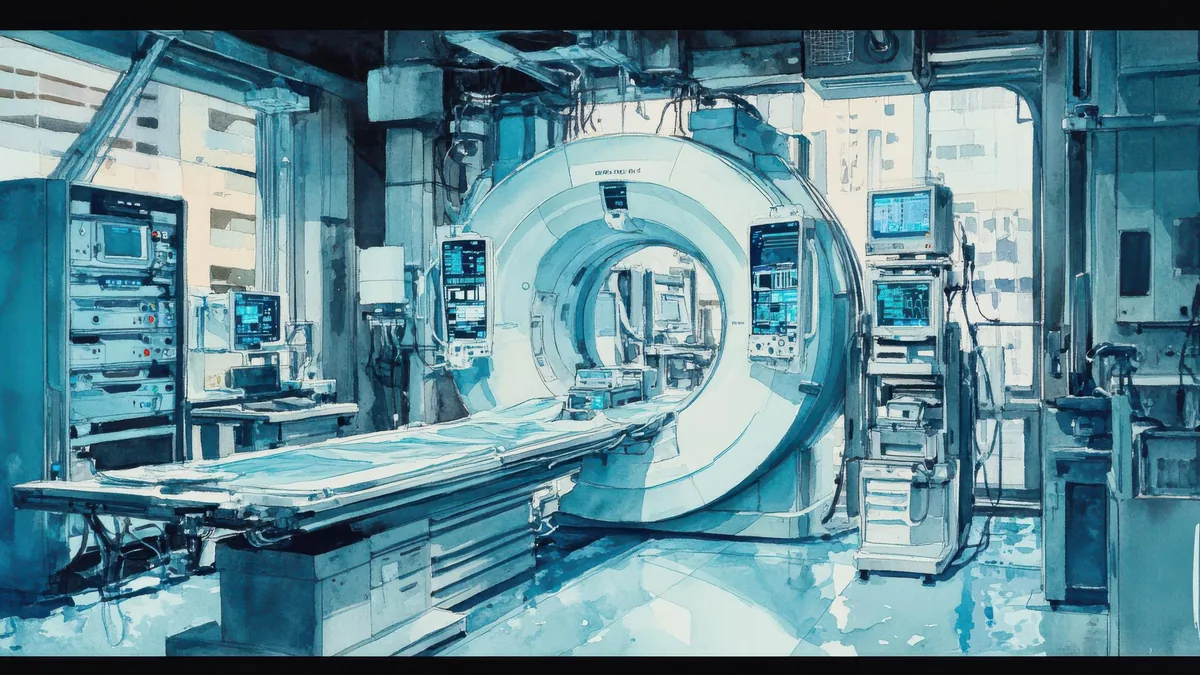
- Rising demand for X-ray contrast media: Iodine-based contrast agents are essential to diagnostic imaging procedures including CT scans and angiography. With aging populations across Europe, North America, Japan, and South Korea, the volume of diagnostic procedures performed annually continues to grow, directly lifting demand for iodinated contrast compounds. This segment is widely identified as the single largest application for iodine by revenue.
- Thyroid disorder prevalence and iodine deficiency: Iodine deficiency disorders (IDD) remain a public health concern in parts of South Asia, Sub-Saharan Africa, and Central Europe. Government-led salt iodization programs and supplementation initiatives sustain baseline demand for iodine in human nutrition applications, particularly in developing economies.
- Optical polarizing films for LCD displays: Iodine is a critical input in the manufacture of polarizing films used in liquid crystal displays (LCDs). Growth in consumer electronics, automotive displays, and industrial screens — particularly across China, South Korea, and Japan — has elevated this application as a meaningful demand driver in recent years.
- Agricultural biocides and disinfectants: Iodine compounds are used as broad-spectrum biocides in both agricultural and industrial settings. Rising food safety standards globally and expanding aquaculture operations are contributing to steady uptake in this segment.
- Animal feed applications: Iodine is added to animal feeds to prevent thyroid dysfunction in livestock and poultry. Growth in intensive animal farming practices across Asia Pacific and Latin America is supporting incremental volume growth in this end-use category.
- Fluorochemical and nylon production: Iodine serves as a catalyst or processing aid in the production of certain fluorinated compounds and nylon polymers, creating secondary industrial demand that tracks broader petrochemical and plastics sector trends.
Restraints & Challenges
Despite favorable demand dynamics, the iodine market is not without meaningful structural constraints. Producers, buyers, and policymakers alike must contend with a set of persistent challenges that influence price volatility, supply security, and long-term investment decisions.
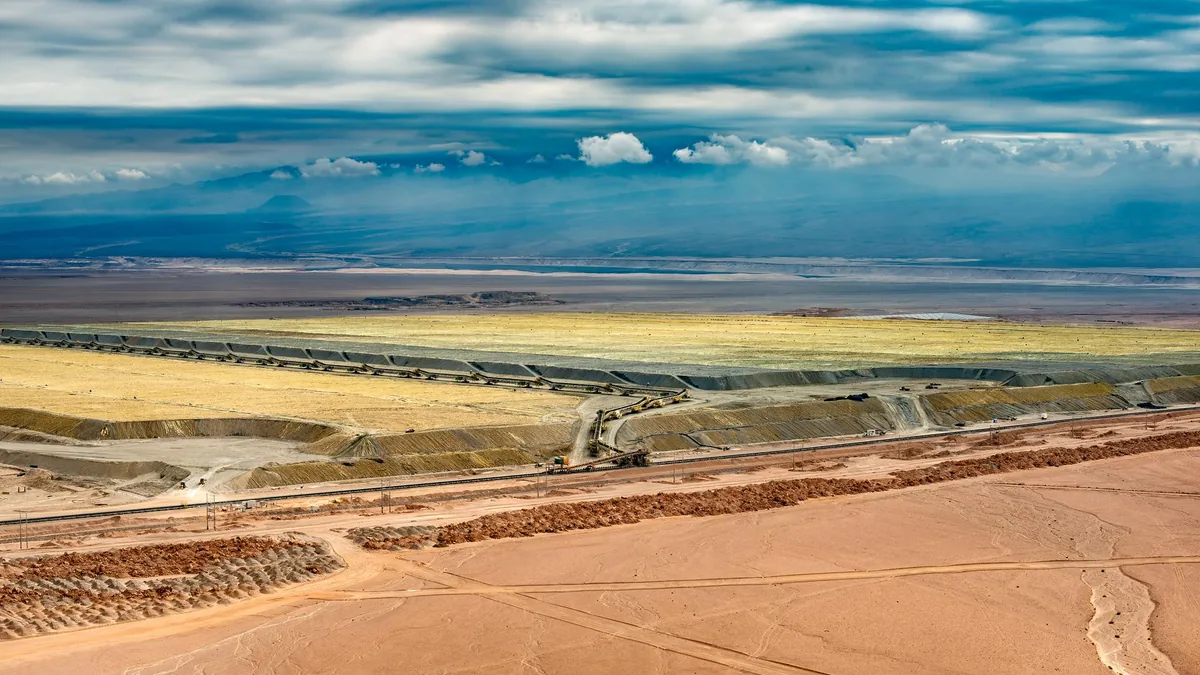
- Geographic supply concentration: Chile and Japan together account for the overwhelming majority of global iodine production. Chile extracts iodine from caliche ore deposits in the Atacama Desert, while Japan recovers it from underground brine. This concentration creates vulnerability to localized disruptions — whether from natural events, labor disputes, or regulatory shifts — that can rapidly affect global availability and pricing.
- Volatile pricing environment: Iodine prices have historically been subject to significant swings, driven by the interplay between concentrated supply and geographically dispersed demand. Downstream manufacturers in pharmaceuticals and electronics often struggle to hedge effectively against price movements, complicating multi-year procurement planning.
- Environmental and water management concerns: Brine extraction operations in Japan and parts of Chile involve substantial water usage and generate saline effluents. Increasingly stringent environmental regulations at both national and regional levels are raising operational costs for producers and, in some cases, limiting expansion at existing facilities.
- Substitution risk in select applications: In certain niche industrial applications, iodine faces competitive pressure from alternative catalysts or processing agents. While substitution is not widespread, it represents a latent risk in segments where cost pressures are acute.
- Recycling and recovery inefficiencies: Although iodine recycling from industrial waste streams and spent contrast media is technically feasible, the infrastructure for large-scale recovery remains underdeveloped in most markets. This limits the potential for circular supply models to buffer against primary supply disruptions.
Segmentation
The global iodine market is segmented across multiple dimensions, including source of extraction, chemical form, and end-user application. Understanding these segments is essential to assessing where growth is concentrated and which value pools are expanding most rapidly.
By Source / Type
- Caliche Ore (Chile): The dominant global source, particularly from the Atacama Desert. Caliche ore operations are large-scale, export-oriented, and highly mechanized. Chilean producers such as SQM and ACF supply a significant share of global iodine requirements from this source.
- Underground Brine (Japan, United States): Japan is the world's second-largest producer, recovering iodine from natural underground brine. The United States also has meaningful brine-based production capacity, primarily in Oklahoma.
- Seaweed: A traditional and historically significant source, particularly in China and parts of East Asia, though it accounts for a relatively small and declining share of global supply given the superior economics of brine and ore extraction at scale.
- Recycling: Iodine recovery from industrial and medical waste streams is a growing but still nascent category, primarily practiced in Japan and some European markets as part of circular economy initiatives.
By Form
- Organic Compounds: The largest form segment by revenue, driven by widespread use in pharmaceuticals (contrast agents, antiseptics), pesticides, and specialty chemicals. Research and Markets identifies organic compounds as the segment expected to maintain the largest share through the forecast period.
- Inorganic Salts and Complexes: Includes potassium iodide, sodium iodide, and related compounds used in nutrition, animal feed, and certain industrial processes.
- Elementals and Isotopes: Elemental iodine is used in a range of industrial and laboratory applications; radioactive isotopes (notably iodine-131) are used in nuclear medicine for thyroid treatment and diagnostic imaging.
By Application / End-User Industry
- X-ray Contrast Media: The highest-value application segment, driven by expanding diagnostic imaging volume in developed and emerging healthcare markets. Iodinated contrast agents are non-negotiable inputs in modern radiology.
- Biocides: Used across water treatment, agriculture, food processing, and veterinary settings. Growing regulatory emphasis on hygiene and pathogen control is supporting this segment.
- Animal Feed: A volume-significant segment particularly in Asia Pacific and Latin America, tied to the intensification of livestock and aquaculture production.
- Optical Polarizing Films: A technology-driven segment tied to LCD display manufacturing, with demand concentrated in East Asian electronics hubs.
- Fluorochemicals: Iodine serves as a process enabler in fluoropolymer chemistry, with niche but stable demand from specialty chemical producers.
- Nylon: Iodine acts as a catalyst in certain polyamide manufacturing processes, creating a secondary industrial demand stream.
- Human Nutrition: Includes iodized salt programs and dietary supplement applications, particularly relevant in markets with documented iodine deficiency concerns.
Regional Analysis
Regional dynamics in the iodine market are shaped by the geographic separation between production and consumption — a distinctive structural feature of this commodity. Major producing nations are concentrated in South America and East Asia, while significant consumption occurs across a much broader set of geographies, from Western Europe to Southeast Asia.
Asia Pacific
Asia Pacific is simultaneously the largest and fastest-growing regional market for iodine, according to Mordor Intelligence. Japan is not only a major producer but also a leading consumer, particularly for optical polarizing films and pharmaceutical applications. China's expanding healthcare infrastructure and growing LCD manufacturing sector are driving incremental demand. India represents an emerging growth pocket, driven by expanding diagnostic imaging capacity and government iodine supplementation programs. South Korea's electronics industry also contributes meaningful consumption through polarizing film production.
North America
The United States is the most significant market in North America, with IMARC Group estimating domestic market size at USD 266.1 million in 2025, rising to USD 353.3 million by 2034 at a 3.10% CAGR. The comparatively modest growth rate reflects a mature market where pharmaceutical and medical imaging demand is stable rather than accelerating sharply. The U.S. also maintains domestic brine-based iodine production capacity in Oklahoma, providing partial supply chain insulation. Canada and Mexico represent smaller but stable consumption markets, primarily in pharmaceuticals and agriculture.
Europe
Europe is a significant consumption market for iodine, led by Germany, France, the United Kingdom, and the Netherlands. The pharmaceutical and medical imaging sectors are the primary demand drivers, reflecting the region's advanced healthcare infrastructure and high per-capita diagnostic imaging rates. European producers and downstream manufacturers are also increasingly attentive to supply chain resilience following disruptions experienced in other raw material categories in recent years. Regulatory oversight under REACH and related frameworks affects both import standards and end-use conditions for certain iodine compounds.
Latin America
Latin America holds a unique dual role in the iodine market: Chile is the world's largest producing nation, yet regional consumption remains comparatively modest relative to production volumes. Brazil and Mexico are the leading consumption markets within the region, driven by expanding pharmaceutical manufacturing, agricultural biocide use, and animal feed applications. Argentina also contributes to regional demand through its livestock sector. Industry estimates suggest Latin America's consumption market will grow at a moderate pace, supported by healthcare investment and agricultural intensification trends in Brazil and Mexico.
Middle East & Africa
The Middle East and Africa region represents a developing market for iodine, with demand driven primarily by nutrition-related applications — iodized salt programs remain active in many Sub-Saharan African nations — and growing healthcare infrastructure investment in Gulf Cooperation Council (GCC) countries. Saudi Arabia and the UAE are seeing increasing consumption tied to expanding diagnostic imaging capacity and pharmaceutical imports. The region's overall market share remains limited but is expected to grow as healthcare access improves and institutional capacity expands.
Competitive Landscape
The global iodine market is characterized by moderate concentration at the production level, with a small number of large-scale producers controlling a substantial share of primary supply, while the downstream processing and distribution landscape is more fragmented. The following are among the most significant participants in the global iodine value chain:
- Sociedad Química y Minera de Chile (SQM): The world's leading iodine producer, operating large-scale caliche ore extraction in Chile's Atacama Desert and supplying a significant portion of global iodine requirements across multiple derivative forms.
- Atacama Minerals Chile (ACF Minera / Ercros Group): Another major Chilean producer with substantial caliche-based iodine extraction capacity, competing directly with SQM in global export markets.
- Algorta Norte S.A.: A Chilean iodine producer focused on the extraction and refining of iodine from caliche ore, with a growing presence in international specialty chemical supply chains.
- ISE Chemicals Corporation: A Japan-based producer recovering iodine from underground brine, serving domestic and export markets with a range of iodine derivatives including potassium iodide and organic iodine compounds.
- Cosayach (Compañía de Salitre y Yodo de Chile): One of Chile's established iodine and nitrate producers, with operations focused on the Tarapacá region and export-oriented supply strategies.
- Nippoh Chemicals Co., Ltd.: A Japanese specialty chemical company producing iodine derivatives including contrast media intermediates and industrial compounds, with a focus on high-purity applications.
- Iofina plc: A UK-listed company with iodine extraction operations in the United States (Oklahoma), recovering iodine from oilfield brine using its proprietary IOsorb technology — one of the few Western producers positioned outside South America and Japan.
Competitive dynamics in this market are heavily influenced by production cost structures, proximity to brine or ore deposits, and the ability to supply high-purity derivative compounds that command premium pricing in pharmaceutical and electronics applications. Consolidation at the Chilean production level has been an ongoing theme, while downstream participants differentiate on product quality, regulatory compliance, and supply reliability rather than on price alone.

Recent Developments
The iodine market has seen several noteworthy developments in recent years that are shaping competitive positioning, supply strategy, and end-market dynamics heading into the 2026–2032 forecast period.
- Expansion of Chilean production capacity: SQM and other Chilean producers have continued to invest in incremental capacity expansions at their Atacama operations, reflecting confidence in long-term demand growth. Chile's dominance in global supply is expected to persist, though it continues to draw scrutiny from buyers seeking supply diversification.
- Iofina's U.S. brine expansion: Iofina has progressively expanded its iodine recovery capacity from oilfield brine in Oklahoma, adding production modules and increasing output. The company represents a meaningful alternative supply source for North American buyers seeking domestic origin material.
- Growth in recycling initiatives: Japan has been at the forefront of developing iodine recycling infrastructure, particularly from spent X-ray contrast media waste. Several partnerships between healthcare institutions and chemical processors have been reported, aimed at establishing closed-loop recovery systems that reduce reliance on primary supply.
- Pharmaceutical sector investment in contrast agents: Major pharmaceutical companies including Bayer, GE Healthcare (now GE HealthCare Technologies), and Guerbet have continued to invest in next-generation iodinated contrast agent formulations, sustaining demand for high-purity iodine derivatives in this premium application segment.
- Regulatory scrutiny of contrast media safety: Regulatory agencies in the U.S. and EU have periodically reviewed the safety profiles of gadolinium-based contrast agents used in MRI, which has in some cases redirected procedural volumes toward iodine-based CT contrast media — a development broadly supportive of iodine demand in medical imaging.
- Price volatility episodes: Iodine spot prices experienced notable volatility in the 2021–2023 period, driven by supply disruptions and post-pandemic demand recovery. This volatility has prompted a number of large buyers to pursue longer-term supply agreements and dual-sourcing strategies, reshaping contract structures in the market.
Frequently Asked Questions
Q1: What is the current size of the global iodine market?
According to Persistence Market Research, the global iodine market was valued at approximately USD 3,966.1 million in 2025. In volume terms, Mordor Intelligence estimates the market at 47.70 kilotons as of 2026. Figures vary across research firms depending on scope and methodology, but multiple sources confirm the market is in a growth phase.
Q2: What is the projected growth rate for the iodine market through 2032?
Growth rate estimates range from approximately 4.2% to 7.5% CAGR depending on the research source and forecast window. Persistence Market Research projects a CAGR of 7.5% from 2025 to 2032, while Mordor Intelligence cites a 5.47% CAGR through 2031 in volume terms. The U.S. market is projected at a more moderate 3.10% CAGR through 2034 by IMARC Group.
Q3: Which countries produce the most iodine?
Chile is the world's largest iodine producer, extracting iodine from caliche ore deposits in the Atacama Desert. Japan is the second-largest producer, recovering iodine from underground brine. The United States also has notable production capacity in Oklahoma. These three countries account for the substantial majority of global primary iodine supply.
Q4: What are the largest end-use applications for iodine?
X-ray contrast media is the highest-value end-use segment, driven by growing diagnostic imaging volumes globally. Other significant applications include biocides, optical polarizing films for LCD displays, animal feed additives, fluorochemicals, nylon production, and human nutrition (primarily iodized salt programs). Asia Pacific's electronics manufacturing sector has made optical polarizing films an increasingly important demand category.
Q5: Which region dominates iodine consumption?
Asia Pacific is both the largest and fastest-growing regional market for iodine, according to Mordor Intelligence. Japan, China, South Korea, and India collectively drive significant demand across pharmaceutical, electronics, and agricultural applications. North America and Europe are also major consumption regions, primarily through pharmaceutical and medical imaging applications.
Related reports
Iodine Market Size, Share & Forecast 2026-2032
6.65 USD bn
Estimated market size in 2032
- 2026
- 4.20 USD bn
- Forecast period
- 2026–2032
Anhydrite Market Size, Share & Forecast 2026-2032
2.70 USD bn
Estimated market size in 2032
- 2027
- 2.19 USD bn
- Forecast period
- 2027–2032
Calcium Fluoride Market Size, Share & Forecast 2026-2032
3.18 USD bn
Estimated market size in 2032
- 2026
- 2.25 USD bn
- Forecast period
- 2026–2032