Rare earth elements: how much each country produces and why it matters
Rare earth elements production concentrates in a few countries. See how much China, the US, and others mine, refine, and export, and where they end up.
In this article
Rare earth elements are a set of 17 metallic elements used in magnets, batteries, and defense systems worldwide. China mines close to 270,000 metric tons a year, near 70% of global output, and refines more than 90% of the world's supply, according to Investing News Network and International Energy Agency data from 2025-2026.
The United States, Myanmar, and Australia split most of the remaining volume, each from a single dominant deposit or region. Where an element gets mined rarely matches where it gets turned into a finished magnet or oxide.
What Are Rare Earth Elements?
Rare earth elements are 17 chemically similar metals: the 15 lanthanides, plus scandium and yttrium. They occur scattered through ordinary rock rather than piled into rich veins, so mining companies process enormous volumes of ore to recover a small, usable concentrate.
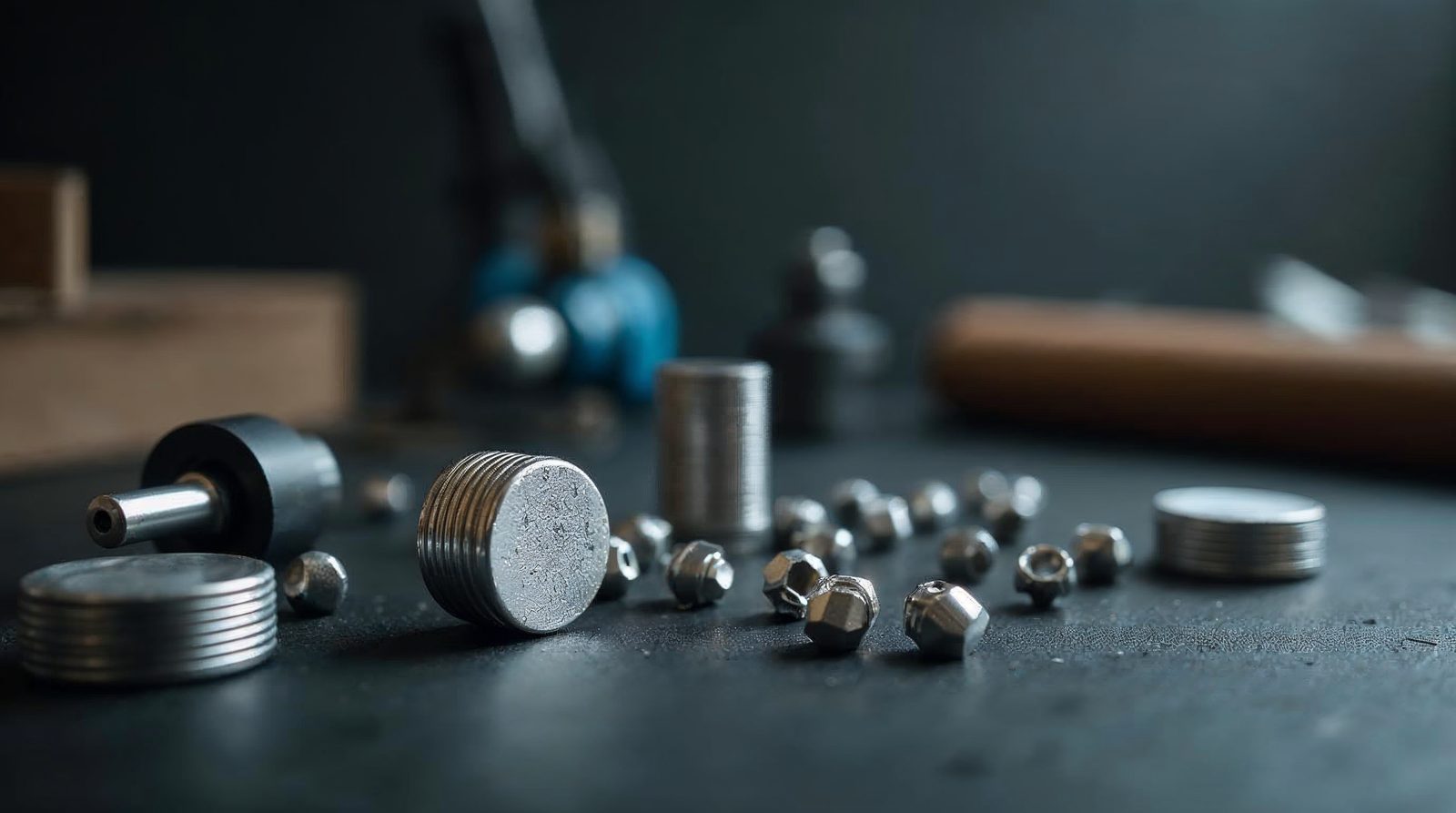
Geologists split the group into light and heavy rare earths. Light types, among them cerium and lanthanum, turn up in nearly every deposit on the planet. Heavy types, such as dysprosium and terbium, sit at the bottom of most ore bodies and drive most of the price swings in magnet manufacturing.
Abundance is not the problem. Cerium sits closer to copper in average crustal abundance than to gold. Finding a deposit concentrated enough, and clean enough, to justify a processing plant happens far less often.
How Are Rare Earth Elements Mined and Processed?
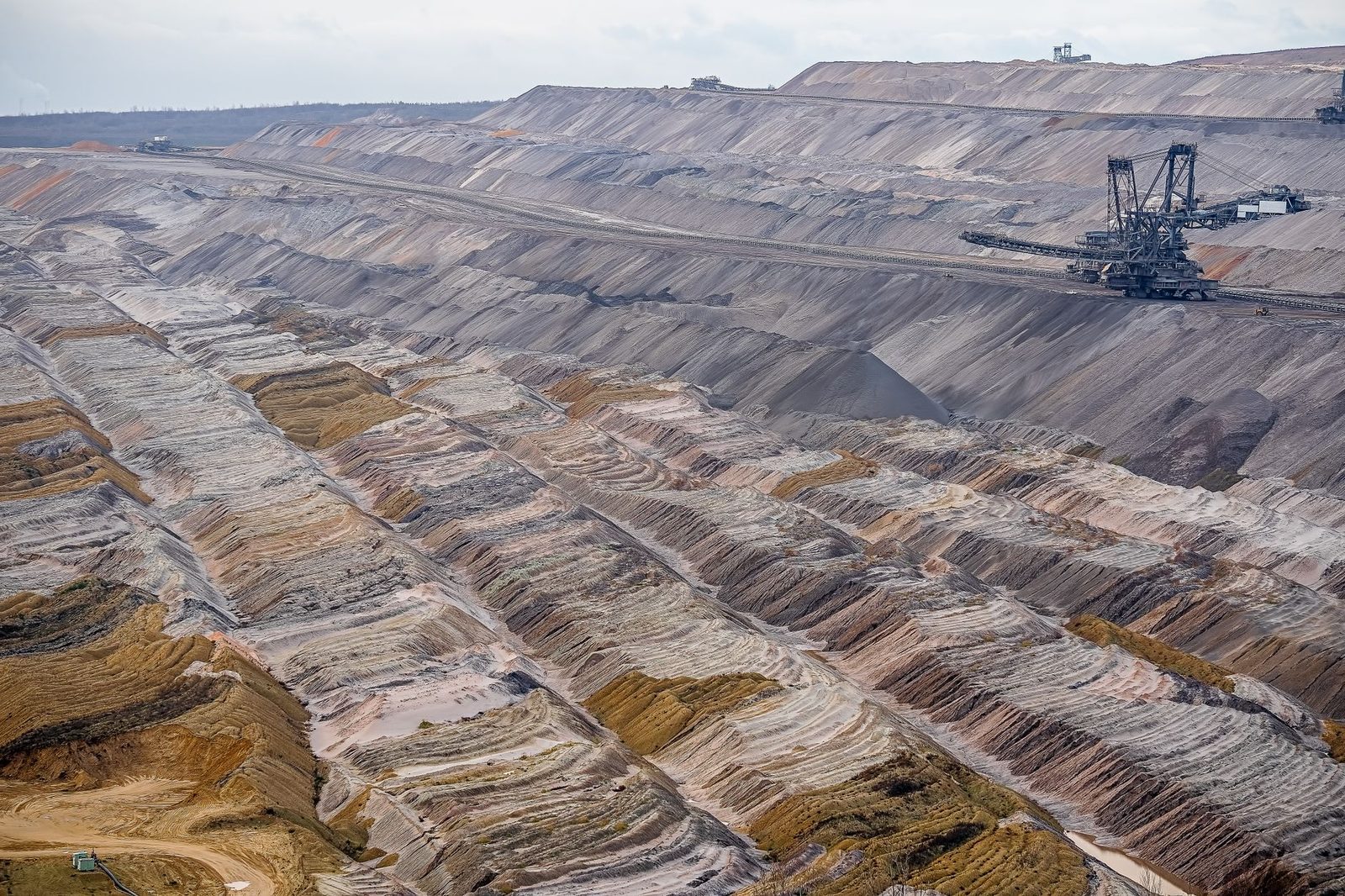
Mining crews extract ore containing all 17 elements bound together in the same rock. Processing plants then dissolve, filter, and pass the mixture through repeated chemical baths until each element separates out as an individual oxide. The stages run from extraction through beneficiation, chemical upgrading, separation, metal refining, and magnet alloying, according to the International Energy Agency.
Each stage needs its own specialized plant, and China built that full chain over three decades while other producers built little of it. A mining company outside China can dig up the ore and still ship it overseas for the separation step, because no refinery nearby can handle the chemistry.
Which Countries Lead Rare Earth Elements Production?
China produced about 270,000 metric tons of rare earths in 2025, near 70% of the global mine total, and holds reserves of 44 million metric tons, according to Investing News Network. The United States follows at roughly 45,000 metric tons a year, all from the Mountain Pass mine in California (the only site carrying that entire national supply).
| Country | Rare earth mine production (metric tons/year) | Main source or deposit |
|---|---|---|
| China | ~270,000 | Multiple deposits nationwide |
| United States | ~45,000 | Mountain Pass, California |
| Myanmar (Burma) | ~31,000 | Ships mostly to China |
| Australia | ~13,000 | Lynas Rare Earths |
China's refining lead runs deeper than its mining lead. The country handles more than 90% of global rare earth refining, and about 60% of magnet-grade rare earth mining specifically, and in 2024 it exported 58,000 tonnes of finished rare earth magnets, per an October 2025 commentary from the International Energy Agency. The gap between mining and refining explains why export limits from Beijing ripple through carmakers and defense contractors months before a new mine opens anywhere else.
The United States still imported about 80% of the rare earth elements it used in 2024, according to reporting from Georgia Tech in May 2025, even with Mountain Pass running at full output. One domestic mine cannot yet cover magnet-grade demand for electric vehicles, wind turbines, and fighter jets at the same time.
What Are Rare Earth Elements Used For?
Permanent magnets made from neodymium and dysprosium account for the largest slice of demand, going into electric vehicle motors, wind turbine generators, hard drives, and phone vibration motors. Catalysts made from cerium and lanthanum refine crude oil and clean exhaust in vehicle catalytic converters. The rest goes into polishing compounds, batteries, and defense hardware.
Defense and Industrial Uses
Military hardware depends on the same magnets: guided missiles, fighter jet control surfaces, night-vision goggles, and radar systems all use rare earth components. Manufacturing lines add rare earth compounds to glass and semiconductor polishing slurries, and hospitals rely on them for MRI contrast and imaging phosphors.
Electric vehicle battery packs increasingly pair rare earth magnet motors with battery chemistries covered in the nickel hydroxide market report. Consumer electronics packed with sensors, the same devices tracked in the IoT microcontroller market report, use small rare earth magnets to run vibration motors and speakers. Other industrial minerals mined in bulk, like the fluorite covered in the calcium fluoride market report, face similar refining bottlenecks outside China.
Why Does China Dominate Rare Earth Elements Production?
China built its lead through decades of state investment in separation plants, not richer ore. Extraction releases radioactive byproducts such as thorium, and treating that waste costs money that most countries avoided spending. China absorbed that cost early and locked in infrastructure other producers now have to build from nothing.
But export controls sharpen that advantage. Trade tensions and licensing rules coming out of Beijing have pushed the United States, Australia, and allied governments to fund new separation capacity, and upcoming defense procurement rules aim to cut reliance on Chinese-origin magnets. None of those projects replace 30 years of scale in a single budget cycle.
Why "Rare Earth Elements" Isn't a Single Commodity
"Rare earth elements" names a chemical family, not a single traded commodity. Neodymium, used in EV motors, and cerium, used in glass polishing, trade in different markets at different prices, and a shortage of one does not mean a shortage of the other. Treating the whole group as one commodity is the most common misreading of supply reports.
The term also says nothing about who refines the metal. A country can report large mine output, the way Myanmar does, and still send almost all of it to Chinese plants for separation. Production tonnage and finished-magnet capacity are two different numbers, and headlines that quote only one leave out the other.
Frequently Asked Questions About Rare Earth Elements
Which country produces the most rare earth elements?
China produces close to 270,000 metric tons of rare earths a year, near 70% of the global mine total, and holds the largest reserves at 44 million metric tons, according to Investing News Network data from June 2026. Reserves and current output do not always match: Australia and the United States hold sizable deposits too, but neither has built the refining capacity to turn that rock into finished oxides at Chinese volume. A country topping the reserve list is not the same as a country topping the export list, and the gap between the two explains most of the price volatility buyers see.
Does the United States have its own rare earth mine?
Yes. Mountain Pass, in California, is the only active rare earth mine in the country and produces roughly 45,000 metric tons a year, historically shipped overseas for the separation step before finishing that material on US soil became a stated policy priority.
What is the most useful rare earth element?
Neodymium sees the widest use because it anchors the permanent magnets inside electric motors, wind turbines, and hard drives. Dysprosium and terbium matter just as much in smaller doses: adding them to a neodymium magnet keeps it from losing strength at high temperatures, which is why magnet buyers watch heavy rare earth supply as closely as neodymium supply itself.
Can rare earth elements be replaced in magnets and electronics?
Not fully, not yet. Engineers have built ferrite magnets and rare-earth-free motor designs for some electric vehicles, but those alternatives lose power density and need a bigger, heavier motor to match the same output. Recycling covers a small share of demand today, well behind the 58,000 tonnes of finished rare earth magnets China exported in 2024.