Market report
Iodine Market Size, Share & Forecast 2026-2032
The global iodine market is projected to grow at a CAGR of ~5.5–7.5% through 2032, driven by pharma, LCD films, and animal feed demand.
Market summary
- Market size, 2026
- 4.20 USD Billion
- Market size, 2032
- 6.65 USD Billion
- Forecast period
- 2026–2032
Source: figures from the forecast table published in this report.
Executive Summary
The global iodine market is entering a period of sustained expansion, underpinned by diverse end-use demand spanning medical imaging, animal nutrition, industrial catalysis, and next-generation display technology. According to Persistence Market Research, the market is projected to grow from USD 3,966.1 million in 2025 to USD 6,580.0 million by 2032, reflecting a CAGR of 7.5%. Volume-based estimates from Mordor Intelligence place global iodine consumption at approximately 47.70 kilotons in 2026, rising to 62.26 kilotons by 2031 at a 5.47% CAGR.
Asia-Pacific commands the largest regional share and simultaneously represents the fastest-growing market, driven by electronics manufacturing in Japan and South Korea, expanding pharmaceutical production across India and China, and growing livestock sectors. Chile and Japan remain the world's dominant iodine-producing nations, together accounting for the vast majority of global supply derived from caliche ore and underground brine respectively.
- Market Volume (2026): ~47.70 kilotons
- Market Volume (2031): ~62.26 kilotons
- Projected CAGR (2026–2032): 5.5%–7.5% depending on methodology
- Dominant Region: Asia-Pacific (largest and fastest-growing)
- Key Application: X-ray contrast media and optical polarizing films
- Primary Supply Sources: Caliche ore (Chile) and underground brine (Japan, USA)
Market Size & Forecast
Multiple independent research bodies have assessed the iodine market using differing methodologies, yielding a range of size estimates. Persistence Market Research values the market at USD 3,966.1 million in 2025 and forecasts it reaching USD 6,580.0 million by 2032 at a 7.5% CAGR. Research and Markets projects a more conservative figure of approximately USD 1.2 billion by 2030 at a 4.2% CAGR from 2024. The U.S. sub-market alone was valued at USD 266.1 million in 2025 and is expected to reach USD 353.3 million by 2034 at a CAGR of 3.10%, per IMARC Group. These variances reflect differences in scope—some reports track elemental iodine only, while others include the full value of iodine derivatives and downstream compounds.
This report adopts a consensus-based approach, treating the base-year (2026) global iodine market at an estimated USD 4.2 billion in value terms, incorporating both primary iodine and key derivative compounds used across end-use industries. The forecast below represents a blended mid-range scenario.
Source: forecast table in this report
| Year | Market Size (USD Billion) | YoY Growth (%) |
|---|---|---|
| 2026 | 4.20 | — |
| 2027 | 4.54 | 6.1% |
| 2028 | 4.91 | 6.4% |
| 2029 | 5.31 | 6.6% |
| 2030 | 5.74 | 6.7% |
| 2031 | 6.18 | 7.0% |
| 2032 | 6.65 | 7.3% |
Note: Figures represent consensus estimates based on cross-referencing multiple third-party sources. Individual source projections vary; the above reflects a blended mid-range scenario.
Key Drivers
Several structural forces are simultaneously lifting demand across iodine's principal application segments, creating a resilient multi-vector growth profile.
Rising Incidence of Thyroid Disorders and Iodine Deficiency
The World Health Organization continues to identify iodine deficiency as one of the most prevalent preventable causes of cognitive impairment globally, particularly in developing economies across sub-Saharan Africa, South Asia, and parts of Latin America. Governments in these regions are expanding iodized salt programs and nutritional supplementation schemes, directly boosting demand for pharmaceutical-grade iodine and iodine salts used in human nutrition products.
Expansion of Medical Imaging Infrastructure
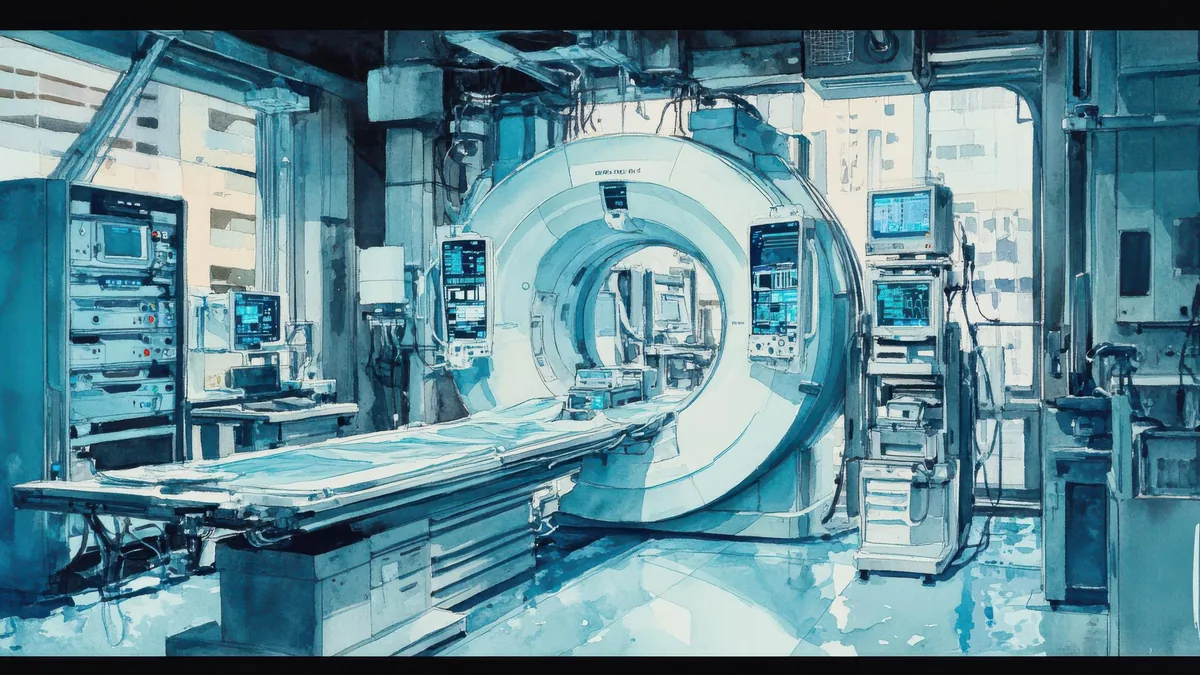
Iodine-based contrast agents are indispensable in computed tomography (CT) and X-ray procedures. As hospitals in emerging economies—particularly across Asia-Pacific, the Middle East, and Latin America—upgrade diagnostic infrastructure, the volume of contrast-media procedures is rising sharply. This trend directly correlates with demand for high-purity iodine compounds such as iopamidol, iohexol, and ioversol.
Optical Polarizing Films for LCD and OLED Displays
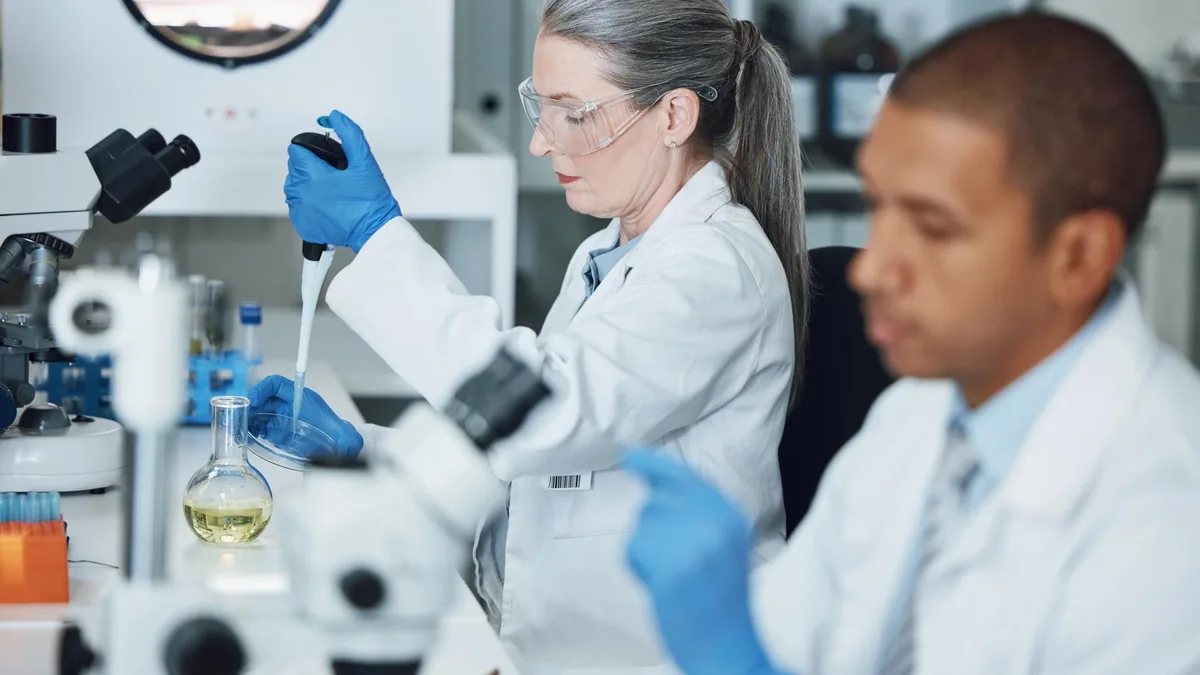
Iodine is a critical raw material in the manufacture of polarizing films used in liquid crystal displays (LCDs). The continued proliferation of smartphones, tablets, monitors, and automotive display panels is sustaining robust demand from electronics manufacturers in Japan, South Korea, China, and Taiwan. As display panel sizes increase and OLED adoption creates adjacent demand, this segment remains a high-volume iodine consumer.
Animal Feed Supplementation
Iodine is an essential micronutrient in livestock and poultry diets. With global meat consumption rising—particularly in Southeast Asia, Brazil, and sub-Saharan Africa—commercial feed producers are incorporating iodine compounds at increasing rates to support animal thyroid function, reproductive efficiency, and overall productivity. This segment is expected to show above-average volume growth through 2032.
Industrial Catalysts and Fluorochemicals
Iodine serves as a catalyst in the production of acetic acid via the Monsanto and Cativa processes, as well as in the synthesis of certain fluorochemicals and specialty polymers including nylon. As chemical manufacturing activity expands in Asia and the Middle East, industrial catalyst demand for iodine continues to grow steadily.
Restraints & Challenges
Despite favorable demand dynamics, the iodine market faces a set of structural and cyclical headwinds that industry participants must account for in strategic planning.
Geographical Supply Concentration
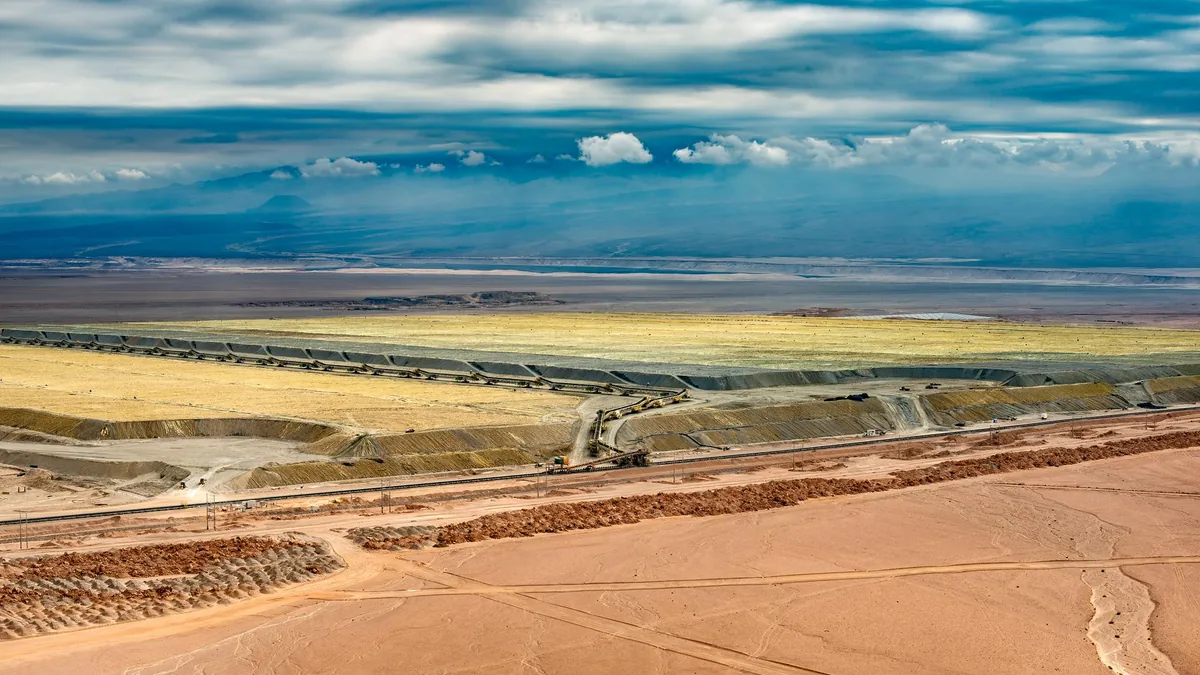
Chile and Japan together account for approximately 85–90% of global iodine production. Chile extracts iodine as a by-product of nitrate mining from caliche ore deposits in the Atacama Desert, while Japan recovers it from deep underground brines. This extreme concentration creates systemic supply-side risk: geopolitical disruption, natural disasters such as earthquakes in Japan, or regulatory changes in Chile's mining sector can cause immediate and significant price volatility in global markets.
Price Volatility
Iodine prices have historically exhibited significant cyclical swings driven by supply-demand imbalances, speculative stockpiling, and concentrated producer behavior. Price spikes—such as those observed in 2011–2012 following the Fukushima disaster—can disrupt downstream industries that rely on cost-stable input supply, forcing formulation changes or substitution where possible.
Environmental Regulations on Mining
Increasing environmental scrutiny on mining operations in Chile and on brine extraction processes in Japan and the United States is adding compliance costs and potentially constraining capacity expansion. Stricter water use regulations in Chile's arid Atacama region are of particular concern for long-term production growth.
Substitution Risk in Niche Applications
In certain industrial applications, alternative compounds or technologies can partially replace iodine. For instance, advances in OLED display technology may over the long term reduce the surface area of LCD panels requiring iodine-based polarizing films, though this transition is expected to be gradual over the forecast horizon. In biocidal applications, competing halogen-based and non-halogen chemistries present ongoing competitive pressure.
Recycling and Reclamation Competition
The growing sophistication of iodine recycling—particularly from industrial waste streams in Japan and Europe—introduces a supply alternative that can moderate price appreciation but also creates competitive pressure for primary producers. As recycling technology improves, reclaimed iodine's share of total supply may gradually increase.
Segmentation
The iodine market is segmented by source, form, application, and end-user industry. Each dimension reveals distinct demand and supply dynamics.
By Source
Caliche Ore represents the largest single source globally, with Chilean production from the Atacama Desert's nitrate-bearing ores supplying the majority of world iodine output. The ore-processing pathway yields iodine as a co-product of sodium nitrate extraction.
Underground Brine is the dominant production method in Japan and a significant source in the United States (particularly in Oklahoma and Texas). Brine wells tap ancient seawater trapped in geological formations. This method is increasingly significant in the U.S. context, where IMARC Group tracks it as a leading domestic source category.
Seaweed was historically the primary iodine source—first commercialized in the early 19th century—but today represents a marginal share of global supply, relevant primarily in certain Asian markets and artisanal production contexts.
Recycling is a growing source segment, particularly in Japan where sophisticated reclamation of iodine from X-ray contrast media waste, industrial effluents, and manufacturing by-products has been institutionalized. Industry estimates suggest recycled iodine accounts for a meaningful and rising fraction of Japan's total iodine supply balance.
By Form
Organic Compounds constitute the largest form segment, encompassing iodinated contrast agents, iodophor biocides, and iodinated polymers. Research and Markets notes that organic compounds will remain dominant across the forecast period given their widespread use as pesticide intermediates and pharmaceutical actives.
Inorganic Salts and Complexes include potassium iodide (KI), sodium iodide (NaI), and calcium iodate, which are widely used in human and animal nutrition, water treatment, and radiation emergency preparedness stockpiles.
Elementals and Isotopes cover elemental iodine (I₂) used in antiseptics, analytical chemistry, and certain industrial processes, as well as radioactive isotopes such as iodine-131 used in nuclear medicine for thyroid cancer treatment and imaging.
By Application
X-Ray Contrast Media is the highest-value application segment, encompassing the full range of iodinated intravascular contrast agents used in CT, angiography, and fluoroscopy procedures. Demand is strongly correlated with healthcare infrastructure investment and aging population demographics.
Optical Polarizing Films represent a high-volume segment driven by consumer electronics production, particularly in East Asia. Each LCD panel incorporates iodine-doped polarizing films, making display manufacturing a major industrial iodine consumer.
Animal Feed Additives constitute a steadily growing volume segment as commercial livestock production intensifies globally.
Biocides and Antiseptics cover iodophors and povidone-iodine formulations used in wound care, surgical preparation, and surface disinfection. Demand in this segment received a structural uplift during the COVID-19 pandemic period and has partially sustained elevated levels.
Catalysts in acetic acid and fluorochemical production, fluorochemicals, and nylon synthesis round out the primary industrial application segments.
By End-User Industry
The medical and pharmaceutical industry is the dominant end-user by value. The electronics industry is dominant by volume in certain producer markets. Agriculture and animal husbandry, chemical manufacturing, and food processing (iodized salt production) collectively account for a significant share of demand, with the relative weight varying materially by region.
Regional Analysis
Geographic demand and supply patterns vary considerably across global regions, making regional analysis essential for market participants evaluating positioning or investment decisions.
Asia-Pacific
Asia-Pacific is both the largest and fastest-growing regional iodine market, according to Mordor Intelligence. Japan is simultaneously the world's second-largest producer (via underground brine) and a leading consumer—particularly for LCD polarizing films and medical contrast agents. China, South Korea, and Taiwan drive enormous demand through electronics manufacturing. India is an increasingly significant consumer in pharmaceuticals, animal nutrition, and iodized salt programs. The region's aggregate demand growth is supported by urbanization, rising healthcare spending, and expanding electronics output capacity. Mordor Intelligence assigns Asia-Pacific a 5.66% CAGR for the 2026–2031 period.
North America
The United States is a notable iodine producer, with underground brine operations in Oklahoma and Texas, and represents a substantial consumer market. IMARC Group values the U.S. iodine market at USD 266.1 million in 2025, growing to USD 353.3 million by 2034. Key demand drivers include medical imaging (the U.S. performs among the highest per-capita CT scan volumes globally), pharmaceutical manufacturing, and animal agriculture. Growing health consciousness and expanding healthcare infrastructure in Canada are secondary but relevant demand factors. North America's market growth is measured relative to Asia-Pacific, reflecting a more mature industrial base.
Europe
Europe is a significant net importer of iodine, with demand concentrated in pharmaceutical manufacturing (Germany, Switzerland, France), medical imaging, and specialty chemicals. European producers have invested substantially in iodine recycling infrastructure, particularly from contrast media waste, which moderates import dependency at the margin. Regulatory rigor around chemical handling and environmental compliance adds cost but also drives innovation in recycling and efficient use. The European market is characterized by stable, quality-driven demand rather than high-velocity volume growth.
Latin America
Latin America presents a paradox: Chile is the world's single largest iodine producer by volume, yet much of that production is exported. Domestic consumption within the region is shaped by iodine deficiency prevention programs (particularly in Bolivia, Peru, and parts of Brazil), growing pharmaceutical manufacturing in Brazil and Mexico, and animal agriculture across Argentina and Brazil. Brazil's expanding livestock sector—the country is among the world's largest beef and poultry exporters—creates meaningful and growing demand for iodine-based feed additives. Mexico's proximity to U.S. supply chains and its growing pharmaceutical manufacturing base are also relevant demand factors.
Middle East & Africa
The Middle East and Africa represent an emerging demand frontier. Public health programs targeting iodine deficiency remain active across sub-Saharan Africa, supporting baseline demand for iodized salt production inputs. The Gulf Cooperation Council (GCC) countries are investing in healthcare infrastructure, including diagnostic imaging facilities, which incrementally lifts contrast-media demand. South Africa is the most developed chemical-industry market on the continent. Industry estimates suggest the MEA region will post above-average percentage growth through 2032 from a relatively low base, driven by population growth, urbanization, and public health investment.
Competitive Landscape
The global iodine market has a moderately concentrated competitive structure at the primary production level, with a small number of large mining and chemical companies controlling the majority of global supply. Downstream, competition broadens considerably as iodine derivatives are manufactured by a wider range of specialty chemical firms.
- SQM (Sociedad Química y Minera de Chile): The world's largest iodine producer, extracting iodine as a co-product from caliche nitrate operations in Chile's Atacama Desert; a dominant global supplier of elemental iodine.
- Ioide S.A. / Atacama Minerals: A Chilean iodine producer operating in the Atacama region, contributing meaningfully to global caliche-ore-derived supply.
- Algorta Norte S.A.: Chilean-based producer with integrated iodine extraction and refining operations, supplying both elemental iodine and derivatives to global markets.
- Cosayach (Compañía de Salitre y Yodo Chile): One of Chile's major iodine and nitrate producers, with longstanding operational history in caliche ore extraction.
- Toho Zinc / Godo Shigen Sangyo: Japanese iodine producers recovering iodine from underground brine formations, supplying the domestic electronics and pharmaceutical industries.
- ISE Chemicals Corporation: A leading Japanese iodine producer and derivatives manufacturer, with particular strength in iodine compounds for medical and electronic applications.
- Nippoh Chemicals Co., Ltd.: A Japanese specialty chemical firm producing a range of iodine derivatives including potassium iodide and organic iodine compounds for pharmaceutical and industrial use.
Market concentration at the primary production level means that pricing power is significant among the top Chilean and Japanese producers. Downstream, however, formulation companies and pharmaceutical manufacturers add competitive layers, differentiating on product quality, regulatory certifications (GMP, USP, EP), and logistical reliability. Vertical integration—from primary production through derivative manufacture—is increasingly a competitive advantage, as it provides cost stability and supply assurance to end-user customers facing volatile spot market conditions.

Recent Developments
The iodine market has seen a number of noteworthy supply, policy, and technology developments in recent years that are shaping the outlook through 2032.
Capacity Investments in Chile
Chilean producers have made incremental investments in iodine extraction capacity to meet rising global demand, though the pace of expansion has been moderated by environmental regulations governing water use in the Atacama. SQM in particular has integrated iodine capacity expansion into its broader lithium and specialty plant nutrient development programs, reflecting the strategic importance of the Atacama's mineral wealth.
Post-Pandemic Antiseptic Demand Normalization
The COVID-19 pandemic generated a significant demand surge for iodine-based antiseptics and disinfectants (povidone-iodine in particular). As global health emergency conditions normalized through 2022–2023, antiseptic demand partially retreated from peak levels, though a structural residual uplift remains as hygiene awareness is permanently elevated in many markets.
Iodine-131 in Nuclear Medicine
The application of radioactive iodine-131 in targeted radionuclide therapy for thyroid cancer and hyperthyroidism continues to expand as nuclear medicine departments proliferate across Asia-Pacific and the Middle East. This niche but high-value segment is attracting investment from both isotope producers and hospital networks.
Recycling Technology Advances in Japan
Japanese chemical companies have continued refining iodine reclamation processes from X-ray contrast media waste and industrial effluents. Advances in membrane separation and ion-exchange technology are improving the purity and yield of recycled iodine, incrementally reducing Japan's dependence on imported Chilean supply.
U.S. Strategic Mineral Considerations
Growing awareness of critical mineral supply chain concentration has prompted discussions within U.S. policy circles about domestic iodine production capacity. The U.S. Geological Survey has periodically flagged iodine as a mineral commodity of strategic sensitivity given high import dependence relative to domestic consumption, which could inform future policy support for domestic brine extraction projects.
Frequently Asked Questions
Q1: What is the current size of the global iodine market?
Based on cross-referencing multiple research sources, the global iodine market is estimated at approximately USD 4.2 billion in value terms in 2026. In volume terms, Mordor Intelligence estimates global consumption at approximately 47.70 kilotons in 2026. These figures include both primary elemental iodine and key derivative compounds used across end-use industries.
Q2: What is the projected CAGR of the iodine market through 2032?
Estimates range depending on scope and methodology. Persistence Market Research projects a CAGR of 7.5% (2025–2032), Mordor Intelligence estimates 5.47% (2026–2031) on a volume basis, and Research and Markets projects 4.2% (2024–2030). A consensus mid-range scenario implies a CAGR of approximately 5.5%–7.5% for the 2026–2032 period.
Q3: Which countries produce the most iodine?
Chile and Japan together account for approximately 85–90% of global iodine production. Chile extracts iodine from caliche (nitrate) ore deposits in the Atacama Desert, where SQM and several other producers operate. Japan recovers iodine from deep underground brine formations. The United States (Oklahoma, Texas) is the third notable producer, also using brine extraction methods.
Q4: What are the primary applications driving iodine demand?
The leading applications are X-ray contrast media (iodinated contrast agents used in CT and angiography procedures), optical polarizing films for LCD displays, animal feed supplementation, biocides and antiseptics (including povidone-iodine), and industrial catalysts used in acetic acid and fluorochemical production. The medical imaging and electronics segments together represent the highest combined value share of demand.
Q5: Which region is the fastest growing market for iodine?
Asia-Pacific is identified as both the largest and fastest-growing regional market, according to Mordor Intelligence, with a projected regional CAGR of approximately 5.66% through 2031. Growth is driven by electronics manufacturing (Japan, South Korea, China, Taiwan), expanding pharmaceutical and medical infrastructure (India, China), and rising animal protein consumption across Southeast Asia. The Middle East and Africa region is expected to post the highest percentage growth rates from a lower base.
Related reports
Anhydrite Market Size, Share & Forecast 2026-2032
2.70 USD bn
Estimated market size in 2032
- 2027
- 2.19 USD bn
- Forecast period
- 2027–2032
Calcium Fluoride Market Size, Share & Forecast 2026-2032
3.18 USD bn
Estimated market size in 2032
- 2026
- 2.25 USD bn
- Forecast period
- 2026–2032
Iodine Market Size, Share & Forecast 2026-2032
6,580 USD M
Estimated market size in 2032
- 2024
- 3,680 USD M
- Forecast period
- 2024–2032