Market report
Rubber Processing Chemicals Market Size, Share & Forecast 2026-2032
The rubber processing chemicals market is projected to grow steadily through 2032, driven by automotive demand, tire production, and green additive innovation.
Market summary
- Market size, 2026
- 6.00 USD Billion
- Market size, 2032
- 7.78 USD Billion
- Forecast period
- 2026–2032
Source: figures from the forecast table published in this report.

Executive Summary
The global rubber processing chemicals market stood at approximately USD 5.7 billion in 2025, according to industry estimates, and is expected to register a compound annual growth rate (CAGR) of roughly 4.0%–4.4% between 2026 and 2032. This steady expansion reflects sustained demand from the automotive sector, ongoing infrastructure investment across emerging economies, and rising adoption of high-performance rubber compounds in medical and industrial applications.
Rubber processing chemicals — encompassing accelerators, antidegradants, flame retardants, processing aids, and curing agents — are essential additives that determine the mechanical integrity, thermal stability, and service life of finished rubber goods. Tires remain the dominant application, accounting for the majority of chemical consumption globally, while non-tire segments such as industrial hoses, belts, seals, and medical devices are gaining relative share.
Key highlights from this report:
- Market value estimated at approximately USD 6.0 billion in 2026, projected to approach USD 7.7–8.0 billion by 2032.
- Asia Pacific dominates with more than 50% of global consumption, led by China, India, Japan, and South Korea.
- Antidegradants and accelerators collectively represent the two largest product segments by volume and value.
- Sustainability-driven reformulation is accelerating R&D investment across major chemical producers.
- India's sub-market is forecast to grow at a CAGR of approximately 3.96% through 2034, underpinned by domestic automotive and footwear manufacturing.
Market Size & Forecast
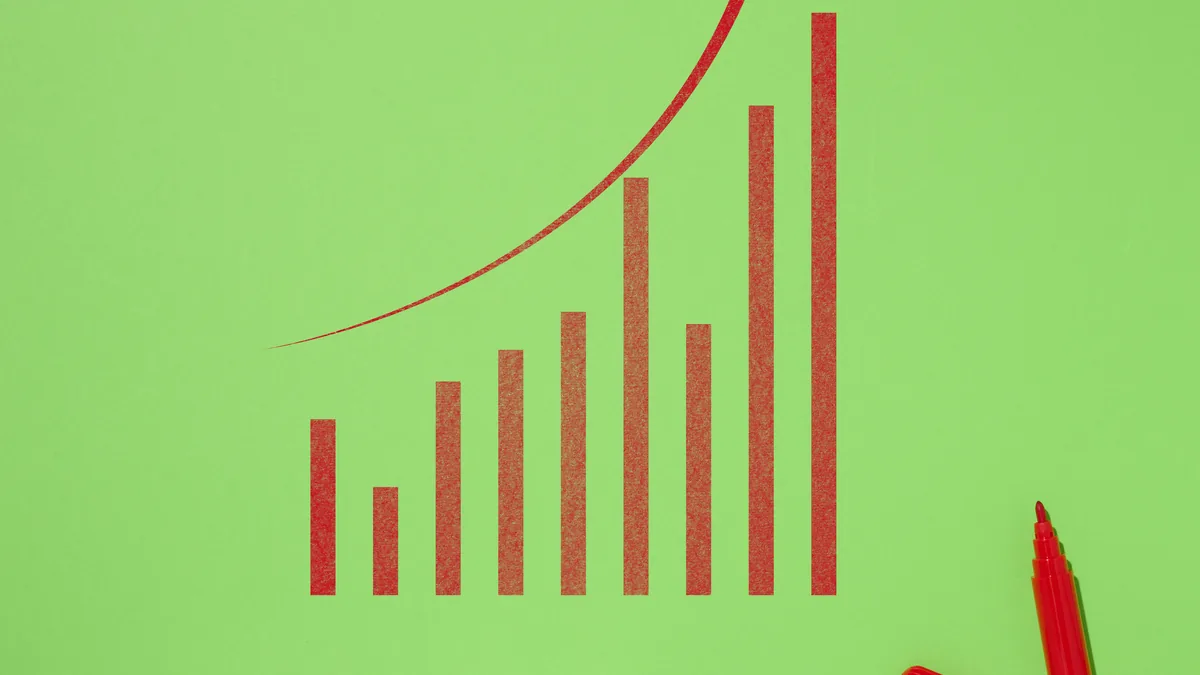
Based on publicly available industry data and cross-referenced analyst estimates, the rubber processing chemicals market is modeled to grow from roughly USD 6.0 billion in 2026 to approximately USD 7.8 billion by 2032. The trajectory is underpinned by rising vehicle production volumes in Asia Pacific, increased infrastructure spending in the Middle East and Africa, and gradual product premiumization in North America and Europe toward low-toxicity, bio-based formulations.
The table below presents the year-by-year market size forecast for the global rubber processing chemicals market from 2026 to 2032:
Source: forecast table in this report
| Year | Estimated Market Size (USD Billion) | YoY Growth (%) |
|---|---|---|
| 2026 | 6.00 | – |
| 2027 | 6.25 | 4.2% |
| 2028 | 6.51 | 4.2% |
| 2029 | 6.78 | 4.1% |
| 2030 | 7.07 | 4.3% |
| 2031 | 7.38 | 4.4% |
| 2032 | 7.78 | 5.4% |
Note: Figures represent industry-level estimates synthesized from multiple published sources including IMARC Group and MarketsandMarkets data points. The rubber additives segment (a closely related category) was valued at USD 7.8 billion in 2021 by MarketsandMarkets, providing a broader benchmark for the chemical additives ecosystem.

Key Drivers
Expanding Automotive Production and Tire Demand: The automotive industry is the single largest end-use sector for rubber processing chemicals. Rising vehicle production in China, India, Brazil, and Southeast Asia translates directly into higher tire volumes, which in turn drive consumption of accelerators, antioxidants, and vulcanization agents. The global push toward electric vehicles (EVs) is also creating demand for specialized rubber compounds capable of withstanding higher torque loads and thermal profiles in drivetrains and battery enclosures.
Infrastructure and Construction Activity: Expansion of road, rail, and urban infrastructure across emerging markets requires large volumes of industrial rubber products — including conveyor belts, seals, vibration dampeners, and waterproofing membranes — all of which rely on processing chemicals to achieve required performance specifications. Government-backed infrastructure programs in India, the Gulf Cooperation Council (GCC) region, and sub-Saharan Africa are sustaining this demand channel.
Technological Innovation in Rubber Formulations: Ongoing research into low-emission, high-efficiency processing chemicals is unlocking performance gains that were previously unattainable with conventional sulfur-based systems. Advances in silica-coupling agent chemistry, for instance, are enabling lower rolling-resistance tires that comply with increasingly stringent fuel economy regulations in the European Union and the United States.
Sustainability and Green Chemistry Mandates: Regulatory pressure from REACH (EU), EPA standards (US), and equivalent frameworks across Asia is pushing producers to develop bio-based antioxidants, solvent-free processing oils, and non-nitrosamine-generating accelerators. Companies that successfully commercialize compliant alternatives stand to capture premium pricing and preferred-supplier status with Tier-1 automotive OEMs and major tire manufacturers.
Medical and Healthcare Rubber Expansion: Post-pandemic investments in healthcare infrastructure have sustained elevated demand for medical-grade rubber products including gloves, tubing, and diaphragms. This segment requires ultra-pure processing chemicals with minimal extractables, creating a niche but fast-growing revenue stream for specialty chemical producers.
Restraints & Challenges
Raw Material Price Volatility: Many rubber processing chemicals are derived from petrochemical feedstocks, including benzene, aniline, and various petroleum-based process oils. Price swings in crude oil and natural gas markets directly affect production economics and can compress margins for chemical manufacturers that operate on long-term supply contracts with fixed pricing. The 2021–2023 period illustrated the severity of this exposure when feedstock inflation significantly eroded profitability across the specialty chemicals sector.
Regulatory Scrutiny of Specific Chemical Classes: Certain legacy accelerators — notably thiurams and dithiocarbamates — are under heightened regulatory scrutiny in the EU and North America due to concerns over occupational exposure and N-nitrosamine formation. Reformulation cycles are costly and time-intensive, and the transition period creates compliance uncertainty for both producers and downstream rubber manufacturers.
Competition from Synthetic and Natural Rubber Substitutes: The gradual adoption of thermoplastic elastomers (TPEs) and thermoplastic vulcanizates (TPVs) in certain automotive and consumer goods applications reduces the total addressable market for conventional rubber processing chemicals in those segments. While this substitution is occurring slowly, it represents a structural headwind over the medium to long term.
Supply Chain Concentration in China: A significant proportion of global rubber chemicals — particularly accelerators — is manufactured in China. Any disruption to Chinese production capacity, whether from environmental enforcement actions, energy rationing, or geopolitical trade friction, can create supply shortages and price spikes that ripple through global rubber goods supply chains. This concentration risk has prompted several Western chemical companies to evaluate nearshoring or dual-sourcing strategies.
Slow Adoption of Sustainable Alternatives: Although demand signals for green chemistry are strong, the commercial-scale production economics of bio-based and non-toxic alternatives remain challenging. Higher input costs, longer qualification timelines, and conservative procurement practices among large tire manufacturers have slowed the pace of transition, limiting near-term revenue uplift for producers investing in sustainable product lines.
Segmentation
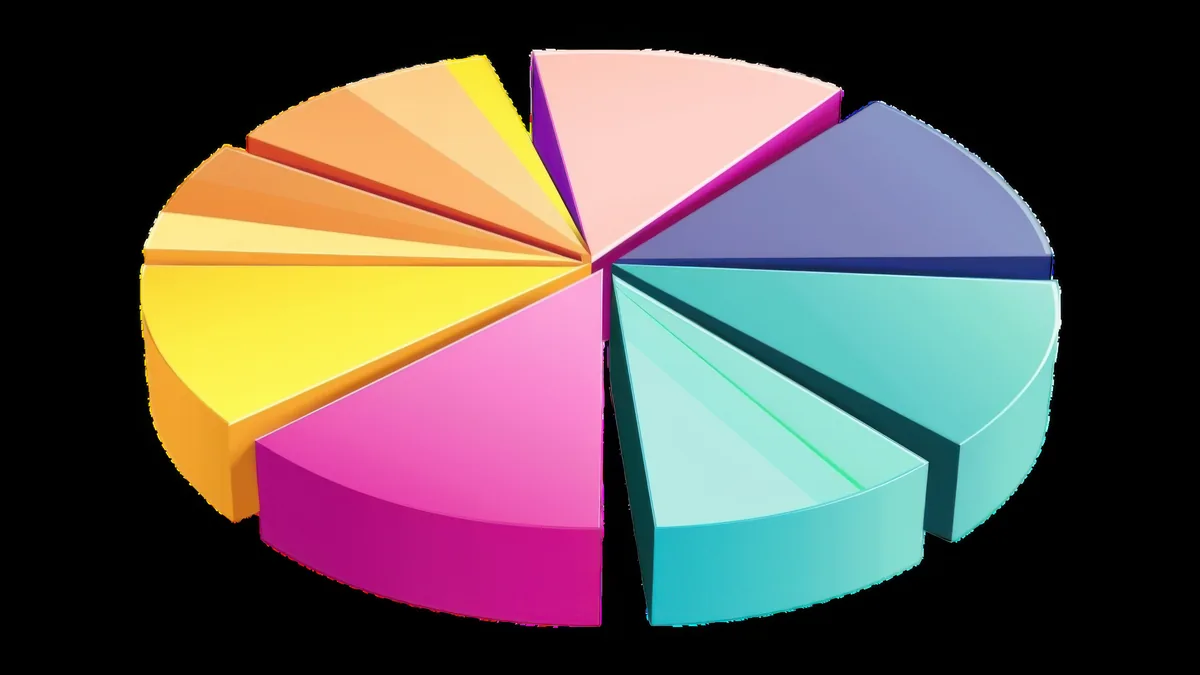
The rubber processing chemicals market is analyzed across three primary dimensions: product type, application, and end-use industry. Each segmentation layer reveals distinct demand patterns and growth opportunities.
By Type:
- Antidegradants: The largest product segment by value, antidegradants include antioxidants and antiozonants that protect rubber from thermal, oxidative, and UV degradation. They are critical in tire sidewall formulations and outdoor rubber applications. Demand is closely correlated with the quality requirements of premium tire segments.
- Accelerators: Used to reduce vulcanization time and improve cure efficiency, accelerators are high-volume commodities consumed across virtually all rubber processing operations. Sulfenamide-based accelerators are the most widely used, though thiazole and thiuram classes retain significant market share. Regulatory pressure on certain sub-classes is gradually reshaping the product mix.
- Flame Retardants: A specialized segment with growing relevance in EV battery enclosures, wire and cable jacketing, and construction rubber. Demand is driven by tightening fire safety standards globally, particularly in Europe and North America.
- Processing Aids: These include homogenizing agents, peptizers, tackifiers, and plasticizers that improve processing efficiency and reduce energy consumption during mixing and extrusion. Growing preference for energy-efficient manufacturing is supporting this segment.
- Others: Includes blowing agents, curing agents, and specialty additives for niche applications such as conductive rubber and medical-grade formulations.
By Application:
- Tire: The dominant application, representing the majority of global rubber processing chemical consumption. Tire manufacturers are the largest buyers of accelerators, antidegradants, and silica-coupling agents. The shift toward fuel-efficient and EV-compatible tire designs is influencing chemical selection criteria.
- Non-Tire: Encompasses automotive components (hoses, belts, seals, gaskets), industrial rubber products (conveyor belts, rollers, vibration mounts), medical devices, footwear, and consumer goods. Non-tire applications collectively account for roughly 35%–40% of market value and are growing at a slightly faster rate than the tire segment due to product diversification.
By End-Use Industry:
- Tire and Related Products: Largest end-use category, dominated by global tire majors and their Tier-1 chemical suppliers.
- Automotive Components: Seals, vibration management systems, and under-hood components for passenger and commercial vehicles.
- Medical Products: Surgical gloves, IV tubing, respiratory masks, and pharmaceutical closures require ultra-pure processing chemicals.
- Footwear Products: Rubber soles and shoe components are a significant end-use in Asia, particularly in India, Vietnam, and Indonesia.
- Industrial Rubber Products: Mining, oil & gas, and construction sectors drive demand for high-durability conveyor belts, seals, and protective linings.
- Others: Electronics, sports equipment, and agricultural applications.

Regional Analysis
Asia Pacific: Asia Pacific is the dominant regional market, accounting for more than half of global rubber processing chemical consumption. China is the epicenter of both production and consumption, hosting a large share of the world's tire manufacturing capacity and a rapidly growing automotive industry. India is a key growth market, with its rubber processing chemicals segment estimated at USD 404.6 million in 2025 and projected to reach USD 580.2 million by 2034 at a CAGR of approximately 3.96% (IMARC Group). Japan and South Korea contribute significant demand from high-value automotive and industrial rubber applications. Southeast Asia — particularly Thailand, Vietnam, Indonesia, and Malaysia — benefits from proximity to natural rubber production and expanding manufacturing activity.
North America: The North American market is characterized by mature demand from the established automotive and aerospace sectors, partially offset by the shift toward TPE substitutes in certain segments. The United States dominates the regional market, with demand supported by domestic tire retreading, automotive aftermarket supply chains, and a growing focus on medical-grade rubber products. Regulatory compliance costs and a preference for non-toxic, sustainable formulations are reshaping the product portfolio of local suppliers. Canada and Mexico contribute through automotive manufacturing activity, with Mexico's maquiladora sector serving as a hub for rubber component production destined for US OEMs.
Europe: Europe is a technologically advanced market where environmental regulations under REACH, end-of-life vehicle directives, and tire labeling regulations drive demand for high-performance, low-emission rubber chemicals. Germany, France, Italy, and Spain are the primary consuming nations, with automotive OEMs and specialty industrial manufacturers driving chemical selection. The region is a global leader in developing non-nitrosamine accelerators and bio-based antioxidants. Although overall volume growth is modest, the value per unit of chemical consumed is higher than the global average due to premium product requirements.
Latin America: Latin America presents a moderate-growth opportunity, with Brazil and Mexico serving as the primary markets. Brazil's automotive industry, one of the largest in the world, anchors rubber chemical demand, while Mexico's integrated position in North American automotive supply chains sustains steady consumption. Argentina contributes through agricultural and industrial rubber applications. Infrastructure investment cycles across the region create periodic demand uplift for industrial rubber products. Price sensitivity and currency volatility remain structural challenges for international chemical suppliers operating in LATAM markets.
Middle East & Africa: The MEA region is an emerging growth market, driven by large-scale infrastructure projects in GCC countries, rising automotive fleet size in markets such as South Africa and Nigeria, and expanding domestic manufacturing in Turkey. The UAE and Saudi Arabia are investing in downstream petrochemical and rubber processing capabilities as part of economic diversification strategies. Africa's long-term potential is significant given its youthful population and rapid urbanization, though near-term market development is constrained by limited local rubber goods manufacturing capacity and reliance on imports.

Competitive Landscape
The global rubber processing chemicals market is moderately consolidated, with a mix of large diversified chemical conglomerates and specialized rubber additive manufacturers competing on technology, product breadth, supply chain reliability, and regulatory compliance. Chinese producers hold a dominant position in accelerator volume, while Western companies tend to lead in premium antidegradants, specialty processing aids, and sustainable product lines.
- Lanxess AG (Germany): One of the world's leading producers of rubber chemicals, with a comprehensive portfolio spanning accelerators, antioxidants, and specialty additives; strong foothold in European and global tire OEM supply chains.
- Eastman Chemical Company (USA): Offers a broad range of rubber processing oils, plasticizers, and specialty additives with a growing focus on sustainable and bio-based solutions for the automotive and industrial segments.
- Solvay S.A. (Belgium): Supplies specialty polymer and rubber additives with particular strength in high-performance applications including aerospace, medical, and EV-related rubber components.
- Arkema S.A. (France): Active in vulcanization agents, thiuram accelerators, and organic peroxides for rubber crosslinking; investing in low-emission chemistry aligned with EU sustainability mandates.
- Sumitomo Chemical Co., Ltd. (Japan): A key supplier of antioxidants and other rubber additives across the Asia Pacific region, with deep relationships with Japanese and South Korean tire and automotive OEMs.
- Nocil Limited (India): India's largest manufacturer of rubber chemicals, supplying domestic and export markets with a wide range of accelerators and antidegradants; beneficiary of India's expanding automotive production base.
- Kemai Chemical Co., Ltd. (China): Among the largest Chinese producers of rubber accelerators and antioxidants; competes on cost efficiency and serves both domestic tire manufacturers and international export markets.
Competition is intensifying around sustainability credentials as tire manufacturers and automotive OEMs embed environmental and toxicological requirements into procurement specifications. Strategic investments in bio-based raw materials, solvent-free processing, and closed-loop production systems are becoming competitive differentiators alongside traditional cost and quality parameters.

Recent Developments
The rubber processing chemicals sector has seen notable activity across product innovation, capacity expansion, and strategic partnerships in recent periods:
- Bio-based antioxidant commercialization: Several European and North American producers have moved bio-derived antioxidant formulations from pilot to commercial scale, targeting premium tire and automotive sealing applications where customers are willing to pay for verified sustainability attributes. These products reduce dependence on aniline-based petrochemical feedstocks and address emerging regulatory restrictions.
- Capacity expansions in Asia: Chinese and Indian rubber chemical manufacturers have announced capacity additions to serve growing domestic automotive demand and position for export growth. India's push toward self-reliance in specialty chemicals under its Production Linked Incentive (PLI) framework has attracted investment into rubber additive manufacturing.
- EV-compatible formulation development: The transition to electric vehicles is prompting chemical companies to reformulate rubber compounds for battery sealing, thermal management systems, and high-torque drivetrain components. Partnerships between tire manufacturers and chemical suppliers are accelerating the qualification of next-generation silane coupling agents and specialty processing aids.
- Merger and acquisition activity: The broader specialty chemicals sector continues to see M&A-driven consolidation, with larger players acquiring niche rubber additive producers to expand their technology portfolios and strengthen regional distribution capabilities, particularly in Asia Pacific.
- Digital process optimization: Leading producers are deploying advanced process analytics and AI-assisted compounding tools to reduce chemical waste in rubber formulation, improve batch consistency, and shorten new product development cycles — reducing time-to-market for next-generation additive systems.
Frequently Asked Questions
Q1: What is the current size of the rubber processing chemicals market?
The global rubber processing chemicals market reached approximately USD 5.7 billion in 2025 according to industry estimates, and is projected to grow to roughly USD 7.8–8.4 billion by the early 2030s, depending on the forecast period and methodology applied by different research organizations.
Q2: What is driving growth in the rubber processing chemicals market?
The primary growth drivers include expanding automotive and tire production in Asia Pacific, increasing infrastructure investment in emerging economies, demand for high-performance rubber in medical and industrial applications, and ongoing regulatory pressure pushing the industry toward sustainable, low-toxicity chemical formulations.
Q3: Which region dominates the rubber processing chemicals market?
Asia Pacific is the dominant region, accounting for more than half of global consumption. China leads in both production and consumption of rubber chemicals, followed by India, Japan, and South Korea. India is among the fastest-growing sub-markets, supported by its expanding automotive, footwear, and industrial manufacturing base.
Q4: What are the main types of rubber processing chemicals?
The principal categories are antidegradants (antioxidants and antiozonants), accelerators (sulfenamides, thiazoles, thiurams), flame retardants, processing aids (plasticizers, tackifiers, peptizers), and other specialty additives including blowing agents and coupling agents. Antidegradants and accelerators together represent the largest portion of market value.
Q5: What challenges does the rubber processing chemicals market face?
Key challenges include volatility in petrochemical feedstock prices, regulatory restrictions on specific accelerator classes in the EU and North America, competition from thermoplastic elastomers in certain applications, supply chain concentration risk in China, and the high cost of scaling bio-based alternatives to commercial viability.
Related reports
Hyaluronic Acid Raw Material Market Size, Share & Forecast 2026-2032
10.52 USD bn
Estimated market size in 2032
- 2026
- 7.80 USD bn
- Forecast period
- 2026–2032
Dicalcium Phosphate Market Size, Share & Forecast 2026-2032
1.64 USD bn
Estimated market size in 2032
- 2027
- 1.26 USD bn
- Forecast period
- 2027–2032
Agrochemical Market Size, Share & Forecast 2026-2032
412.7 USD bn
Estimated market size in 2032
- 2026
- 317.0 USD bn
- Forecast period
- 2026–2032