Market report
Agrochemical Market Size, Share & Forecast 2026-2032
The agrochemicals market is projected to grow steadily through 2032, driven by rising food demand, crop protection needs, and agricultural innovation.
Market summary
- Market size, 2026
- 317.0 USD Billion
- Market size, 2032
- 412.7 USD Billion
- Forecast period
- 2026–2032
Source: figures from the forecast table published in this report.

Executive Summary
The global agrochemicals market stands at a significant inflection point, shaped by the dual imperatives of feeding a growing world population and managing the environmental footprint of intensive farming. Agrochemicals — encompassing fertilizers, pesticides, plant growth regulators, and adjuvants — form the chemical backbone of modern agriculture, enabling yield protection and soil productivity across diverse crop systems.
According to Mordor Intelligence, the market was valued at approximately USD 317 billion in 2026 and is forecast to reach USD 412.4 billion by 2031, reflecting a CAGR of 5.4% over the period. IMARC Group estimates a slightly different trajectory, valuing the market at USD 307.2 billion in 2025 and projecting USD 406.2 billion by 2034 at a CAGR of 3.06%. For the specific 2026–2032 window covered in this report, industry estimates suggest the market will advance at a CAGR in the range of 3.5%–5.4%, reaching approximately USD 375–412 billion by 2032, depending on regulatory, economic, and climatic variables.
- Asia Pacific holds the dominant regional share, exceeding 43% of global market value in 2025, driven by high-volume agricultural activity in China, India, and Southeast Asia.
- Fertilizers account for the largest product segment, while the pesticides sub-segment — particularly herbicides and fungicides — is recording above-average growth rates.
- Consolidation among top-tier producers and increasing investments in biological crop protection alternatives are redefining competitive positioning.
- Regulatory tightening across the EU and North America continues to pressure conventional synthetic chemistries, accelerating the transition toward integrated pest management (IPM) frameworks.
- Climate volatility, including erratic rainfall and increased pest pressure, is expanding demand for agrochemical applications in previously low-intensity farming regions.
Market Size & Forecast
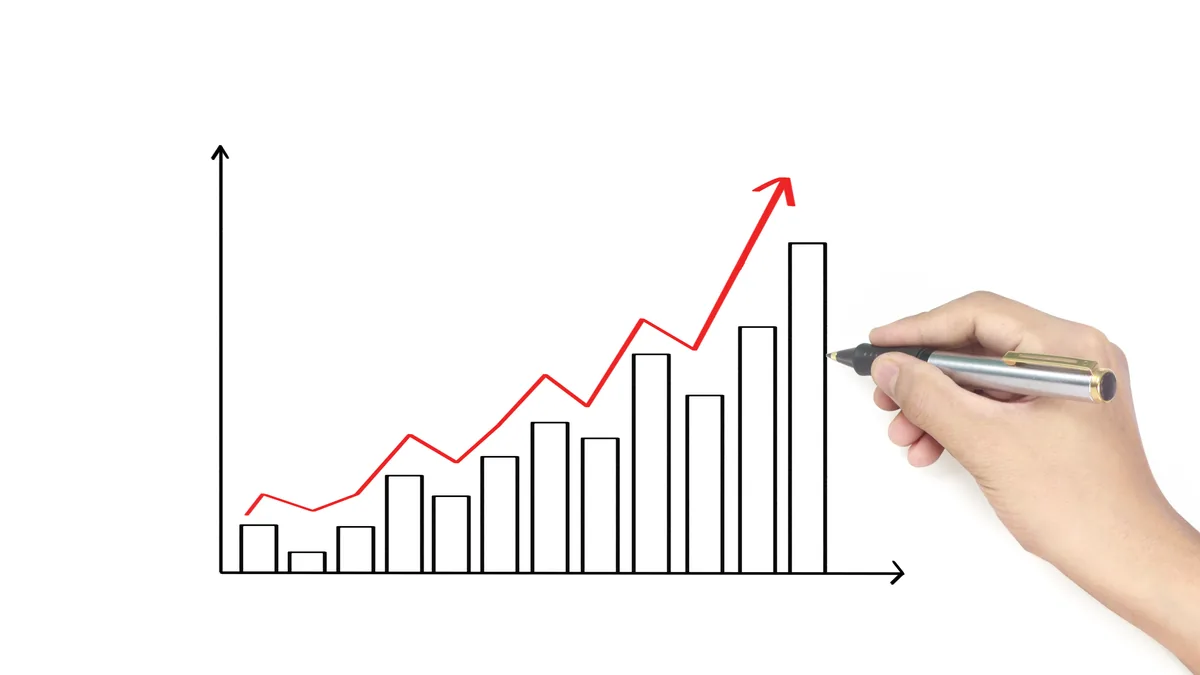
Multiple research sources converge on a broadly positive outlook for the global agrochemicals market through the early 2030s, though CAGR estimates vary depending on scope definitions and base-year assumptions. MarketsandMarkets estimated the market at USD 235.2 billion in 2023, projecting USD 282.2 billion by 2028 at a CAGR of 3.7%. Mordor Intelligence, using a broader product classification, placed 2026 market size at USD 317 billion. For this report's scope — 2026 through 2032 — this analysis draws from these inputs to present a consolidated forecast.
The table below presents the projected market size trajectory from 2026 to 2032, based on a central-case CAGR estimate of approximately 4.5%, consistent with industry consensus midpoints:
Source: forecast table in this report
| Year | Estimated Market Size (USD Billion) | Year-on-Year Growth (%) |
|---|---|---|
| 2026 | 317.0 | — |
| 2027 | 331.2 | 4.5% |
| 2028 | 346.1 | 4.5% |
| 2029 | 361.6 | 4.5% |
| 2030 | 377.9 | 4.5% |
| 2031 | 394.9 | 4.5% |
| 2032 | 412.7 | 4.5% |
Note: Market size figures are presented in nominal USD and are based on consensus industry estimates. Actual outcomes may vary based on commodity price cycles, input cost inflation, and regulatory approvals. The above projections align closely with Mordor Intelligence's published 2031 estimate of USD 412.4 billion, providing a degree of external validation for the central-case scenario presented here.
Key Drivers
Several structural and cyclical forces are sustaining demand across the global agrochemicals market, extending well into the 2032 forecast horizon.
- Global Population Growth and Food Security Pressures: The United Nations projects the world population to exceed 9.7 billion by 2050. Meeting this demand with finite arable land requires intensification of per-hectare productivity — a dynamic that directly supports agrochemical consumption. Fertilizers remain the primary tool for restoring soil nutrient balance after repeated cropping cycles.
- Rising Pest and Disease Incidence: Climate change is expanding the geographic range of agricultural pests and plant pathogens. Warmer winters in temperate zones allow pest populations to overwinter more successfully, while new fungal strains are emerging in previously unaffected regions. This is supporting volume growth in fungicide and insecticide categories.
- Expansion of Irrigated Cropland in Emerging Markets: Countries across Sub-Saharan Africa, South and Southeast Asia, and Latin America are expanding irrigated acreage. Irrigated agriculture typically uses 1.5–2× more agrochemical inputs per hectare than rain-fed farming due to intensified cropping calendars.
- Adoption of Precision Agriculture and Crop Monitoring Technologies: GPS-guided variable-rate application technologies are reducing agrochemical waste while simultaneously justifying premium-priced formulations. Farmers using precision application systems often shift toward higher-efficacy, specialized crop protection products.
- Government Subsidies and Farm Support Programs: In India, China, Brazil, and across the EU, various subsidy schemes reduce the effective cost of fertilizer inputs to farmers. India's fertilizer subsidy program, one of the world's largest, has historically anchored domestic urea and phosphate demand, making it a major demand-side stabilizer.
- Growing Demand for High-Value Crops: Fruits, vegetables, and specialty crops require significantly higher agrochemical input intensity per hectare compared to staple cereals. The expansion of horticulture for both domestic consumption and export in developing economies is shifting the product mix toward specialized fungicides, insecticides, and micronutrient fertilizers.

Restraints & Challenges
Despite favorable demand dynamics, the agrochemicals market faces a complex set of headwinds that may moderate growth trajectories in certain segments and geographies.
- Stringent Regulatory Approvals and Product Bans: Regulatory bodies including the European Food Safety Authority (EFSA), the US Environmental Protection Agency (EPA), and their counterparts in major agricultural nations periodically withdraw approvals for specific active ingredients based on updated toxicological and environmental assessments. The EU's Farm to Fork strategy has set targets to reduce chemical pesticide use by 50% by 2030, creating a structural headwind for conventional synthetic product segments in the region.
- Environmental and Health Concerns: Growing scientific and public scrutiny of agrochemical residues in food and water systems — including concerns about endocrine disruption, pollinator decline linked to neonicotinoids, and soil microbiome damage from herbicide overuse — is driving demand-side resistance in high-income markets and complicating market access.
- Volatility in Raw Material Costs: Agrochemical manufacturing relies on petrochemical feedstocks (for pesticide synthesis) and mined minerals (potash, phosphate rock, natural gas for ammonia). Geopolitical disruptions — such as the restriction of Russian and Belarusian potash and natural gas supplies following the 2022 conflict — caused severe price spikes in fertilizer markets, which persist in structural form.
- Counterfeit and Substandard Products: In several emerging markets, counterfeit or below-specification agrochemicals circulate widely through informal distribution channels. Beyond the immediate economic harm to farmers, these products erode trust in the broader category and undermine efficacy-based value propositions from legitimate manufacturers.
- Competition from Biological Alternatives: Biopesticides and biofertilizers, while still a small fraction of total market value, are growing at CAGRs that Mordor Intelligence estimates at 13.0% for certain biopesticide sub-segments. As biological products improve in efficacy and shelf-life stability, they present credible substitution pressure for certain synthetic agrochemical applications over the longer forecast horizon.

Segmentation
The agrochemicals market is segmented across product type, crop application, and end-user channel. Each dimension reveals distinct growth and investment dynamics.
By Type (Product Category)
- Fertilizers: Fertilizers — including nitrogenous, phosphatic, potassic (NPK), and micronutrient varieties — represent the largest segment by value, accounting for a substantial majority of total market revenue. Urea remains the most globally traded single fertilizer product. Specialty fertilizers, including slow-release and controlled-release variants, are capturing share in high-value horticulture systems. The fertilizer segment benefits from government support programs in major agricultural economies but is exposed to raw material cost and geopolitical volatility.
- Pesticides: The pesticides segment spans insecticides, herbicides, fungicides, nematicides, and rodenticides. Herbicides command the largest share within pesticides by value, driven by glyphosate-based and post-emergent products used in row crop systems. Fungicides are the fastest-growing sub-segment within pesticides, with demand accelerating due to increased fungal disease pressure under changing climatic conditions. Insecticides remain critical in tropical and sub-tropical agriculture but face the most acute regulatory pressure in developed markets.
- Plant Growth Regulators (PGRs): PGRs represent a smaller but growing segment, used to manage plant architecture, flowering timing, and post-harvest quality. Ethylene-releasing compounds and cytokinins have established demand niches in fruit and vegetable production.
- Adjuvants: Adjuvants improve the performance and field stability of pesticide formulations. Industry estimates suggest this segment is growing faster than the overall market average, driven by demand for more efficient agrochemical delivery systems that reduce active ingredient use per application.
By Crop Type (Application)
- Cereals & Grains: Wheat, rice, and maize collectively drive the highest agrochemical consumption volumes globally. Herbicide and fertilizer use in these crops is structurally large and geographically diversified.
- Oilseeds & Pulses: Soybean, canola, and sunflower cultivation — particularly in Brazil, Argentina, the US, and Canada — drive substantial herbicide and fungicide demand. Brazil's soybean belt is one of the world's most input-intensive agricultural systems.
- Fruits & Vegetables: High per-hectare input intensity makes this segment a premium growth area. Demand for specialty fungicides, insecticides, and micronutrient fertilizers is particularly strong in export-oriented horticultural systems in Mexico, Spain, Morocco, and Southeast Asia.
- Commercial Crops (Cotton, Sugarcane, Tobacco): Cotton is one of the most pesticide-intensive crops globally. Sugarcane cultivation, particularly in Brazil and India, drives significant herbicide and growth regulator consumption.
By End-User Channel
- Direct Farm Application: Large commercial farms and plantation operators increasingly purchase agrochemicals directly from manufacturers or authorized distributors, often under volume purchase agreements with technical service support.
- Agricultural Cooperatives: In Europe, Japan, and parts of Latin America, agricultural cooperatives serve as the primary procurement channel, aggregating farmer demand and negotiating pricing with manufacturers.
- Retail Agri-Dealers and Distributors: For smallholder-dominated markets across South and Southeast Asia and Sub-Saharan Africa, retail agri-dealers remain the dominant channel, representing the final point of product access for the majority of global farmers by count.
- Government Procurement Programs: Several national governments, particularly in South Asia and parts of Africa, procure agrochemicals centrally for distribution through extension services or subsidy schemes, representing a significant and price-sensitive demand pool.
Regional Analysis
Regional dynamics in the agrochemicals market are shaped by farm structure, crop composition, regulatory frameworks, and prevailing food security priorities. Asia Pacific maintains a commanding position, but growth vectors are diversifying across emerging agricultural geographies.
Asia Pacific
Asia Pacific is the largest and fastest-growing regional market for agrochemicals, holding more than 43% of global market share as of 2025 per IMARC Group estimates. China and India are the two largest national markets within the region. China's scale of chemical manufacturing gives it dual significance as both a major producer and consumer of agrochemicals — it is a primary global exporter of technical-grade insecticide and herbicide active ingredients. India's agrochemicals market is expanding on the back of government-backed nutrient-based subsidy reforms, rising farmer awareness, and expanding irrigation. Southeast Asian nations, particularly Indonesia, Vietnam, and Thailand, are recording strong pesticide demand growth linked to paddy rice intensification and export-oriented horticulture. Mordor Intelligence identifies Asia Pacific as both the largest and fastest-growing regional market through 2031.
North America
North America represents a mature but high-value regional market characterized by large-scale mechanized agriculture and technologically advanced input application. The United States is the dominant national market, with significant pesticide consumption concentrated in row crops (corn, soybean, wheat, cotton). Herbicide use — particularly glyphosate and glufosinate-ammonium — is structurally elevated due to widespread adoption of herbicide-tolerant genetically modified crop varieties. Regulatory scrutiny of neonicotinoids and certain organophosphates is reshaping the product mix, with manufacturers shifting investment toward safer-profile chemistries and biological alternatives. Canada's canola belt drives meaningful fungicide and herbicide consumption. Industry estimates suggest North America accounts for approximately 20–23% of global agrochemical market value.
Europe
Europe presents a complex market profile marked by high per-hectare productivity and an intensifying regulatory environment. The EU's Farm to Fork strategy — targeting a 50% reduction in pesticide use by 2030 — is structurally reshaping demand for synthetic crop protection products. This is accelerating investment in biopesticide registration and precision application technologies by established agrochemical manufacturers seeking to retain market relevance. Germany, France, Spain, and Poland are the largest national markets within the EU. Spain's fresh produce export sector maintains elevated fungicide and insecticide demand despite broader EU regulatory pressure. The UK's post-Brexit regulatory divergence from EU standards is creating selective opportunities for active ingredient reapprovals. Europe is expected to register below-average CAGRs relative to global benchmarks through 2032.
Latin America
Latin America is the most dynamic emerging-market agrochemical region globally, driven by Brazil's agricultural powerhouse status. Brazil is the world's largest consumer of pesticides by volume, with soybean, sugarcane, corn, and cotton cultivation underpinning extraordinary herbicide and fungicide demand. The Centro-Oeste and MATOPIBA agricultural frontiers continue to expand cultivated area, extending the demand footprint. Argentina is the second-largest Latin American market, with significant herbicide and fertilizer consumption in its soybean and corn systems. Mexico is a growing market for specialty pesticides and micronutrient fertilizers linked to its expanding fresh produce export sector serving the US market. Industry estimates suggest Latin America accounts for approximately 16–19% of global agrochemical market value and will record above-average regional CAGRs through 2032.
Middle East & Africa (MEA)
The MEA region represents the smallest current share of global agrochemical consumption but holds the highest long-term growth potential. Sub-Saharan Africa's agricultural productivity gap — measured by the wide difference between actual and potential yields — creates significant room for agrochemical adoption as smallholder farmers gain improved market access and financial inclusion. The East African Rift Valley and West African Sahel are key zones of emerging agrochemical demand growth. In the Middle East, greenhouse horticulture in the Gulf states and irrigated agriculture in Egypt, Morocco, and Turkey drive localized but growing demand for specialty fertilizers and pesticides. Morocco and South Africa serve as regional hub markets with more developed agrochemical distribution infrastructure.

Competitive Landscape
The global agrochemicals market exhibits moderate-to-high concentration at the top, with a small number of multinational corporations controlling substantial shares of both innovation pipelines and commercial sales, while a large number of generic manufacturers — particularly based in China and India — compete aggressively on price in off-patent active ingredient categories.
- Syngenta Group (ChemChina): A leading global agrochemical and seeds company headquartered in Basel, Switzerland, with deep product portfolios in fungicides, insecticides, herbicides, and seed treatment chemicals; acquired by China National Chemical Corporation (ChemChina) in 2017, significantly expanding its distribution reach in Asia.
- Bayer AG (Crop Science Division): Following its acquisition of Monsanto in 2018, Bayer Crop Science became the world's largest integrated seed and crop protection company, with glyphosate-based herbicides (Roundup) and neonicotinoid insecticides forming key commercial pillars alongside a growing biologicals portfolio.
- BASF SE: A major German chemical conglomerate whose Agricultural Solutions division offers a broad range of herbicides, fungicides, insecticides, and seed treatments, with notable strength in European markets and a growing emphasis on digital agriculture and biological product development.
- Corteva Agriscience: Spun off from DowDuPont in 2019, Corteva is one of the largest pure-play agricultural science companies globally, with a balanced portfolio of crop protection products and proprietary seed technologies primarily focused on North and South American grain belt markets.
- FMC Corporation: A US-based specialty chemical company with a focused crop protection portfolio strong in insecticides (including diamide chemistries) and herbicides; recognized for above-average R&D investment ratios relative to its peer group and an expanding biologicals pipeline.
- UPL Limited: An Indian multinational agrochemical company that has grown aggressively through acquisitions — including Arysta LifeScience in 2019 — to become one of the top five global crop protection companies by revenue, with particular strength in emerging markets across Latin America, Africa, and Asia.
- Nutrien Ltd.: The world's largest producer of potash and a major nitrogen and phosphate fertilizer producer, with a retail agrochemical distribution network spanning over 1,700 farm retail locations primarily in North America; serves as a dominant integrated input supplier to large-scale grain producers.
Strategic priorities across the competitive landscape include: accelerating biological and biostimulant product registrations to address regulatory headwinds on synthetic chemistries; digital agriculture platform investments linking agrochemical recommendations to field sensing and satellite data; and geographic portfolio rebalancing toward high-growth markets in Latin America, Southeast Asia, and Africa. Pricing pressure in generic product categories remains acute, particularly as Chinese manufacturers continue to export finished formulations and technical active ingredients at competitive price points.
Recent Developments
The agrochemicals industry has seen notable strategic and regulatory activity in the period leading into the 2026–2032 forecast window. Key developments shaping competitive and market dynamics include:
- Acceleration of Biological Crop Protection M&A: Major agrochemical companies including Bayer, BASF, and Corteva have completed multiple acquisitions of biological pest control and biostimulant startups, reflecting a strategic hedge against synthetic chemistry regulatory attrition. The biologicals segment, while still a small share of total market value, is receiving disproportionate corporate investment relative to its current revenue contribution.
- EU Pesticide Regulation Revision: The European Commission's revised Sustainable Use of Pesticides Regulation (SUR) proposal has continued to generate significant industry debate. While the initial 2030 targets have faced political revision due to food security concerns following the Russia-Ukraine conflict, the directional pressure on reduced chemical pesticide use in the EU remains intact and is influencing global product development priorities.
- Fertilizer Supply Chain Restructuring Post-2022: The disruption of Russian and Belarusian potash and nitrogen fertilizer exports following geopolitical events in 2022 prompted lasting diversification of supply chains among importing nations. North African producers (Morocco's OCP Group, Tunisian GCT) and Canadian potash miners benefited from redirection of European purchasing. This supply chain restructuring is increasing the strategic value of non-Russian fertilizer production capacity.
- Drone and Precision Application Commercialization: Agricultural drone application services for pesticides and fertilizers have scaled rapidly in China, Japan, and increasingly in Southeast Asia and Brazil. This technology adoption is shifting demand patterns — increasing the attractiveness of high-concentration formulations optimized for aerial application and reducing total active ingredient use per hectare in some systems.
- India's Agrochemical Export Ambitions: The Indian government has actively supported the expansion of domestic agrochemical manufacturing capacity through production-linked incentive schemes, with a stated objective of significantly increasing India's share of global agrochemical exports by 2030. Indian generic manufacturers are targeting markets in Latin America and Africa where they can compete effectively on price against established multinational brands.
Frequently Asked Questions
Q1: What is the current size of the global agrochemicals market?
Based on available industry research, the global agrochemicals market was valued at approximately USD 307–317 billion in 2025–2026. Mordor Intelligence placed the 2026 market size at USD 317 billion, while IMARC Group estimated USD 307.2 billion for 2025. The variation reflects differences in product scope definitions — some estimates include all fertilizer categories, while others focus primarily on crop protection chemicals.
Q2: What CAGR is projected for the agrochemicals market through 2032?
Industry estimates for the agrochemicals market CAGR through the early 2030s range from 3.06% (IMARC Group, through 2034) to 5.4% (Mordor Intelligence, through 2031), with MarketsandMarkets projecting 3.7% through 2028. The variation reflects scope differences and base-year selection. A consensus midpoint of approximately 4.0%–5.0% CAGR through 2032 represents a reasonable central estimate for planning purposes.
Q3: Which region dominates the global agrochemicals market?
Asia Pacific is the largest and fastest-growing regional market for agrochemicals, accounting for more than 43% of global market share as of 2025 per IMARC Group estimates. China and India are the two largest national markets within the region. China's significance is amplified by its role as a major manufacturer and exporter of agrochemical active ingredients in addition to being a large domestic consumer.
Q4: What are the main types of agrochemicals covered in this market?
The agrochemicals market encompasses four primary product categories: (1) Fertilizers — including nitrogenous, phosphatic, potassic, and specialty/micronutrient fertilizers; (2) Pesticides — comprising insecticides, herbicides, fungicides, nematicides, and rodenticides; (3) Plant Growth Regulators (PGRs) — used to manage crop development and post-harvest quality; and (4) Adjuvants — formulation additives that improve pesticide efficacy and application performance. Fertilizers account for the largest segment by market value.
Q5: Who are the major companies operating in the agrochemicals market?
The global agrochemicals market is led by a group of multinational corporations including Syngenta Group (owned by ChemChina), Bayer Crop Science, BASF SE, Corteva Agriscience, FMC Corporation, UPL Limited, and Nutrien Ltd. These companies collectively account for a substantial share of global crop protection and fertilizer revenues. A large and growing number of generic manufacturers — particularly in China and India — also compete across off-patent active ingredient categories, exerting downward pressure on commodity-grade pricing.
Related reports
Automotive Pump Market Size, Share & Forecast 2026-2032
33.5 USD bn
Estimated market size in 2032
- 2027
- 31.6 USD bn
- Forecast period
- 2027–2032
Mobile Water Treatment Systems Market Size, Share & Forecast 2026-2032
8.6 USD bn
Estimated market size in 2032
- 2026
- 5.0 USD bn
- Forecast period
- 2026–2032
Hyaluronic Acid Raw Material Market Size, Share & Forecast 2026-2032
10.52 USD bn
Estimated market size in 2032
- 2026
- 7.80 USD bn
- Forecast period
- 2026–2032