Market report
Hyaluronic Acid Raw Material Market Size, Share & Forecast 2026-2032
The hyaluronic acid raw material market is projected to grow steadily from 2026 to 2032, driven by rising demand in cosmetics, orthopedics, and ophthalmology.
Market summary
- Market size, 2026
- 7.80 USD Billion
- Market size, 2032
- 10.52 USD Billion
- Forecast period
- 2026–2032
Source: figures from the forecast table published in this report.

Executive Summary
The global hyaluronic acid raw material market stands at a robust valuation of approximately USD 7.8 billion in 2026, underpinned by sustained demand across medical, cosmetic, and pharmaceutical end-use segments. Multiple independent research sources corroborate a mid-single-digit compound annual growth rate through the early 2030s, with Mordor Intelligence placing the 2026–2031 CAGR at 5.15% and IMARC Group projecting a 5.29% CAGR through 2034.
Hyaluronic acid (HA) is a naturally occurring glycosaminoglycan found in connective tissue, synovial fluid, and the extracellular matrix of the human body. As a raw material, it is manufactured either through animal-derived extraction — predominantly from rooster combs — or through microbial fermentation using Streptococcus or Bacillus subtilis strains. The latter method has gained a decisive foothold owing to its purity advantages, scalability, and reduced risk of zoonotic contamination.
Key takeaways from this report include:
- Market valuation estimated at ~USD 7.8 billion in 2026, forecast to reach ~USD 10.5 billion by 2032
- Microbial fermentation-derived HA commanding an increasingly dominant share versus animal-derived sources
- North America retaining the largest revenue share; Asia-Pacific identified as the fastest-growing regional market
- Dermatology and dermal fillers, alongside orthopedics, representing the two highest-value application segments
- Intensifying competition from Chinese raw material manufacturers exerting price pressure on global incumbents
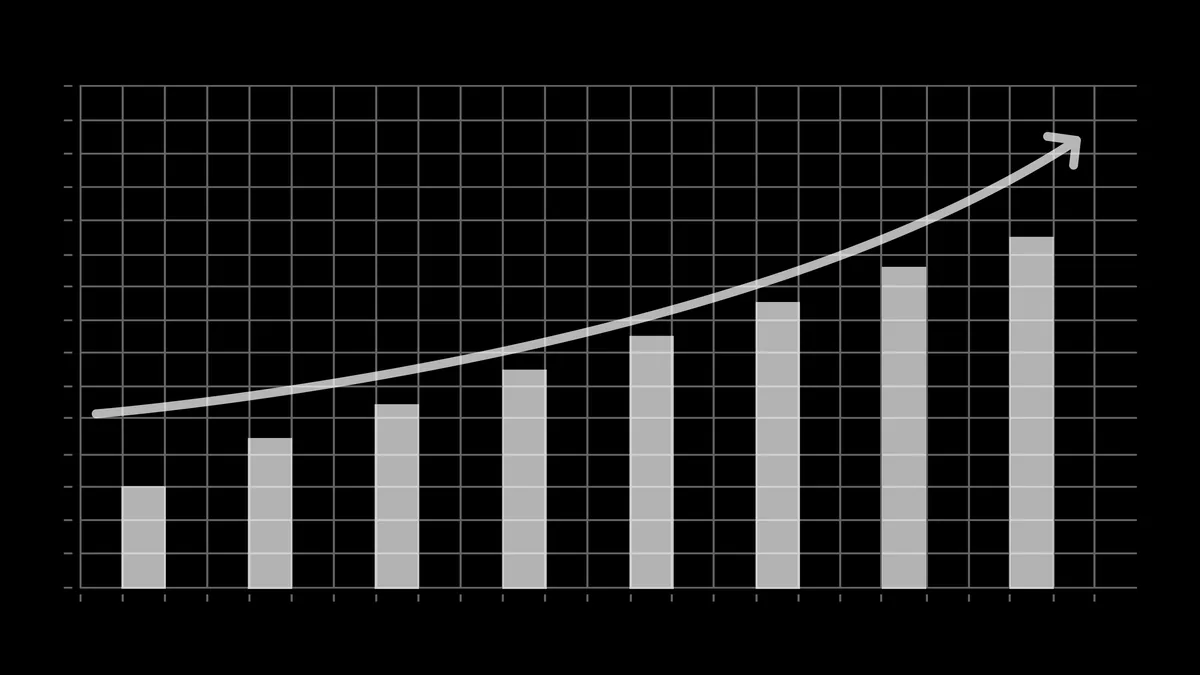
Market Size & Forecast
Based on triangulation of available third-party data and industry estimates, the hyaluronic acid raw material market was valued at approximately USD 7.8 billion in 2026. Applying a conservative CAGR of approximately 5.1%–5.3% — consistent with estimates from Mordor Intelligence (5.15%) and IMARC Group (5.29%) — the market is projected to reach approximately USD 10.5 billion by 2032. A broader hyaluronic acid market tracking study by MarketsandMarkets cites a 7.9% CAGR for the finished-product market through 2030, suggesting that demand-side momentum at the application level will continue to pull raw material volumes upward.
The table below presents the projected year-by-year market size for the global hyaluronic acid raw material market from 2026 through 2032:
Source: forecast table in this report
| Year | Estimated Market Size (USD Billion) | YoY Growth (%) |
|---|---|---|
| 2026 | 7.80 | Base Year |
| 2027 | 8.20 | ~5.1% |
| 2028 | 8.62 | ~5.1% |
| 2029 | 9.06 | ~5.1% |
| 2030 | 9.52 | ~5.1% |
| 2031 | 10.01 | ~5.1% |
| 2032 | 10.52 | ~5.1% |
Note: 2031 figure aligns with Mordor Intelligence's published forecast of USD 10.01 billion. Projections for other years are industry estimates based on a consistent 5.1% CAGR trajectory. All figures are indicative and subject to revision based on macroeconomic conditions.

Key Drivers
Several structural and cyclical forces are amplifying demand for hyaluronic acid as an industrial raw material. Understanding these drivers is essential for producers, formulators, and investors assessing long-term exposure to this market.
- Aging global population: The World Health Organization projects that by 2030, one in six people worldwide will be aged 60 or over. This demographic shift is directly linked to higher incidence of osteoarthritis, dry eye syndrome, and degenerative joint disorders — all of which are treated using HA-based interventions. The resulting volume demand for pharmaceutical-grade HA raw materials is a primary growth catalyst.
- Aesthetic medicine expansion: Demand for minimally invasive cosmetic procedures — particularly dermal fillers — has accelerated sharply across North America, Europe, and East Asia. HA-based fillers account for the majority of injectable filler procedures globally, creating a consistent and growing pull for high-purity, high-molecular-weight HA raw material.
- Ophthalmic surgical volumes: HA viscoelastics are standard components in cataract and vitreoretinal surgeries. Rising surgical volumes in both mature and emerging healthcare markets are sustaining demand for ophthalmic-grade HA raw material.
- Drug delivery and biomaterial innovation: Pharmaceutical researchers are exploiting HA's biocompatibility and receptor-binding properties for targeted drug delivery, hydrogel scaffolds, and tissue engineering applications. This broadens the addressable market well beyond traditional injectables.
- Clean-label cosmetics trend: Consumer preference for biologically derived, non-synthetic cosmetic ingredients is reinforcing HA's position in topical skincare — moisturizers, serums, and masks — at both mass-market and prestige tiers.
- Regulatory support for HA-based medical devices: Harmonized regulatory pathways in the EU (MDR) and streamlined FDA 510(k) clearances for HA-based medical devices are shortening commercialization timelines, incentivizing product launches that draw on HA raw materials.

Restraints & Challenges
Despite favorable demand fundamentals, the hyaluronic acid raw material market contends with several headwinds that could moderate growth or redistribute competitive advantage across the value chain.
- Price commoditization driven by Chinese producers: Chinese manufacturers — particularly Bloomage Biotechnology and Shandong Focuschem Biotech — have dramatically scaled microbial fermentation capacity over the past decade. This has introduced significant downward pressure on HA bulk pricing globally, compressing margins for smaller producers and creating barriers for new entrants.
- Regulatory complexity for pharmaceutical-grade HA: High-purity HA intended for injectable or implantable applications must comply with stringent pharmacopeial standards (USP, EP, JP). Compliance costs associated with Good Manufacturing Practice (GMP) certification and batch testing add substantial overhead, particularly for smaller or emerging-market producers.
- Raw material supply sensitivity: While microbial fermentation has reduced dependence on animal-derived inputs, glucose and other fermentation substrates remain subject to agricultural commodity price cycles, introducing cost volatility.
- Intellectual property barriers: Proprietary fermentation technologies and downstream purification patents held by major players can limit technology access for new market entrants seeking to compete on quality rather than price alone.
- Consumer misconceptions and adverse event concerns: Occasional reports of adverse reactions from improperly administered HA dermal fillers have attracted regulatory scrutiny in some jurisdictions, creating reputational risk for the broader HA category — though this primarily affects formulated products rather than raw materials directly.

Segmentation
The hyaluronic acid raw material market is segmented across source type, application, and end-user category. Each dimension reveals distinct demand dynamics and growth trajectories.
By Source (Type)
- Microbial Fermentation-Derived HA: This segment dominates production volumes globally and is the preferred raw material source for pharmaceutical, medical device, and high-end cosmetic applications. Bacterial fermentation — using genetically optimized Bacillus subtilis or Streptococcus equi strains — enables precise molecular weight control, superior batch consistency, and freedom from animal-origin material concerns. Regulatory bodies in the EU and Japan increasingly favor non-animal-derived HA, reinforcing adoption.
- Animal-Derived HA: Extracted from rooster combs, this source retains a residual market share in select application areas — particularly in some Asian markets — where cost remains the primary procurement criterion. However, its share has been declining steadily due to contamination risks, limited scalability, and evolving regulatory preferences.
By Application
- Dermatology / Dermal Fillers: The highest-value application segment, fueled by global demand for aesthetic injectables. High-molecular-weight HA is the primary specification requirement in this space.
- Orthopedics: Intra-articular HA injections for osteoarthritis symptom management represent a mature but stable application, with growth linked to aging demographics and expanding access in emerging markets.
- Ophthalmology: HA viscoelastic solutions are integral to cataract surgery and as artificial tears. This is a technically demanding application with stringent purity requirements.
- Drug Delivery: An emerging high-growth segment in which HA serves as a carrier molecule in targeted oncology, anti-inflammatory, and wound-healing formulations.
- Medical Device Coating: HA coatings improve biocompatibility and reduce friction on surgical devices, catheters, and implants — a niche but technically sophisticated application area.
- Surgical Adhesion Prevention, Biomaterials & Implants, Cell and Tissue Preservation: Collectively, these specialty segments — while smaller in volume — command premium pricing and are growing at above-average rates as regenerative medicine advances.
By End User
- Hospitals and Surgical Centers: The largest institutional end-user category, sourcing HA raw materials indirectly through medical device manufacturers and pharmaceutical compounders.
- Cosmetic Clinics and Aesthetic Practitioners: A rapidly growing end-user segment driven by the proliferation of medical aesthetics practices globally, particularly in North America, South Korea, and Western Europe.
- Pharmaceutical and Biotechnology Companies: End users engaged in API manufacturing, drug formulation, and tissue engineering research requiring GMP-grade HA raw materials.
- Personal Care Product Manufacturers: Consumer goods companies incorporating HA into topical skincare formulations at various grades and molecular weights.

Regional Analysis
Geographic demand for hyaluronic acid raw materials is shaped by a combination of healthcare infrastructure maturity, aesthetic procedure adoption rates, regulatory environments, and manufacturing capacity concentration.
North America
North America holds the largest share of the global hyaluronic acid raw material market, a position supported by a large and aging population, high per-capita healthcare expenditure, and a well-established medical aesthetics industry. The United States accounts for the majority of North American demand, with HA-based dermal fillers and ophthalmic solutions being particularly high-volume application categories. Regulatory clarity from the FDA on HA-based medical devices and injectables continues to underpin market confidence. Canada contributes meaningfully to regional demand, particularly in the orthopedics and personal care segments.
Europe
Europe represents the second-largest regional market, with Germany, France, Italy, the United Kingdom, and Spain collectively accounting for the bulk of consumption. The EU Medical Device Regulation (MDR) has raised the quality bar for HA raw materials used in medical applications, favoring GMP-certified suppliers with established pharmacopeial compliance. The European aesthetic medicine market is mature but continues to grow, particularly in Central and Eastern Europe where procedure accessibility is improving. Mordor Intelligence cites Europe's segment CAGR at approximately 5.72% for 2026–2031, slightly ahead of the global average.
Asia-Pacific
Asia-Pacific is the fastest-growing regional market, with China, Japan, South Korea, and India as the principal demand centers. China simultaneously represents the largest single national producer — home to Bloomage Biotechnology, Shandong Focuschem, and other large-scale fermentation operators — and a rapidly expanding domestic consumer base for both medical and cosmetic HA applications. South Korea's advanced medical aesthetics culture drives premium-grade HA demand. Japan maintains high standards for pharmaceutical-grade raw materials, creating a quality-differentiated import market. India is an emerging consumption market as its medical device and pharmaceutical manufacturing sectors scale up. Mordor Intelligence estimates Asia-Pacific's CAGR at approximately 6.08% for 2026–2031 — the highest among all regions.
Latin America (LATAM)
Latin America presents a developing but accelerating opportunity for HA raw material demand. Brazil is the dominant market, supported by one of the world's largest medical aesthetics industries — Brazilian consumers rank among the top globally for cosmetic procedure uptake. Mexico and Argentina contribute secondary demand, primarily through pharmaceutical manufacturing and growing aesthetic clinic networks. Import dependence on Asian and European raw material suppliers characterizes the region, though local formulation capacity is gradually increasing. Regulatory harmonization efforts within Mercosur are expected to simplify market access over the forecast period. Industry estimates suggest the LATAM market is growing at a CAGR modestly above the global average, driven by Brazil's outsized influence.
Middle East & Africa (MEA)
The MEA region represents the smallest but not insignificant share of the global HA raw material market. Gulf Cooperation Council (GCC) countries — particularly the UAE and Saudi Arabia — are experiencing rapid growth in medical tourism and aesthetic medicine, generating demand for high-purity HA raw materials. South Africa serves as a distribution hub for sub-Saharan African demand. Overall market penetration remains constrained by limited local manufacturing, price sensitivity, and healthcare infrastructure gaps in parts of Africa, but urban demand centers continue to register steady growth. Mordor Intelligence estimates the MEA segment CAGR at approximately 5.85% for 2026–2031.

Competitive Landscape
The hyaluronic acid raw material market exhibits a low-to-moderate concentration structure, characterized by a handful of large Chinese producers dominating volume output and a set of specialized Western and Japanese firms competing on quality, regulatory credentials, and application-specific customization.
- Bloomage Biotechnology Corporation Limited (China): The world's largest HA producer by volume, with vertically integrated operations spanning fermentation, purification, and downstream formulation; the company supplies raw material to global cosmetic and pharmaceutical clients.
- Shandong Focuschem Biotech Co., Ltd. (China): A major fermentation-based HA manufacturer with significant export capacity, supplying pharmaceutical-grade and cosmetic-grade raw materials to international markets at competitive price points.
- Contipro a.s. (Czech Republic): A European specialty producer known for high-purity, pharmaceutical-grade HA with strong GMP compliance credentials and a focus on innovative HA derivatives for drug delivery and tissue engineering.
- Kewpie Corporation (Japan): A Japanese conglomerate with a dedicated HA division producing food-grade, cosmetic-grade, and pharmaceutical-grade hyaluronic acid, with a reputation for consistent quality and regulatory adherence in Japanese and North American markets.
- Shiseido Company, Limited (Japan): While primarily a cosmetics company, Shiseido maintains proprietary HA raw material production capabilities that supply its extensive skincare portfolio and selective third-party clients.
- Anika Therapeutics, Inc. (United States): A US-based specialty producer focused on high-molecular-weight HA for orthopedic and ophthalmic medical device applications, with FDA-registered manufacturing facilities and an established pharmaceutical customer base.
- HTL Biotechnology (France): A European GMP-certified HA manufacturer specializing in pharmaceutical-grade and medical-device-grade HA, with particular strength in viscoelastic solutions for ophthalmology and surgical applications.
Competition in this market increasingly revolves around molecular weight customization, endotoxin levels, GMP certification scope, and the ability to offer application-specific technical documentation — factors that allow quality-differentiated producers to defend pricing against low-cost Chinese volume producers.

Recent Developments
The hyaluronic acid raw material industry has seen a number of strategically significant developments that are reshaping competitive dynamics and opening new application frontiers.
- Expansion of Chinese fermentation capacity: Multiple Chinese producers have announced capacity expansions in their HA fermentation and purification facilities over 2024–2025, further consolidating China's position as the world's dominant HA raw material source and intensifying price competition in commodity-grade segments.
- Regulatory advancements in crosslinked HA: Several raw material producers have received regulatory clearances or certifications for novel crosslinked HA variants with enhanced residence time and mechanical stability — key attributes for orthopedic and dermal filler applications. These developments are elevating the technical baseline expected from raw material suppliers.
- Drug delivery partnerships: Multiple biotechnology firms have entered supply agreements with HA raw material producers to develop HA-drug conjugates targeting oncology and inflammatory diseases, signaling that the pharmaceutical segment will be a key growth driver over the next five years.
- Sustainability and traceability initiatives: European buyers in particular are increasingly demanding documented sustainability profiles from HA suppliers — covering fermentation substrate sourcing, wastewater management, and carbon footprint. Producers investing in green fermentation technologies and third-party ESG audits are gaining a differentiated positioning with sustainability-conscious brand owners.
- Investment in high-value HA derivatives: Beyond standard raw material grades, producers are investing in thiolated HA, HA-tyramine conjugates, and nano-HA particles — specialty derivatives commanding significantly higher margins and targeting advanced wound care, tissue engineering, and controlled-release pharmaceutical formulations.
Frequently Asked Questions
Q1: What is the current size of the hyaluronic acid raw material market?
The global hyaluronic acid raw material market is estimated at approximately USD 7.8 billion in 2026, based on triangulation of data from multiple industry research sources including Mordor Intelligence and IMARC Group.
Q2: What CAGR is expected for the hyaluronic acid raw material market through 2032?
Industry estimates and published third-party data consistently point to a CAGR in the range of 5.1%–5.3% for the global market through the early 2030s. Applied over the 2026–2032 period, this yields a projected market size of approximately USD 10.5 billion by 2032.
Q3: Which production method is dominant — animal-derived or microbial fermentation?
Microbial fermentation is now the dominant production method globally, accounting for the substantial majority of commercially supplied HA raw material. It offers superior purity, precise molecular weight control, scalability, and freedom from animal-origin material concerns — attributes that align with both regulatory expectations and buyer preferences in pharmaceutical and premium cosmetic applications.
Q4: Which region offers the highest growth potential in the hyaluronic acid raw material market?
Asia-Pacific is identified as the fastest-growing regional market, with an estimated CAGR of approximately 6.08% for 2026–2031 according to Mordor Intelligence. China, Japan, South Korea, and India are the primary contributors to this growth, combining large-scale domestic production with rapidly expanding consumption in medical aesthetics and pharmaceutical manufacturing.
Q5: What are the most important end-use applications driving demand for HA raw materials?
Dermatology and dermal fillers, orthopedics, and ophthalmology collectively represent the three largest demand segments by value. Emerging high-growth applications include pharmaceutical drug delivery systems, medical device coatings, and cell and tissue preservation — the last of which was valued at approximately USD 2.19 billion globally in 2024 according to Grand View Research.
Related reports
Agrochemical Market Size, Share & Forecast 2026-2032
412.7 USD bn
Estimated market size in 2032
- 2026
- 317.0 USD bn
- Forecast period
- 2026–2032
Automotive Pump Market Size, Share & Forecast 2026-2032
33.5 USD bn
Estimated market size in 2032
- 2027
- 31.6 USD bn
- Forecast period
- 2027–2032
Dicalcium Phosphate Market Size, Share & Forecast 2026-2032
1.64 USD bn
Estimated market size in 2032
- 2027
- 1.26 USD bn
- Forecast period
- 2027–2032