Market report
Hyaluronic Acid Raw Material Market Size, Share & Forecast 2026-2032
The hyaluronic acid raw material market is projected to grow at ~6.7% CAGR from 2026 to 2032, driven by cosmetic, pharmaceutical, and orthopedic demand.
Market summary
- Market size, 2026
- 8.72 USD Billion
- Market size, 2032
- 12.83 USD Billion
- Forecast period
- 2026–2032
Source: figures from the forecast table published in this report.

Executive Summary
The global hyaluronic acid raw material market stands at a significant inflection point, driven by converging demand across pharmaceutical formulations, medical devices, cosmetic dermatology, and orthopedic therapeutics. According to data from Research and Markets, the market was valued at approximately USD 8.14 billion in 2025 and reached an estimated USD 8.72 billion in 2026, with projections pointing to USD 12.83 billion by 2032 at a CAGR of 6.71%. Mordor Intelligence estimates a market size of USD 7.79 billion in 2026 growing to USD 10.01 billion by 2031 at a CAGR of 5.15%, while IMARC Group places the 2025 valuation at USD 7.9 billion and forecasts USD 12.7 billion by 2034 at a 5.29% CAGR. This report aligns with the mid-to-upper range of these estimates, projecting the market at approximately USD 8.7 billion in 2026 and USD 12.8 billion by 2032, reflecting a CAGR of approximately 6.7%.
Key highlights from this report:
- Microbial fermentation is rapidly displacing animal-derived HA as the dominant production technology due to regulatory and safety advantages.
- North America holds the largest market share, though Asia-Pacific is the fastest-growing region, led by China, Japan, and South Korea.
- Dermatology and cosmetic applications are the primary revenue contributors, accounting for a substantial share of total demand.
- Intensifying regulatory scrutiny around biocompatibility and purity standards is reshaping supplier qualification processes globally.
- Strategic consolidation among raw material suppliers is increasing, with Chinese manufacturers expanding export capabilities significantly.
Market Size & Forecast
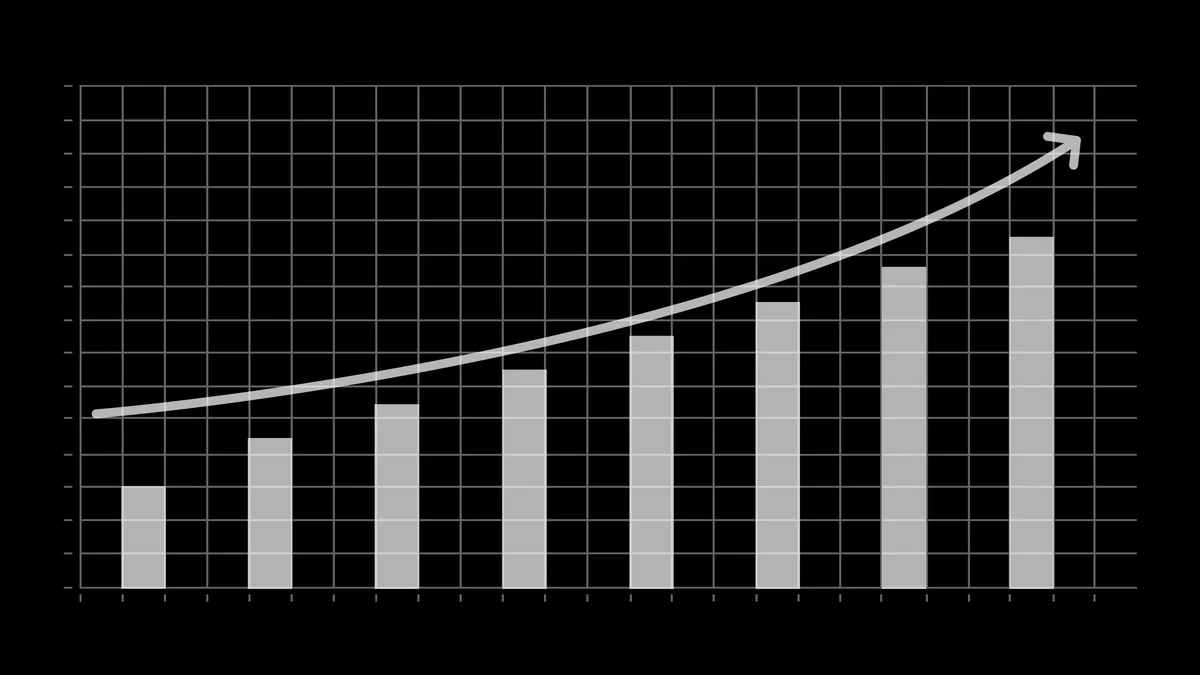
The hyaluronic acid raw material market reflects robust, multi-year structural growth underpinned by an aging global population, the mainstreaming of minimally invasive aesthetic procedures, and the expanding clinical footprint of HA-based therapeutics. Based on reconciled data from multiple industry sources, the following year-by-year forecast is presented for the 2026–2032 period:
Source: forecast table in this report
| Year | Market Size (USD Billion) | Year-on-Year Growth (%) |
|---|---|---|
| 2026 | 8.72 | Baseline |
| 2027 | 9.30 | 6.6% |
| 2028 | 9.93 | 6.8% |
| 2029 | 10.59 | 6.7% |
| 2030 | 11.30 | 6.7% |
| 2031 | 12.05 | 6.6% |
| 2032 | 12.83 | 6.5% |
The market demonstrates a consistent and resilient growth trajectory across the forecast window. The cosmetics and dermatology segment continues to provide a stable demand base, while pharmaceutical and orthopedic applications are adding incremental volume as new HA-based drug formulations gain regulatory approval. The shift from commodity-grade raw material to pharmaceutical-grade and ultrapure-grade HA is also contributing to revenue growth on a value-per-kilogram basis, even in markets where volume growth is moderate. Industry estimates suggest that pharmaceutical-grade HA commands a price premium of 30–60% over cosmetic-grade material, making application mix a critical variable in forecasting market value.

Key Drivers
Several structural and cyclical forces are propelling sustained expansion in the hyaluronic acid raw material market through 2032.
Rising Prevalence of Osteoarthritis and Joint Disorders: Global aging demographics are directly translating into higher demand for viscosupplementation therapies, where HA is injected into synovial joints to restore lubrication. The World Health Organization estimates that osteoarthritis affects more than 528 million people globally, with prevalence accelerating in populations over 60. This clinical burden creates a sustained, recurring demand channel for high-molecular-weight HA raw materials.
Mainstreaming of Aesthetic and Anti-Aging Procedures: Dermal fillers based on cross-linked hyaluronic acid have become one of the most performed non-surgical cosmetic procedures globally. The normalization of aesthetic treatments across younger demographics — not just mature consumers — is broadening the addressable patient population significantly. This trend is particularly pronounced in South Korea, the United States, Brazil, and several Western European markets.
Advancements in Microbial Fermentation Technology: Biosynthetic HA produced via Streptococcus or Bacillus fermentation processes offers consistent molecular weight profiles, eliminates zoonotic contamination risk, and aligns with growing vegan and cruelty-free consumer preferences. Continuous improvements in fermentation yield and downstream purification efficiency are reducing cost-per-gram of pharmaceutical-grade HA, making it more accessible for emerging applications.
Expanding Drug Delivery Applications: HA's bioadhesive and receptor-targeting properties make it a promising excipient in targeted oncology and ophthalmic drug delivery. CD44 receptor overexpression in multiple tumor types has spurred academic and commercial research into HA-conjugated nanoparticle delivery systems, opening a pipeline of next-generation pharmaceutical applications that were commercially negligible a decade ago.
Growth of Ophthalmology Procedures: Cataract surgeries, which require ophthalmic-grade HA as a viscoelastic device, are among the most frequently performed surgical procedures globally. The global increase in cataract incidence, combined with improving surgical access in Asia-Pacific and Latin America, is generating steady incremental demand for high-purity ophthalmic HA.

Restraints & Challenges
Despite a favorable demand backdrop, the hyaluronic acid raw material market contends with several challenges that suppliers and downstream manufacturers must manage carefully.
Price Erosion from Chinese Commodity Producers: China accounts for an estimated 80% or more of global HA raw material production by volume, with manufacturers such as Bloomage Biotechnology and Shandong Focuschem Biotech commanding significant scale advantages. This concentration has driven substantial price erosion in cosmetic-grade HA over the past decade, compressing margins for mid-tier suppliers and posing barriers to new entrants attempting to compete on cost.
Stringent Regulatory Requirements for Pharmaceutical-Grade Material: Raw materials destined for injectable pharmaceutical formulations must meet exacting pharmacopeial standards — including USP, EP, and JP monograph compliance — as well as facility-level GMP certification requirements. The cost and lead time of achieving and maintaining these certifications can be prohibitive for smaller producers, limiting competitive participation and supply chain diversification options for buyers.
Supply Chain Concentration Risk: The heavy reliance on a small number of large Chinese manufacturers creates geopolitical supply chain vulnerability. Trade policy shifts, export restrictions, or quality incidents at major Chinese production sites could disrupt global availability, a risk that gained renewed attention following pandemic-era supply chain dislocations.
Complex Cross-Linking Chemistry for End-Product Manufacturers: While raw HA is a commodity input, the performance of finished dermal fillers and orthopedic products depends on proprietary cross-linking technologies applied by downstream manufacturers. This means that the raw material supplier's ability to provide consistent and tailored molecular weight distributions is critical — and technically demanding — limiting the pool of qualifying suppliers for premium applications.
Potential Substitution from Emerging Biomaterials: Research into alternative scaffolding polymers, including collagen, chondroitin sulfate, and synthetic hydrogels, continues to advance. While HA maintains strong clinical and aesthetic track records, the long-term risk of partial substitution in specific applications — particularly in tissue engineering scaffolds — warrants monitoring.

Segmentation
The hyaluronic acid raw material market is analyzed across three primary dimensions: source type, application, and end user. Each segmentation axis reveals distinct growth profiles and competitive dynamics.
By Source (Type):
- Microbial Fermentation-Derived HA: This is now the dominant production pathway globally and commands the largest and fastest-growing segment share. Fermentation-derived HA offers pharmaceutical-grade purity, freedom from animal-derived contamination, scalable production, and alignment with regulatory expectations in major markets. The segment is expected to continue gaining share from animal-derived alternatives throughout the forecast period, with industry estimates suggesting it accounts for over 70% of production volume at the global level.
- Animal-Derived HA: Historically extracted from rooster combs, animal-derived HA remains in use in some established product lines, particularly in certain ophthalmic and orthopedic formulations. However, regulatory headwinds regarding viral safety, declining producer investment, and shifting customer preferences have placed this segment on a structurally declining trajectory in value terms, though it retains niche importance in certain geographies.
By Application:
- Dermatology / Dermal Fillers: The largest single application segment by value. The global aesthetic medicine boom has made HA-based dermal fillers the reference standard for soft-tissue augmentation and wrinkle correction, generating consistent high-value demand for cosmetic- and injectable-grade raw material.
- Ophthalmology: Ophthalmic-grade HA is used as a viscoelastic surgical aid in cataract and other intraocular procedures, as well as in dry eye disease treatment formulations. This segment demands the highest purity specifications and commands premium pricing.
- Orthopedics: Intra-articular HA injections for osteoarthritis management represent a mature but volume-stable application. Ongoing clinical research into extended-release and combination HA formulations may re-energize this segment during the forecast period.
- Drug Delivery: An emerging, high-growth application leveraging HA's CD44-receptor binding affinity for targeted oncology, anti-inflammatory, and ophthalmic drug delivery systems. Industry estimates suggest this segment is growing at a double-digit rate from a relatively small base.
- Medical Device Coating, Surgical Adhesion Prevention, Biomaterials & Implants, Cell and Tissue Preservation: Collectively, these applications represent specialized, lower-volume but higher-margin demand channels that are expected to grow as medical device innovation accelerates.
By End User:
- Hospitals: Primary consumption of pharmaceutical- and medical-grade HA through inpatient and outpatient procedures including cataract surgery, viscosupplementation, and wound management.
- Cosmetic Clinics: The fastest-growing end-user segment by volume, driven by the global proliferation of medical aesthetic service providers and increasing procedure frequency per patient. This segment consumes high volumes of cosmetic-grade dermal filler raw material.
- Pharmaceutical and Biotechnology Companies: Manufacturers of finished HA-based pharmaceutical products requiring bulk raw material inputs meeting GMP and pharmacopeial standards.
- Other End Users: Includes nutraceutical companies, cosmeceutical brands, veterinary medicine applications, and academic research institutions.

Regional Analysis
Geographic demand patterns in the hyaluronic acid raw material market reflect differences in healthcare infrastructure, regulatory frameworks, aesthetic treatment adoption, and manufacturing capability.
North America: North America is the largest regional market by revenue, a position attributed to a well-developed pharmaceutical industry, high per-capita spending on aesthetic procedures, and established clinical use of HA in orthopedics and ophthalmology. The United States accounts for the dominant share within the region. The FDA's rigorous approval pathway for injectable HA-based medical devices and drug products underpins consistent premium-grade raw material demand. The region also benefits from strong distribution infrastructure enabling rapid supply to end formulators. Industry estimates suggest North America accounts for roughly 30–35% of global market value.
Europe: Europe is the second-largest market, with Germany, France, Italy, the United Kingdom, and Spain representing the major demand centers. The CE marking pathway under EU MDR 2017/745 governs most HA-based medical devices and has raised quality expectations for raw material suppliers entering European supply chains. The European aesthetic medicine market is mature and sophisticated, with strong clinical training infrastructure supporting procedure growth. Mordor Intelligence estimates a CAGR of approximately 5.72% for Europe through the forecast window, reflecting steady expansion.
Asia-Pacific: Asia-Pacific is the fastest-growing regional market, driven by China, Japan, South Korea, India, and increasingly Southeast Asian economies. China is simultaneously the world's largest producer and one of its fastest-growing consumers of HA raw materials. South Korea's position as a global hub for medical aesthetics — with internationally recognized dermal filler brands and K-beauty influence — creates strong domestic and export-linked demand. Japan maintains a sophisticated ophthalmology sector. India is emerging as a meaningful growth market for both pharmaceutical and aesthetic HA applications. Mordor Intelligence estimates Asia-Pacific growth at a CAGR of approximately 6.08%, making it the fastest-growing region globally.
Latin America (LATAM): Latin America represents a growing market with Brazil and Mexico serving as the primary demand generators. Brazil has one of the highest per-capita rates of cosmetic procedures globally and a robust private medical aesthetics sector that drives meaningful dermal filler raw material consumption. Argentina, Colombia, and Chile are secondary but growing markets. Regulatory harmonization efforts across ANVISA (Brazil) and COFEPRIS (Mexico) are gradually improving access to pharmaceutical-grade inputs. Industry estimates suggest LATAM accounts for approximately 5–7% of global market value, with a growth rate above the global average driven by procedure volume growth and expanding middle-class healthcare access. A CAGR of approximately 5.85% is estimated for South America through the forecast period.
Middle East & Africa (MEA): The MEA region is the smallest but one of the most dynamic emerging markets for HA raw materials. The Gulf Cooperation Council countries — particularly the UAE and Saudi Arabia — have developed thriving medical tourism and aesthetic medicine industries that generate premium-grade HA demand disproportionate to their population size. South Africa serves as a distribution gateway for sub-Saharan African demand. Vision 2030 initiatives in Saudi Arabia include significant healthcare infrastructure investment that is expected to expand HA consumption in pharmaceutical and ophthalmic segments. Industry estimates suggest the MEA region will record above-average growth through 2032 as healthcare modernization accelerates.

Competitive Landscape
The hyaluronic acid raw material market exhibits a low-to-moderate concentration structure at the global level, with Chinese producers dominating volume output while specialty manufacturers in Europe, Japan, and the United States compete on purity, consistency, and regulatory certification credentials. The competitive intensity is highest in the cosmetic-grade segment; pharmaceutical-grade supply remains more consolidated due to GMP certification barriers.
- Bloomage Biotechnology Corporation (China): The world's largest hyaluronic acid raw material manufacturer by volume, Bloomage has built a vertically integrated platform spanning fermentation-derived raw material through branded finished products. The company supplies global pharmaceutical, cosmetic, and food-grade HA and has made significant investments in R&D and international regulatory certifications.
- Shandong Focuschem Biotech Co., Ltd. (China): A major Chinese HA producer with strong capabilities in both cosmetic- and pharmaceutical-grade microbial fermentation HA, supplying global customers across multiple application segments with competitive pricing and expanding quality certifications.
- Kewpie Corporation (Japan): A well-established Japanese manufacturer of food-grade and cosmetic-grade HA derived from both fermentation and historical rooster comb sources, with a strong presence in the Japanese and broader Asia-Pacific market and a recognized reputation for quality consistency.
- Contipro a.s. (Czech Republic): A European specialty producer of high-molecular-weight pharmaceutical-grade and cosmetic-grade HA, known for proprietary cross-linking and derivatization technologies that serve demanding medical device and drug delivery applications. Contipro has a strong IP portfolio and partners with major global formulators.
- HTL Biotechnology (France): A dedicated HA raw material specialist offering a portfolio of pharmaceutical-grade HA with USP, EP, and JP pharmacopeial compliance, serving injectable and ophthalmic applications globally with a focus on traceability and European regulatory alignment.
- Lifecore Biomedical (USA): A U.S.-based CDMO and HA manufacturer specializing in highly purified, ophthalmic-grade and injectable-grade fermentation HA. Lifecore's FDA-registered facility and aseptic manufacturing capabilities position it as a premium supplier for North American pharmaceutical and medical device customers.
- Shiseido Company, Ltd. (Japan): While primarily a consumer cosmetics brand, Shiseido's specialty chemicals division is a recognized HA raw material supplier for cosmetic applications, with proprietary fermentation technology and global distribution reach.
Competitive strategies in this market increasingly center on securing pharmacopeial certifications across multiple regulatory jurisdictions, demonstrating supply chain transparency, differentiating on molecular weight control and custom specification capabilities, and building long-term supply agreements with major pharmaceutical and device manufacturers. Price competition remains intense in the cosmetic-grade segment, though sustainability credentials and non-animal sourcing are becoming secondary differentiators with brand-conscious end-product manufacturers.

Recent Developments
The hyaluronic acid raw material sector has seen a series of noteworthy developments that are reshaping competitive dynamics, supply chains, and application frontiers:
- Fermentation Technology Upgrades: Multiple leading Chinese producers have announced capital investment programs to upgrade fermentation tank capacity and implement continuous bioprocessing technologies. These investments are expected to increase yields and reduce the cost of pharmaceutical-grade HA, potentially accelerating price competition in mid-tier pharmaceutical applications.
- Regulatory Approvals for Novel HA Drug Delivery Systems: Several biotechnology companies in the United States and Europe have received IND clearances or advanced clinical trials for HA-conjugated drug delivery platforms targeting oncology indications. These programs, if successful, would open high-volume new demand channels for pharmaceutical-grade HA raw material from the late 2020s onward.
- Sustainability Initiatives: Leading producers including Bloomage Biotechnology have publicly communicated sustainability roadmaps covering fermentation process efficiency, water recycling in purification, and carbon intensity reduction targets, responding to ESG pressure from global cosmetic brand customers with supply chain sustainability commitments.
- Geographic Supply Chain Diversification: Several Western pharmaceutical companies have initiated dual-sourcing strategies, qualifying European or Japanese HA suppliers as secondary sources to reduce dependence on Chinese production, a trend accelerated by supply chain risk management lessons from 2020–2022.
- Expansion of HA in Nutraceuticals and Oral Supplements: The growth of food-grade HA in oral joint health and skin health supplement formulations, particularly in Japan, the United States, and increasingly in Europe, is creating a new demand tier with different purity requirements and regulatory pathways compared to injectable medical applications.
- Cross-Linking Technology Licensing: Specialty HA producers with proprietary cross-linking chemistries have entered licensing arrangements with regional dermal filler manufacturers seeking to launch branded products in emerging markets, enabling technology transfer while expanding the addressable market for premium HA raw material inputs.
Frequently Asked Questions
Q1: What is the current size of the hyaluronic acid raw material market?
Based on reconciled data from multiple industry research sources, the global hyaluronic acid raw material market was valued at approximately USD 8.72 billion in 2026. It is projected to reach USD 12.83 billion by 2032, growing at a compound annual growth rate (CAGR) of approximately 6.71% over the 2026–2032 forecast period.
Q2: What are the primary production methods for hyaluronic acid raw materials?
Hyaluronic acid raw materials are produced through two principal methods: microbial fermentation and animal tissue extraction. Microbial fermentation — typically using Streptococcus zooepidemicus or engineered Bacillus subtilis strains — now accounts for the majority of global production volume due to its ability to deliver consistent purity, freedom from zoonotic contamination risk, and scalability. Animal-derived HA, historically extracted from rooster combs or bovine vitreous humor, remains a minority and declining share of total supply.
Q3: Which application segment generates the most demand for hyaluronic acid raw materials?
Dermatology and cosmetic dermal filler applications represent the largest single demand segment by value. The global expansion of non-surgical aesthetic procedures, including soft-tissue augmentation and facial volumization using cross-linked HA fillers, drives high-volume consumption of injectable-grade raw material. Ophthalmology and orthopedic viscosupplementation are the next largest established segments, while drug delivery is the fastest-growing emerging application.
Q4: Which region leads the hyaluronic acid raw material market and which is growing fastest?
North America is currently the largest regional market by revenue, supported by high per-capita healthcare and aesthetics spending, a large pharmaceutical manufacturing base, and established clinical utilization. Asia-Pacific is the fastest-growing region, with China serving as both the dominant global production hub and a rapidly expanding consumer market. South Korea, Japan, and India are significant contributors to regional growth dynamics. Latin America — led by Brazil and Mexico — is also recording above-average growth driven by the expansion of aesthetic medicine.
Q5: What are the key factors differentiating premium-grade from standard-grade hyaluronic acid raw materials?
Premium pharmaceutical- and ophthalmic-grade hyaluronic acid raw materials are differentiated by molecular weight precision and consistency, residual endotoxin levels, heavy metal content, protein impurity profiles, and compliance with major pharmacopeial monographs including USP, European Pharmacopoeia (EP), and Japanese Pharmacopoeia (JP). Manufacturers supplying pharmaceutical-grade HA must maintain FDA-registered and EMA-compliant GMP facilities. These quality and regulatory requirements justify a significant price premium — industry estimates suggest 30–60% above cosmetic-grade material — and substantially limit the pool of qualified suppliers.
Related reports
Dicalcium Phosphate Market Size, Share & Forecast 2026-2032
1.64 USD bn
Estimated market size in 2032
- 2027
- 1.26 USD bn
- Forecast period
- 2027–2032
Rubber Processing Chemicals Market Size, Share & Forecast 2026-2032
7.78 USD bn
Estimated market size in 2032
- 2026
- 6.00 USD bn
- Forecast period
- 2026–2032
Agrochemical Market Size, Share & Forecast 2026-2032
412.7 USD bn
Estimated market size in 2032
- 2026
- 317.0 USD bn
- Forecast period
- 2026–2032