Market report
Agrochemical Market Size, Share & Forecast 2026-2032
The global agrochemicals market is projected to grow steadily through 2032, driven by rising food demand, population growth, and advanced crop protection needs.
Market summary
- Market size, 2026
- 317.0 USD Billion
- Market size, 2032
- 390.8 USD Billion
- Forecast period
- 2026–2032
Source: figures from the forecast table published in this report.

Executive Summary
The global agrochemicals market stands at a pivotal growth phase, underpinned by accelerating demand for food security, technological advancements in crop science, and intensifying agricultural productivity pressures worldwide. Based on triangulated data from multiple industry sources, the market was valued at approximately USD 307–317 billion in 2025–2026 and is forecast to surpass USD 364–412 billion by 2031–2033, with compound annual growth rates cited between 3.7% and 5.4% depending on scope and methodology.
Agrochemicals encompass fertilizers, pesticides (insecticides, herbicides, fungicides, nematicides), plant growth regulators, and adjuvants. These inputs are critical across cereal and grain cultivation, oilseeds and pulses, fruits and vegetables, and commercial crops. The Asia-Pacific region dominates global consumption, accounting for over 43% of market share, while North America and Europe maintain significant positions due to high-input agriculture and robust regulatory frameworks.
- Market size (2026 est.): USD 317 billion
- Market size (2032 est.): USD ~390 billion
- CAGR (2026–2032): approximately 4.5–5.4%
- Dominant region: Asia-Pacific
- Fastest-growing segment: Biopesticides and specialty fertilizers
- Key growth trigger: Global population projected to reach 8.5 billion by 2030, requiring ~50% more food production by 2050
Market Size & Forecast
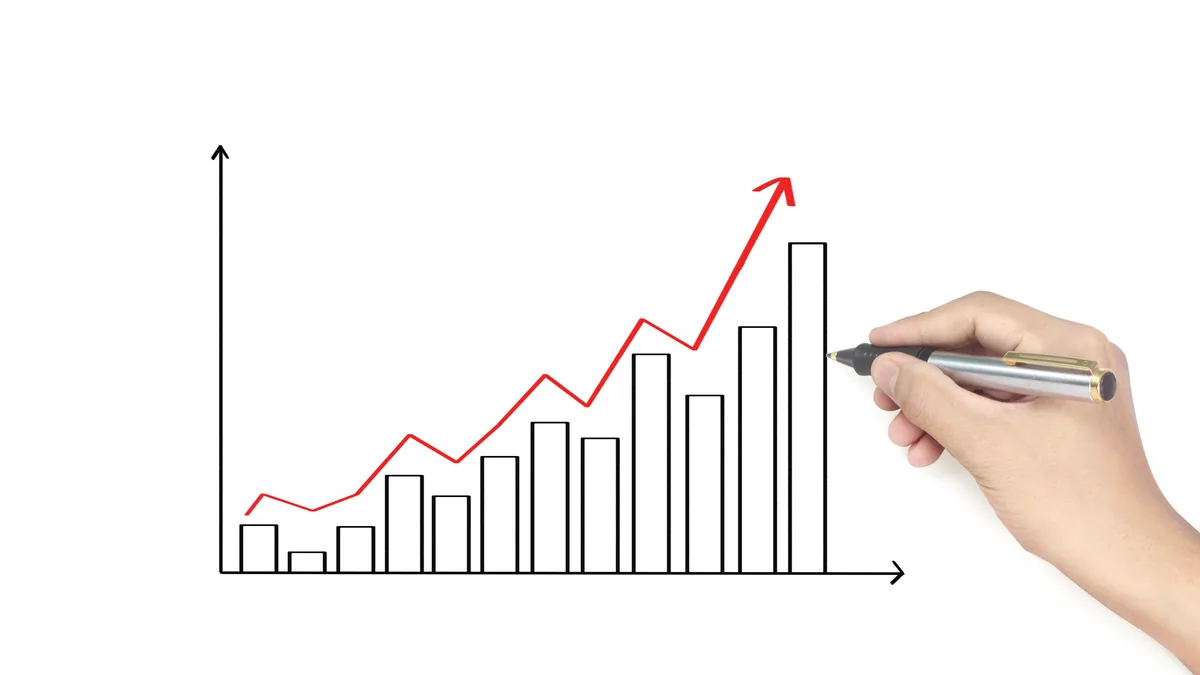
Multiple independent research firms place the agrochemicals market in a robust expansion trajectory through the early 2030s. MarketsandMarkets estimated the market at USD 235.2 billion in 2023 growing to USD 282.2 billion by 2028 at a CAGR of 3.7%, while Mordor Intelligence estimated the 2026 market at USD 317 billion expanding to USD 412.4 billion by 2031 at 5.4% CAGR. Research and Markets projects a value of USD 252.1 billion in 2026 reaching USD 364.3 billion by 2033 at a CAGR of 5.4%. IMARC Group values the 2025 market at USD 307.2 billion with a forecast of USD 406.2 billion by 2034.
The variance across estimates reflects differing scope definitions — some include only crop protection chemicals while others incorporate fertilizers and plant growth regulators. For the purpose of this report, the broader definition encompassing fertilizers, pesticides, adjuvants, and plant regulators is adopted. Industry estimates suggest the market will reach approximately USD 385–395 billion by 2032, representing a CAGR of roughly 4.5–5.0% over the 2026–2032 period.
Source: forecast table in this report
| Year | Estimated Market Size (USD Billion) | YoY Growth (%) |
|---|---|---|
| 2026 | 317.0 | — |
| 2027 | 333.2 | 5.1% |
| 2028 | 350.2 | 5.1% |
| 2029 | 358.0 | 2.2% |
| 2030 | 368.5 | 2.9% |
| 2031 | 379.4 | 3.0% |
| 2032 | 390.8 | 3.0% |
Note: Figures represent consensus-blended industry estimates derived from published third-party market research. Growth rates reflect annual variations driven by commodity price cycles, regulatory shifts, and regional demand fluctuations.
Key Drivers
Several structural and cyclical forces are propelling the agrochemicals market forward through the forecast period. Understanding these drivers helps stakeholders identify where investment and product development opportunities are most concentrated.
1. Rising Global Population and Food Security Imperatives
With global population on track to exceed 9.7 billion by 2050, the United Nations Food and Agriculture Organization (FAO) estimates that global food production must increase by approximately 50% relative to 2012 levels. Agrochemicals remain one of the most cost-effective tools for boosting per-hectare yields, particularly in developing markets where arable land expansion is limited.
2. Shrinking Arable Land and Climate Stress
Urbanization, soil degradation, and desertification are reducing the availability of cultivable land globally. Simultaneously, erratic precipitation patterns, rising temperatures, and prolonged droughts are intensifying pest and disease pressure on crops, pushing farmers toward chemical crop protection solutions for yield stability.
3. Government Agricultural Support Programs
Subsidized fertilizer programs in India, China, Brazil, and several African nations directly stimulate agrochemical demand. Policy mandates focused on domestic food self-sufficiency — especially post-COVID supply chain disruptions — have reinforced public investment in agricultural inputs.
4. Adoption of Precision and Technology-Enhanced Agriculture
The integration of drone-based application, GPS-guided variable rate technology, and IoT-enabled soil sensors is improving the efficiency and efficacy of agrochemical use. Rather than reducing volume, precision agriculture often increases the value of agrochemical inputs per acre by enabling targeted, high-value applications.
5. Expansion of Bioagrochemicals
Biopesticides and biostimulants — derived from natural organisms or substances — are among the fastest-growing segments at an estimated CAGR of over 13% (Mordor Intelligence), attracting investment from both large agrochemical corporations and venture-backed startups seeking sustainable alternatives to synthetic chemistry.

Restraints & Challenges
Despite positive growth fundamentals, the agrochemicals market faces meaningful headwinds that could moderate expansion rates and reshape competitive dynamics over the 2026–2032 period.
Stringent Regulatory Frameworks
The European Union's Farm to Fork Strategy targets a 50% reduction in synthetic pesticide use by 2030. Similar tightening is observed in the United States (EPA reassessments of glyphosate and neonicotinoids), Canada, and increasingly in South and Southeast Asia. Product bans, re-registration requirements, and Maximum Residue Limit (MRL) revisions impose significant compliance costs on manufacturers and can rapidly reduce the addressable market for specific molecules.
Environmental and Health Concerns
Growing scientific evidence linking certain pesticide classes to pollinator decline, soil microbiome degradation, and human health risks (endocrine disruption, carcinogenicity) is fueling consumer-driven pressure on food retailers and agricultural supply chains. This translates into increasing demand for residue-free or organically certified produce, constraining conventional agrochemical uptake in premium market segments.
Commodity Price Volatility
Agrochemical manufacturers face input cost pressures tied to energy prices (critical for nitrogen fertilizer production), phosphate rock availability, and sulfur supply. Geopolitical disruptions — including restrictions on Russian and Belarusian potash exports following the 2022 conflict — have introduced significant price instability in fertilizer markets, compressing farmer margins and reducing purchasing power for agrochemical inputs.
Counterfeit and Substandard Products
CropLife International estimates that counterfeit pesticides account for 10–25% of the market in certain emerging economies. These products damage crops, expose farmers to safety risks, undermine brand equity for legitimate manufacturers, and erode market pricing discipline.
Resistance Development
Documented cases of herbicide-resistant weeds (over 500 species globally) and insecticide-resistant pest populations are shortening the effective commercial life cycles of active ingredients, requiring ongoing R&D investment and driving up the cost of new molecule development.

Segmentation
The agrochemicals market is segmented across product type, crop type application, and end-user to capture the full spectrum of demand dynamics.
By Type (Product Category)
Fertilizers constitute the largest segment by value, encompassing nitrogen (urea, ammonium nitrate), phosphate (DAP, MAP), potassium (MOP, SOP), and specialty fertilizers (micronutrients, controlled-release formulations). Fertilizers account for the majority of total agrochemical market value given their high application volumes and critical role in yield determination.
Pesticides represent the second-largest and higher-margin segment, subdivided into:
- Herbicides: The largest pesticide sub-category globally, used extensively in row crops including corn, soybeans, wheat, and rice. Glyphosate remains the dominant active ingredient by volume.
- Insecticides: Driven by demand across fruits, vegetables, and cereals. Organophosphates, pyrethroids, neonicotinoids, and diamides are key chemical classes.
- Fungicides: Critical for high-value crops including grapes, fruits, and vegetables. Triazoles and strobilurins dominate this segment. Fungicide demand is rising in Asia-Pacific due to expanded high-value horticulture.
- Nematicides: A smaller but growing segment, particularly relevant in banana, tomato, and potato cultivation.
- Biopesticides: The fastest-growing sub-segment, projected to grow at a CAGR exceeding 13% through the forecast period (Mordor Intelligence), including microbial pesticides, plant-incorporated protectants, and biochemical pesticides.
Plant Growth Regulators and Adjuvants form a smaller but value-accretive segment, increasingly used in precision farming applications.
By Crop Type (Application)
- Cereals & Grains (wheat, corn, rice, barley): The largest application segment, accounting for the highest agrochemical consumption globally by volume.
- Oilseeds & Pulses (soybeans, canola, sunflower, lentils): A significant consumer of herbicides, particularly in the Americas.
- Fruits & Vegetables: The highest value-per-acre application segment, driving demand for specialty fungicides, insecticides, and biostimulants.
- Commercial Crops (cotton, sugarcane, tobacco): Notable consumers of insecticides and herbicides, particularly in South Asia, Africa, and Brazil.
- Turf & Ornamentals: A niche but growing segment in developed markets.
By End-User
- Large-Scale Commercial Farms: Dominant purchasers of agrochemicals by volume, particularly in North America, Brazil, and Australia. These operators favor branded, high-efficacy products with technical support.
- Small & Marginal Farmers: Represent the largest user base by number of farmers, concentrated in Asia and Sub-Saharan Africa. Price sensitivity is high; generic and off-patent products dominate this segment.
- Contract Farming Organizations: Increasingly important as agribusiness consolidation drives procurement efficiencies, particularly in Southeast Asia and Latin America.
- Governments & Cooperatives: Key buyers in markets with subsidized input distribution schemes (India, Pakistan, Kenya, Egypt).
Regional Analysis
Regional demand patterns in the agrochemicals market are shaped by farm structure, crop mix, regulatory environment, and government agricultural policy. Asia-Pacific is the uncontested market leader, while growth opportunities are increasingly materializing in Latin America and Africa.
Asia-Pacific
Asia-Pacific accounts for over 43% of global agrochemical market value (IMARC Group, 2025), making it both the largest and fastest-growing major region. China and India are the primary demand centers, driven by vast arable land bases, government fertilizer subsidy programs, and intensifying pressure on per-hectare yields. Southeast Asia — particularly Vietnam, Indonesia, Thailand, and the Philippines — is a rising sub-region driven by rice, palm oil, and rubber cultivation. The region is also the manufacturing hub for generic agrochemicals, with Chinese producers exporting active ingredients globally. Mordor Intelligence identifies Asia-Pacific as both the largest and fastest-growing regional market at a CAGR of approximately 7.4%.
North America
North America represents a mature, high-value agrochemicals market, characterized by large-scale mechanized farming, high per-acre input intensity, and strong regulatory oversight from the EPA and Health Canada. The United States is by far the dominant market, with significant demand concentrated in the Corn Belt (corn and soybean production) and the Pacific Coast (fruits and vegetables). Innovation in biologicals and precision application technology is a key growth vector. Consolidation among distributors (e.g., Nutrien Ag Solutions, Winfield United) is reshaping go-to-market strategies for major manufacturers.
Europe
Europe is the most heavily regulated agrochemical market globally. The EU's Farm to Fork Strategy, Green Deal, and the Sustainable Use of Pesticides Regulation (SUR) are reshaping the product portfolio of chemical companies operating in the region. France, Germany, and Spain are the largest national markets. The region is seeing accelerated substitution of synthetic pesticides with biopesticides and integrated pest management (IPM) solutions. The net market effect is modest volume reduction in conventional pesticides offset by premiumization of biological and specialty products. Industry estimates suggest Europe's CAGR will trail global averages at approximately 2.5–3.5% through 2032.
Latin America
Latin America — particularly Brazil and Argentina — is among the world's highest-growth regions for agrochemicals, fueled by ongoing expansion of the agricultural frontier (Cerrado biome in Brazil), rising soybean and corn exports, and a relatively favorable regulatory environment compared to Europe. Brazil is the single largest national market for pesticides globally by some estimates, driven by scale soy, corn, and sugarcane operations. Mexico and Colombia are secondary growth markets, with significant activity in fruits, vegetables, and coffee. Mordor Intelligence estimates the region's CAGR at approximately 6.6% through the forecast period. Argentina's agrochemical demand is sensitive to currency and export tax dynamics, creating periodic demand volatility.
Middle East & Africa (MEA)
The MEA region represents the smallest current market share but holds substantial long-term potential. Sub-Saharan Africa is chronically underfertilized relative to global averages — average fertilizer application rates in Africa are a fraction of Asian or North American levels — presenting a significant structural opportunity. Nigeria, Ethiopia, Kenya, and South Africa are key sub-Saharan markets. North Africa (Egypt, Morocco) is characterized by more intensive irrigated agriculture and higher chemical input usage. The Middle East presents niche demand in protected horticulture and date palm cultivation. Access to finance, infrastructure constraints, and distribution network gaps remain the primary barriers to faster market development.

Competitive Landscape
The global agrochemicals market exhibits medium concentration at the top, with six to eight multinational corporations controlling a significant share of patented chemistry and distribution networks, alongside a fragmented base of regional generics manufacturers — particularly in China and India — competing aggressively on price in off-patent segments.
- Bayer AG (Germany): Following its acquisition of Monsanto in 2018, Bayer is one of the world's largest integrated crop science companies, with leading positions in herbicides (glyphosate), insecticides, fungicides, and seed treatment technologies.
- Syngenta Group (Switzerland/China): Owned by ChemChina since 2017, Syngenta holds market-leading positions in fungicides and insecticides and operates one of the industry's largest R&D pipelines, with a strong presence across Europe, Asia-Pacific, and the Americas.
- BASF SE (Germany): A global leader in fungicides, herbicides, and nematicides following its acquisition of significant Bayer crop protection assets in 2018; also a major player in the fast-growing biological crop protection segment.
- Corteva Agriscience (USA): Spun off from DowDuPont in 2019, Corteva focuses on seeds and crop protection with flagship products including Enlist herbicide systems and Zorvec fungicides.
- UPL Limited (India): One of the world's largest post-patent agrochemical companies following the acquisition of Arysta LifeScience; operates in over 130 countries with a broad portfolio of herbicides, insecticides, and fungicides.
- FMC Corporation (USA): Known for its premium insecticide portfolio including Rynaxypyr (chlorantraniliprole) — one of the world's best-selling insecticide active ingredients — and a growing biologicals pipeline.
- Nutrien Ltd. (Canada): The world's largest producer of potash and a major nitrogen and phosphate fertilizer supplier, with an integrated retail agricultural inputs distribution network across North America.
Chinese manufacturers including Wynca Group, Jiangsu Yangnong Chemical, and Nufarm (via its generics portfolio) play an increasingly important role in the global supply chain, particularly as active ingredient exporters to formulation markets across Asia, Africa, and Latin America. The competitive environment is intensifying as patent expirations create openings for generic entrants in formerly protected molecule categories.

Recent Developments
The agrochemicals industry has seen significant strategic, regulatory, and technological developments that are likely to shape competitive dynamics through the 2026–2032 forecast window.
Accelerated Biologicals Investment
Major agrochemical multinationals have materially increased investment in biological crop protection. Bayer's Biologics division, Syngenta's Valagro platform (acquired 2020), and BASF's Agricultural Solutions biologicals business all reflect a strategic pivot toward microbiome-based, RNA interference (RNAi), and pheromone-based pest control solutions that carry lower regulatory risk and align with sustainability mandates from food retailers and institutional investors.
Glyphosate Litigation and Market Repositioning
Bayer has faced tens of thousands of U.S. lawsuits related to glyphosate's alleged carcinogenicity, with cumulative settlement costs exceeding USD 10 billion. This has prompted the company to announce plans to remove glyphosate-based products from the U.S. residential market by 2023, while maintaining agricultural sales. The litigation environment has accelerated R&D into next-generation herbicide modes of action.
Neonicotinoid Restrictions Expanding
Following the EU's comprehensive ban on outdoor use of clothianidin, imidacloprid, and thiamethoxam (implemented 2019), additional restrictions on emergency use authorizations have been progressively tightened. The UK post-Brexit has grappled with similar pressures. This regulatory trend is driving investment in alternative insecticide chemistries, including diamides, SDHI compounds, and biological alternatives.
Digital Agriculture Integration
Agrochemical companies are increasingly bundling digital services with product sales. Bayer's Climate FieldView platform, Syngenta's Cropwise operating system, and BASF's xarvio digital farming platform are examples of ecosystem strategies designed to build data-driven farmer relationships, improve agrochemical recommendation accuracy, and create switching costs versus generic competitors.
Supply Chain Restructuring Post-Pandemic
COVID-19 and subsequent geopolitical disruptions exposed concentration risks in agrochemical supply chains, particularly dependence on Chinese API (active pharmaceutical ingredient-equivalent) manufacturing. Several multinationals and mid-tier producers have initiated supply chain diversification strategies, including investment in Indian generic manufacturers and reshoring of select manufacturing to Europe and North America.
Frequently Asked Questions
Q1: What is the current size of the global agrochemicals market?
Based on multiple industry research sources, the global agrochemicals market was valued at approximately USD 307–317 billion in 2025–2026. The variance reflects differences in scope — some estimates include only crop protection chemicals while others encompass fertilizers, plant growth regulators, and adjuvants. For the broadest definition (fertilizers plus pesticides plus adjuvants plus regulators), the USD 317 billion estimate from Mordor Intelligence for 2026 is widely cited.
Q2: What CAGR is the agrochemicals market expected to grow at through 2032?
Published CAGR estimates range from 3.7% (MarketsandMarkets, narrower scope) to 5.4% (Mordor Intelligence and Research and Markets, broader scope). Industry estimates suggest a consensus CAGR of approximately 4.5–5.0% for the 2026–2032 period when accounting for the full-spectrum market definition, implying a market size of approximately USD 385–395 billion by 2032.
Q3: Which region dominates the global agrochemicals market?
Asia-Pacific is the dominant region, accounting for over 43% of global agrochemical market share as of 2025 (IMARC Group). China and India are the primary demand drivers, supported by large agricultural sectors, government input subsidy programs, and rising food demand from growing urban populations. The region is also both the largest current market and the fastest-growing region, with an estimated CAGR of approximately 7.4% through 2031 per Mordor Intelligence.
Q4: What are the main types of agrochemicals?
Agrochemicals broadly include: (1) Fertilizers — nitrogen, phosphate, potassium, and specialty/micronutrient types; (2) Pesticides — subdivided into herbicides, insecticides, fungicides, nematicides, and the fast-growing biopesticides category; (3) Plant Growth Regulators — compounds that modify plant physiological processes; and (4) Adjuvants — formulation aids that enhance the efficacy of pesticide applications. Fertilizers typically represent the largest share by market value, while pesticides command the highest margins.
Q5: Who are the leading companies in the global agrochemicals market?
The global agrochemicals market is led by a concentrated group of multinational corporations including Bayer AG, Syngenta Group, BASF SE, Corteva Agriscience, UPL Limited, FMC Corporation, and Nutrien Ltd. These companies collectively control a substantial share of patented active ingredients, distribution infrastructure, and R&D pipelines. The market also includes a large and growing cohort of Chinese and Indian generic manufacturers that compete aggressively in off-patent molecule segments, particularly in Asia, Africa, and Latin America.
Related reports
Endpoint Security Market Size, Share & Forecast 2026-2032
28.06 USD bn
Estimated market size in 2031
- 2026
- 17.76 USD bn
- Forecast period
- 2026–2031
Digital Remittance Market Size, Share & Forecast 2026-2032
38.2 USD bn
Estimated market size in 2032
- 2026
- 22.8 USD bn
- Forecast period
- 2026–2032
Aptamers Market Size, Share & Forecast 2026-2032
5.16 USD bn
Estimated market size in 2032
- 2026
- 2.34 USD bn
- Forecast period
- 2026–2032