Market report
Iodine Market Size, Share & Forecast 2026-2032
Global iodine market reaches USD 1.4 billion in 2026, projected to USD 2.1 billion by 2032 at 6.9% CAGR.
Market summary
- Market size, 2026
- 1.40 USD Billion
- Market size, 2032
- 2.10 USD Billion
- Forecast period
- 2026–2032
Source: figures from the forecast table published in this report.
Executive Summary
The global iodine market is forecast to grow from USD 1.4 billion in 2026 to USD 2.1 billion by 2032, registering a 6.9% CAGR. Approximately 36,000 metric tons of iodine are produced annually, with Chile dominating supply (~63%) from caliche-derived nitrate operations, followed by Japan (~28%) from natural gas brines.
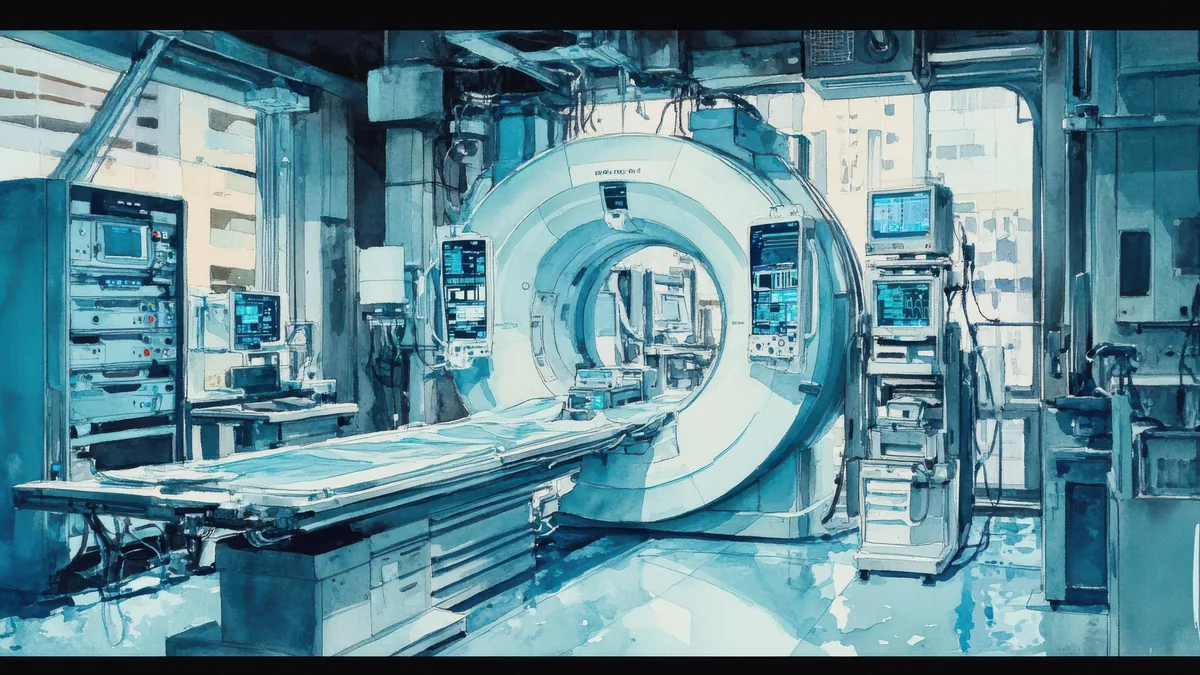
- Largest application: X-ray contrast media (24%)
- Fastest-growing segment: LCD polarizing films (CAGR 9.1%)
- Top supplier country: Chile (Atacama brines)
- 2026 spot price: USD 38-44 per kg (8-10x higher than 2014 lows)
- Demand-supply tension: structural shortage; Chinese stockpiling pressuring Western buyers

Market Size & Forecast
Source: forecast table in this report
| Year | Market Size (USD Billion) | Volume (kt) |
|---|---|---|
| 2026 | 1.40 | 36.0 |
| 2027 | 1.50 | 37.4 |
| 2028 | 1.60 | 38.8 |
| 2029 | 1.71 | 40.2 |
| 2030 | 1.83 | 41.6 |
| 2031 | 1.96 | 43.0 |
| 2032 | 2.10 | 44.4 |
Key Drivers
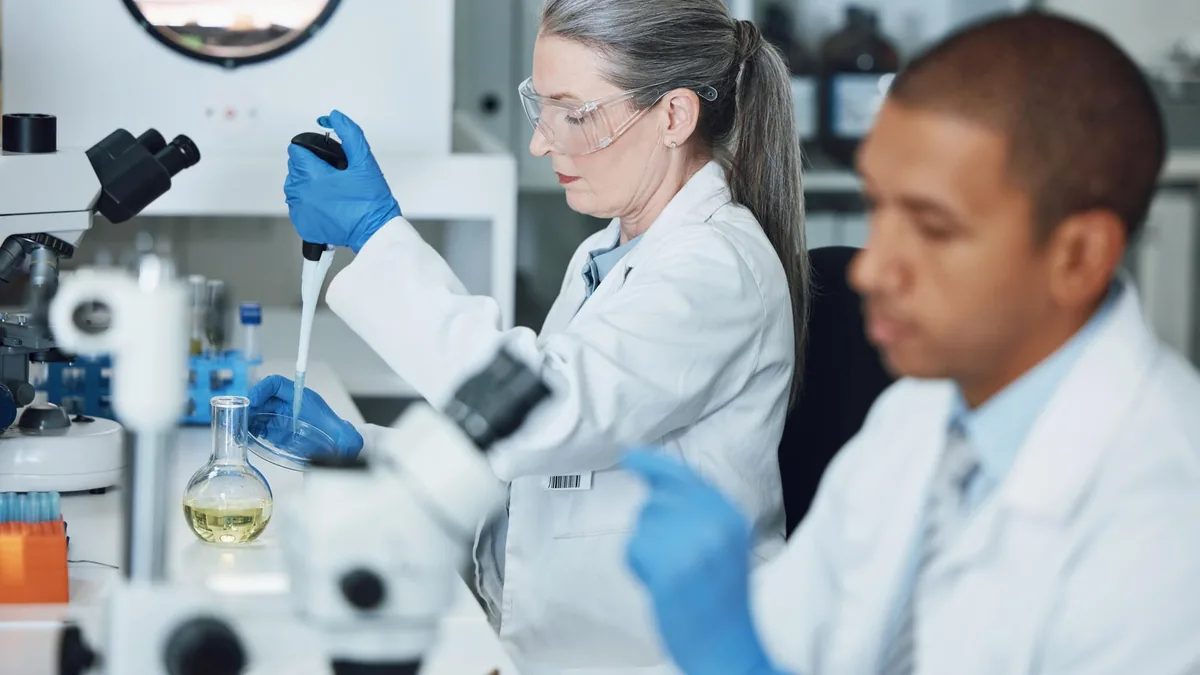
Three structural drivers underpin growth. First, expansion of medical imaging in Asia and Latin America: aging populations and improved healthcare access lift CT and angiography volumes ~7% annually, directly increasing iohexol and iopamidol demand. Second, povidone-iodine antiseptics regained momentum after COVID-era hospital protocols. Third, LCD polarizing film consumption (each square meter requires 0.6-1.2 g of iodine) grows on the back of automotive displays and large-format TVs.
An additional pull comes from animal feed (iodized salt and KIO3 supplementation) in emerging markets where livestock productivity programs scale.
Restraints & Challenges
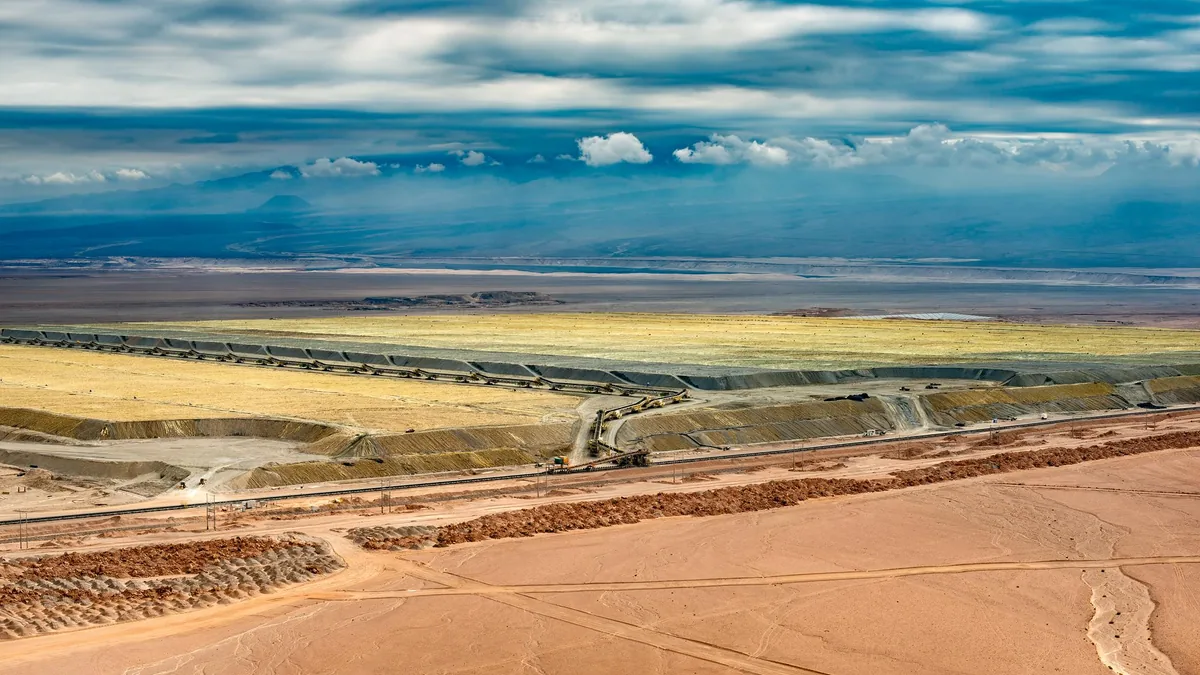
Supply concentration is the central risk. Chilean producers (SQM, Cosayach, Algorta Norte) and Japanese natural-gas brine operators (ISE Chemicals, Nippoh) account for over 90% of global output. Production is technically constrained: Chilean caliche grades are declining and Japanese brine wells are depleting at 2-3% annually. New supply from Iofina (U.S. Oklahoma brines) is limited to 800-900 t/year.
Environmental constraints in Chile (water-rights disputes in Antofagasta and Tarapacá) and price volatility (2014 trough at ~USD 18/kg vs 2024 spike near USD 70/kg) complicate procurement. Recycling from x-ray contrast media wastewater is gaining attention but remains <5% of supply.
Segmentation
By Form
- Inorganic salts (KI, KIO3, NaI) — 41%
- Iodine-organic compounds (contrast media intermediates) — 36%
- Elemental iodine — 23%
By Application
- X-ray contrast media (24%)
- Biocides & disinfectants (povidone-iodine) (18%)
- Pharmaceutical APIs (16%)
- Animal feed & iodized salt (14%)
- LCD polarizing films (11%)
- Industrial catalysts (acetic acid, herbicides) (10%)
- Others (nylon stabilizers, photographic) (7%)

Regional Analysis
APAC (43%, 7.8% CAGR) — Largest consuming region; China is the biggest single buyer for contrast media and LCD films. Japan is both a major producer (Chiba prefecture brines) and consumer.
Europe (24%) — Germany, France and Italy lead consumption via Bayer (iohexol), GE Healthcare and Bracco. Iodine is on the EU Critical Raw Materials watchlist as of 2024.
North America (19%) — U.S. demand met largely through imports from Chile and Japan; Iofina plc is the only domestic producer with meaningful output.
LATAM (10%) — Chile is the world's #1 producer-exporter; Brazil and Argentina are net importers for veterinary and pharmaceutical use.
MEA (4%) — Limited consumption; growth in Saudi Arabia healthcare infrastructure lifts demand 8-9% annually.

Competitive Landscape
- SQM (Sociedad Química y Minera de Chile) — World's largest iodine producer; ~30% global market share
- Cosayach — Chilean producer (Negreiros and Cala Cala operations)
- ACF Minera (Algorta Norte) — Chilean producer; expanded capacity to 4,500 t/year by 2025
- Iofina plc — UK-listed; only meaningful U.S. producer (Oklahoma brines)
- ISE Chemicals — Japanese producer from Chiba natural gas brines
- Nippoh Chemicals — Japan; vertically integrated into iodine derivatives
- Calogic / Algorta Norte — Smaller Chilean independents serving regional contracts

Recent Developments
- Q1 2026 — SQM announced USD 110 million investment in iodine recovery from existing nitrate tailings, targeting +1,200 t/year by 2028
- Q4 2025 — Iofina commissioned IO 12 plant in Oklahoma, raising US production to ~875 t/year
- Q3 2025 — Chinese stockpiling reportedly absorbed 18-20% of Chilean spot exports, pressuring contract prices
- Q2 2025 — EU placed iodine on the strategic raw materials review list; member states began stockpile assessments
Frequently Asked Questions
How big is the iodine market in 2026?
The global iodine market is valued at USD 1.4 billion in 2026 and is forecast to reach USD 2.1 billion by 2032, growing at a 6.9% CAGR. Annual production is approximately 36,000 metric tons.
Where does iodine come from?
Approximately 63% of global supply comes from Chile, where iodine is recovered as a co-product from caliche ore (sodium nitrate mining) in the Atacama Desert. Japan produces ~28% from natural gas brines in Chiba prefecture. Smaller volumes come from Oklahoma (USA), Turkmenistan and China.
What are the main uses of iodine?
The largest single use is X-ray contrast media (24%), followed by povidone-iodine biocides and disinfectants (18%), pharmaceutical APIs (16%), animal feed and iodized salt (14%), LCD polarizing films (11%) and industrial catalysts (10%).
Who are the major iodine producers?
The leading producers are SQM, Cosayach and Algorta Norte (all Chilean), ISE Chemicals and Nippoh Chemicals (Japan), and Iofina plc (USA).
Why are iodine prices so volatile?
Production is geographically concentrated and capacity is slow to expand because iodine is a co-product of nitrate or gas operations. Demand surges (e.g., COVID-era disinfectant use, Chinese stockpiling) and supply disruptions (water rights in Chile, well depletion in Japan) cause spot prices to swing from USD 18-70 per kilogram historically.
Related reports
Automotive Remote Diagnostics Market Size, Share & Forecast 2026-2032
Automotive remote diagnostics market size is set for robust growth from 2026-2032, driven by connected vehicles, 5G adoption, and OEM telem…
Frozen Potato Market Size, Share & Forecast 2026-2032
The frozen potato market is projected to grow steadily through 2032, driven by QSR expansion, convenience food demand, and cold chain investments.
Sales Engagement Software Market Size, Share & Forecast 2026-2032
14.60 USD bn
Estimated market size in 2032
- 2026
- 5.80 USD bn
- Forecast period
- 2026–2032