Market report
Generator Market Size, Share & Forecast 2026-2032
Global generator sales market analysis covering size, share, CAGR, segmentation, and regional forecasts from 2026 to 2032.
Market summary
- Market size, 2026
- 24.5 USD Billion
- Market size, 2032
- 38.2 USD Billion
- Forecast period
- 2026–2032
Source: figures from the forecast table published in this report.

Executive Summary
The global generator sales market remains a cornerstone of industrial infrastructure, emergency preparedness, and off-grid power supply across every major region. Driven by aging grid infrastructure, rising frequency of extreme weather events, rapid industrialization in developing economies, and the expanding footprint of data centers, demand for both standby and prime-rated generators has demonstrated consistent resilience across economic cycles.
Industry estimates suggest the global generator market was valued at approximately USD 24.5 billion in 2026 and is projected to reach USD 38.2 billion by 2032, expanding at a compound annual growth rate (CAGR) of approximately 7.7% over the forecast period. Diesel generators continue to command the largest share by unit volume, while gas and hybrid generator systems are gaining traction amid tightening emissions regulations and growing interest in fuel-flexible solutions.
- Diesel generators retain dominant market share but face regulatory headwinds in developed markets.
- Natural gas and dual-fuel generators are the fastest-growing segments through 2032.
- Asia Pacific accounts for the largest regional demand, underpinned by infrastructure build-out in India, Southeast Asia, and China.
- Data centers, healthcare facilities, and construction sites represent the most active end-user verticals globally.
- Tier-1 OEMs are investing in remote monitoring, predictive maintenance, and hybrid energy management to differentiate product portfolios.

Market Size & Forecast
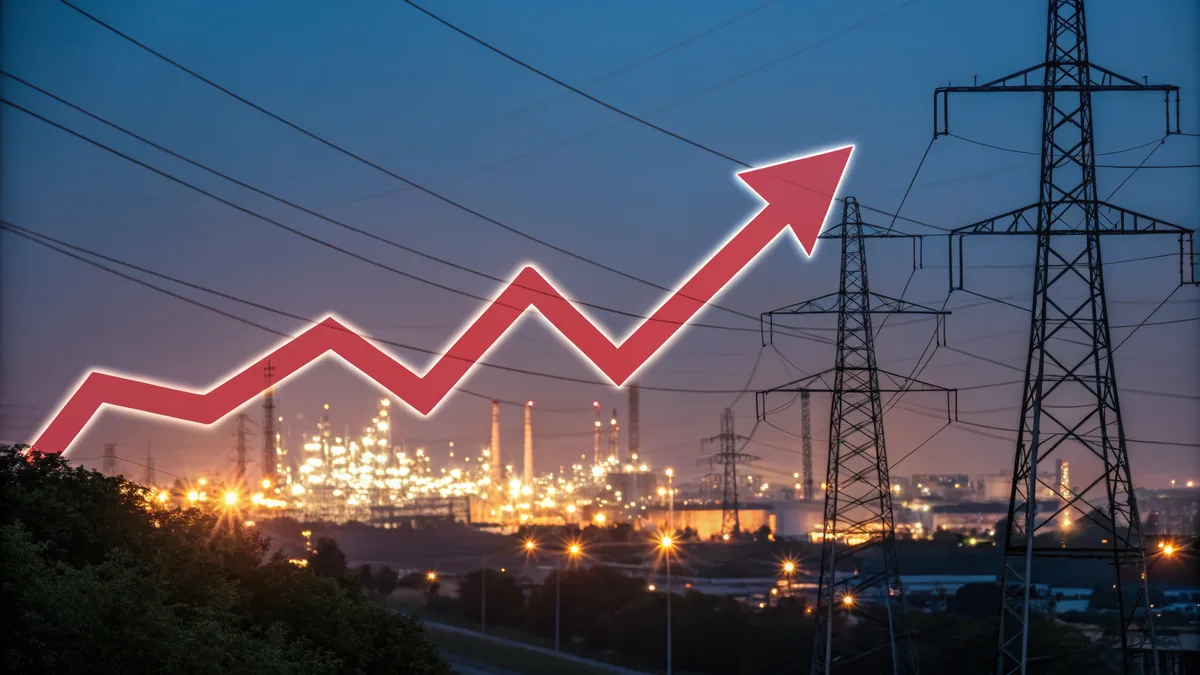
The generator sales market is entering a sustained growth phase underpinned by structural demand factors rather than cyclical upswings alone. Power reliability concerns — amplified by climate-related grid disruptions, geopolitical energy insecurity, and the explosion of digitally dependent industries — are compelling commercial, industrial, and residential users alike to invest in backup and prime power assets. Industry estimates suggest total global revenues will expand from roughly USD 24.5 billion in 2026 to USD 38.2 billion in 2032, implying a CAGR of approximately 7.7%.
Source: forecast table in this report
| Year | Estimated Market Size (USD Billion) | Year-over-Year Growth (%) |
|---|---|---|
| 2026 | 24.5 | Base Year |
| 2027 | 26.4 | 7.6% |
| 2028 | 28.4 | 7.7% |
| 2029 | 30.6 | 7.7% |
| 2030 | 33.0 | 7.8% |
| 2031 | 35.5 | 7.7% |
| 2032 | 38.2 | 7.6% |
Revenue figures above are presented in nominal USD and reflect industry estimates based on reported shipment data, manufacturer revenue disclosures, and regional demand projections. The power range segment spanning 100 kVA to 1,000 kVA is expected to generate the highest absolute dollar increments given its suitability for commercial real estate, manufacturing, and telecom tower applications. Sub-10 kVA portable generators, while high in unit volume, contribute a proportionally smaller revenue share owing to lower average selling prices.
Key Drivers
Multiple converging forces are sustaining and accelerating generator sales globally. Understanding these drivers is essential for investors, procurement managers, and strategic planners assessing market entry or capacity expansion decisions.
1. Grid Unreliability and Extreme Weather Events
Power outages attributable to hurricanes, wildfires, flooding, and winter storms have increased in frequency and severity across North America, South Asia, and Sub-Saharan Africa. Utilities in these regions are struggling to modernize aging transmission and distribution infrastructure fast enough to meet load growth. This reliability gap directly fuels standby generator adoption among commercial properties, hospitals, industrial plants, and increasingly, residential users seeking whole-home backup solutions.
2. Data Center and Digital Infrastructure Expansion
Hyperscale and colocation data center construction activity reached record levels globally in 2024 and 2025, with major campuses commissioned across Northern Virginia, Singapore, Dublin, and São Paulo. Each megawatt of IT load typically requires an equivalent or greater megawatt of backup generation capacity, creating a direct, quantifiable linkage between cloud infrastructure spending and generator procurement volumes. The AI compute buildout is further compressing timelines and amplifying power density requirements.
3. Industrialization in Emerging Economies
Countries across Sub-Saharan Africa, South and Southeast Asia, and parts of Latin America continue to experience electrification deficits. In Nigeria, Kenya, Bangladesh, and the Philippines, commercial and industrial operators routinely depend on diesel generators as a primary or near-primary power source. As GDP per capita rises and manufacturing foreign direct investment expands, the installed base of medium- and large-frame generators in these regions is growing commensurately.
4. Transition to Gas and Hybrid Systems
Environmental regulations in the European Union, North America, and parts of Asia Pacific are incentivizing a transition away from diesel toward lower-emission alternatives. Natural gas generators, dual-fuel configurations, and generator-battery hybrid systems address both the regulatory compliance imperative and the operational cost management needs of large end users. This technology shift is expanding addressable market value per unit even as total unit shipments in some mature markets plateau.
Restraints & Challenges
Despite the broadly favorable demand environment, the generator sales market confronts several structural and cyclical headwinds that could moderate growth in specific segments and geographies.
Tightening Emissions Regulations
Diesel generator operation is subject to increasingly stringent NOx, PM2.5, and CO2 emissions standards in developed markets. EPA Tier 4 Final requirements in the United States, EU Stage V norms in Europe, and equivalent frameworks in Australia and Japan impose compliance costs on manufacturers and users alike. While these regulations are accelerating the gas and hybrid shift described above, they also create procurement uncertainty during transition periods and add to total cost of ownership for legacy diesel fleets.
Competition from Stationary Battery Energy Storage Systems
Lithium-ion battery storage costs have declined dramatically over the past decade, and in applications requiring short-duration backup (under 4 hours), battery systems now present a credible alternative to conventional generators in terms of total lifecycle cost, particularly when paired with on-site solar. While batteries cannot yet economically replicate the multi-day runtime capability of liquid-fueled generators for large commercial or industrial loads, the competitive pressure in the sub-100 kW residential and light commercial segment is tangible.
Fuel Price Volatility
Generator operating economics are directly tied to diesel and natural gas prices. Significant price spikes — as witnessed during 2021-2022 — increase operating costs for users and can delay capital investment decisions, particularly among price-sensitive small and medium enterprise buyers. Natural gas supply disruptions in Europe following geopolitical disruptions have also periodically dampened enthusiasm for gas generator adoption in that region.
Supply Chain and Lead Time Pressures
Semiconductor shortages, alternator component constraints, and logistics disruptions have extended generator lead times at various points in the post-pandemic supply cycle. Although conditions have normalized considerably since 2023, OEMs and distributors remain exposed to periodic component scarcity, particularly for specialized control modules and higher-power switchgear assemblies.
Segmentation
The generator sales market is segmented across three primary dimensions: generator type (fuel/technology), application (power range and use case), and end-user industry. Each dimension carries distinct growth trajectories, competitive dynamics, and regional weightings.
By Type
- Diesel Generators: The largest segment by both revenue and unit shipments. Diesel generators offer proven reliability, broad service network availability, and superior energy density — attributes that continue to make them the default choice across industrial, construction, and utility applications in developing markets. However, market share is gradually eroding in mature economies due to emissions constraints.
- Natural Gas Generators: The fastest-growing fuel type segment through 2032, particularly in North America and Europe. Lower per-unit emissions, compatibility with existing pipeline infrastructure, and increasingly competitive capital costs relative to diesel are accelerating adoption in data centers, healthcare, and continuous-duty commercial installations.
- Dual-Fuel / Bi-Fuel Generators: Offer fuel flexibility as a hedge against supply disruptions or price volatility. Primarily deployed in large industrial and critical infrastructure applications where operational continuity is paramount.
- Portable / Gasoline Generators: High unit volumes driven by residential emergency preparedness and light construction. Lower average selling prices constrain revenue contribution relative to unit share.
- Hybrid Generator Systems (Generator + Battery): An emerging but high-growth segment, particularly in off-grid and microgrid applications across Africa, Pacific islands, and remote industrial sites. These systems reduce fuel consumption and emissions while maintaining the runtime advantages of combustion generation.
By Application (Power Range)
- Below 75 kVA: Residential, small retail, light construction. High unit volume, competitive pricing, distribution-channel dependent.
- 75 kVA – 375 kVA: Commercial buildings, telecom towers, SME manufacturing. Core revenue contributor across APAC and MEA.
- 375 kVA – 1,000 kVA: Large commercial, mid-size industrial, data centers. Highest average selling price per unit outside the mega-generator segment; strong aftermarket and service revenue attached.
- Above 1,000 kVA: Hyperscale data centers, utilities, large mining and oil & gas installations. Relatively low unit volumes but substantial project value; heavily influenced by infrastructure capital expenditure cycles.
By End-User
- Data Centers & IT Infrastructure: Among the fastest-growing end-user segments globally, driven by cloud computing, AI workloads, and edge computing deployments.
- Healthcare & Hospitals: Regulatory mandates for backup power in life-safety applications create sustained, relatively price-inelastic demand.
- Oil & Gas and Mining: Large prime-power and continuous-duty installations in remote locations; resistant to distributed energy substitution due to site constraints.
- Construction: High generator utilization during active project phases; portable and mid-range towable units dominate.
- Telecom: Tower densification and 5G rollout programs across APAC, Africa, and LATAM are sustaining steady demand for compact, fuel-efficient backup units.
- Residential: Growing segment particularly in markets prone to extended outages; whole-home standby generator adoption accelerating in North America.
- Manufacturing & Utilities: Process-critical operations requiring uninterruptible prime or standby power across chemical, food & beverage, cement, and metals sectors.

Regional Analysis
The generator sales market exhibits distinct demand characteristics across the five major global regions, shaped by energy infrastructure maturity, regulatory environments, economic growth rates, and end-user industry mix.
Asia Pacific (APAC)
APAC represents the largest regional market by both revenue and volume, accounting for an estimated 35%–38% of global demand in 2026. India is the single largest national market for diesel generators within the region, driven by persistent grid deficits in semi-urban and rural industrial corridors, rapid manufacturing expansion under policy initiatives such as Production Linked Incentive (PLI) schemes, and a booming data center sector. China's market is more mature and increasingly shaped by domestic environmental regulations pushing users toward gas and hybrid configurations. Southeast Asian economies — Vietnam, Indonesia, the Philippines, and Thailand — are experiencing strong growth tied to manufacturing FDI inflows and infrastructure development. Australia represents a smaller but high-value market with significant mining-sector generator demand.
North America
North America is the second-largest regional market and home to some of the highest per-capita generator spending globally. The United States dominates, with demand anchored by data center construction in Northern Virginia, Phoenix, and Dallas metro areas; residential standby adoption in states frequently affected by hurricane or wildfire-related outages (Florida, Texas, California); and large-scale industrial and utility applications. Canada contributes steady demand particularly from oil sands and mining operations. The region is a leading adopter of natural gas standby systems and generator-battery hybrid solutions, reflecting both emissions regulations and the relative abundance of natural gas.
Europe
Europe presents a complex picture: strict Stage V emissions standards are reshaping the product mix toward gas, HVO (hydrotreated vegetable oil)-compatible diesel, and hybrid systems, while geopolitical energy insecurity following the Russia-Ukraine conflict has materially elevated awareness of backup power needs across industrial, healthcare, and critical infrastructure sectors. Germany, the UK, France, and the Nordic countries account for the largest national revenues. The data center buildout in Dublin, Amsterdam, Frankfurt, and London continues to generate significant procurement activity. Overall market growth is moderate compared to APAC and MEA, constrained by market maturity and high penetration of grid-tied renewable energy in some sub-regions.
Latin America (LATAM)
Latin America is a mid-sized but growing market, with Brazil and Mexico serving as the primary demand centers. Brazil's large industrial base, frequent grid stress events in the northeast region, and expanding data center ecosystem in São Paulo support steady generator procurement. Mexico benefits from nearshoring-driven manufacturing investment, with generator demand growing in industrial parks across Monterrey, Guadalajara, and the border states. Argentina, despite macroeconomic volatility, represents a meaningful market for mid-range diesel generators in agriculture, oil & gas, and commercial applications. The region's growth is partially constrained by currency risk, import duties on generator components, and inconsistent infrastructure investment cycles.
Middle East & Africa (MEA)
MEA is among the fastest-growing regional markets in percentage terms, fueled by Sub-Saharan Africa's persistent electrification gaps and the Gulf Cooperation Council's (GCC) large-scale infrastructure and smart city projects. Nigeria, Kenya, South Africa, and Ghana collectively represent the largest generator markets on the African continent, where diesel generation serves as a functional primary power source for a significant portion of commercial and industrial users. GCC nations — particularly Saudi Arabia and the UAE — are investing in data centers, mega-projects (NEOM, Dubai Expo legacy development), and diversified industrial zones that require substantial backup and prime power capacity. Rental generator fleets are particularly active across MEA given capital constraints among many SME users.

Competitive Landscape
The global generator sales market is moderately consolidated at the top tier, with a small number of multinational OEMs holding significant shares in the high-kVA commercial and industrial segments, while the sub-100 kVA portable and residential market is served by a larger, more fragmented group of regional and value-tier manufacturers. Competition is intensifying across digital services — remote monitoring platforms, predictive maintenance software, and fleet management tools — as OEMs seek to build aftermarket revenue streams that supplement one-time capital equipment sales.
- Caterpillar Inc. (Cat Power): One of the world's largest generator manufacturers, offering a comprehensive range from portable units to multi-megawatt power plants; particularly strong in oil & gas, data centers, and mining globally.
- Cummins Inc.: A leading diesel and gas engine manufacturer with a broad generator set portfolio marketed under the Cummins and Onan brands; holds strong positions in commercial, residential, and industrial standby segments across North America and APAC.
- Generac Holdings Inc.: The dominant player in the North American residential and light commercial standby generator segment; expanding aggressively into industrial and clean energy storage solutions.
- Kohler Co. (Power Systems Division): Competes across residential, commercial, and industrial segments with a product range spanning gasoline portables to large natural gas and diesel stationary units; known for premium product positioning and channel depth.
- Aggreko plc: A global leader in temporary power rental and modular power solutions, serving events, construction, utilities, and industrial clients with large-scale generator fleets across all five major regions.
- Mitsubishi Heavy Industries (MHI): A significant player in the large-frame gas generator and combined heat and power (CHP) segment, particularly in Japan, Europe, and the Middle East; increasingly active in gas turbine generator sets for utility-scale applications.
- Himoinsa (Yanmar Group): A Spain-headquartered manufacturer with strong penetration in Europe, LATAM, and MEA; offers diesel, gas, and hybrid generator sets across a wide power range and is recognized for product localization capabilities in emerging markets.
Beyond these leaders, notable competitive pressure comes from China-based manufacturers — including Weichai Power, SDMO (a Kohler subsidiary with French origins), and FG Wilson (Caterpillar subsidiary) — which compete aggressively on price in price-sensitive emerging markets. Strategic acquisitions, OEM partnerships with battery storage providers, and expansion of service and maintenance networks represent the primary competitive battlegrounds through 2032.

Recent Developments
The generator industry has witnessed meaningful strategic and technological activity over the past 18–24 months, reflecting both the shifting competitive landscape and the broader energy transition dynamics reshaping end-user demand.
- Hybrid and HVO Compatibility Investments: Several major OEMs announced that their current-generation diesel generator sets are now factory-certified to operate on Hydrotreated Vegetable Oil (HVO) blends, enabling users in Europe to achieve significant lifecycle carbon reductions without capital equipment replacement. This development is particularly significant for data center operators with net-zero commitments.
- Generac's Expansion into Commercial and Industrial: Generac, historically concentrated in the residential standby segment, has made targeted acquisitions and product launches to establish credibility in the 150 kW – 1 MW commercial and light industrial segments, intensifying competition with Cummins and Kohler in North America.
- Cummins Accelera Hydrogen Generator Development: Cummins has disclosed ongoing development of hydrogen-fueled generator sets under its Accelera zero-emissions division, targeting commercial demonstration units for data center and utility backup applications by the late 2020s — a signal that fuel diversification will continue reshaping the product roadmap.
- Data Center Emergency Power Procurement Surge: Multiple hyperscale cloud providers placed multi-hundred-megawatt generator procurement contracts with Caterpillar and Cummins in 2024–2025 to support campus expansions across the U.S., Europe, and Southeast Asia, stretching OEM lead times and reinforcing order backlogs.
- Aggreko Power-as-a-Service Expansion: Aggreko expanded its modular hybrid power offering — combining diesel generators with battery storage and solar PV — across Sub-Saharan African mining operations, signing multi-year managed energy services contracts that shift the revenue model from capital equipment sales toward recurring service arrangements.
- Telecom Tower Generator Efficiency Programs: Tower companies in India and Southeast Asia have launched fleet modernization initiatives replacing aging diesel gensets with higher-efficiency Stage IIIA/IV-compliant models incorporating advanced telematics, reducing fuel consumption per site by an estimated 15%–25% based on operator disclosures.
Frequently Asked Questions
Q1: What is the current size of the global generator sales market?
Industry estimates place the global generator sales market at approximately USD 24.5 billion in 2026. The market is projected to reach USD 38.2 billion by 2032, growing at a CAGR of around 7.7% over the forecast period, driven by data center expansion, grid reliability concerns, and industrialization in emerging economies.
Q2: Which generator type holds the largest market share?
Diesel generators hold the largest share by both revenue and unit volume globally, owing to their established reliability, broad service infrastructure, and strong demand in developing markets where grid power is inconsistent. However, natural gas and dual-fuel generators are the fastest-growing type segments through 2032, particularly in North America and Europe where emissions standards are tightening.
Q3: Which region represents the highest demand for generators?
Asia Pacific is the largest regional market, accounting for an estimated 35%–38% of global generator sales revenues in 2026. India, China, and Southeast Asian economies are the primary demand centers, supported by infrastructure development, manufacturing growth, and persistent electrification gaps in semi-urban and rural areas.
Q4: How is the rise of battery storage technology affecting generator demand?
Battery energy storage systems (BESS) present growing competition to generators in short-duration backup applications — typically under 4 hours — particularly in the sub-100 kW residential and light commercial segment. However, for extended runtime requirements in large commercial, industrial, and critical infrastructure settings, liquid-fueled generators retain a decisive cost and practicality advantage. Hybrid generator-battery systems are emerging as a convergence solution that captures the strengths of both technologies.
Q5: Who are the leading companies in the global generator market?
The global generator market is led by Caterpillar Inc., Cummins Inc., Generac Holdings, Kohler Co., Aggreko, Mitsubishi Heavy Industries, and Himoinsa (Yanmar Group). These companies compete across residential, commercial, and industrial segments with differentiated product portfolios, aftermarket service networks, and increasingly, digital monitoring and energy management platforms.
Related reports
Industrial Packaging Market Size, Share & Forecast 2026-2032
98.2 USD bn
Estimated market size in 2032
- 2026
- 68.5 USD bn
- Forecast period
- 2026–2032
Modified Bitumen Market Size, Share & Forecast 2026-2032
3.52 USD bn
Estimated market size in 2031
- 2027
- 2.59 USD bn
- Forecast period
- 2027–2031
Sodium Chlorate Market Size, Share & Forecast 2026-2032
3.30 USD bn
Estimated market size in 2032
- 2024
- 2.10 USD bn
- Forecast period
- 2024–2032