How to Read Industry Reports Without Getting Manipulated
Industry reports are 70% useful, 30% sponsored agenda. The four checks that separate high-signal data from PR disguised as research.
In this article
Industry research is one of the highest-leverage inputs to strategy — and one of the most easily manipulated. Most reports contain 70% defensible analysis and 30% sponsored agenda. Without a structured way to evaluate them, you risk making decisions based on conclusions designed to sell consulting services rather than reflect reality. Here are the four checks that separate signal from noise.

Check 1: Who Funded It
Always read the funding disclosure first. Reports funded by a vendor in the category being analyzed are not bad — but the conclusions need adjustment. A "State of Marketing Automation" report sponsored by HubSpot will overstate the ROI of marketing automation. The methodology may be sound; the framing is rarely neutral. Compare findings against vendor-neutral sources (Forrester, Gartner have biases too but disclose them differently).

Check 2: Sample Methodology
The most-quoted statistics often come from tiny, biased samples. Look for: total respondents, recruitment method (self-selected from a vendor list will skew positive), demographic breakdown, response rate. A "survey of 5,000 marketers" recruited from a single vendor's customer base produces customer satisfaction data, not industry truth. Reports with transparent methodology sections (1-2 pages on sampling) are typically more reliable than those with vague "based on 100+ interviews."

Check 3: Forecast Methodology
Market sizing forecasts are particularly susceptible to manipulation. Watch for: (1) base year revisions that make growth look stronger; (2) CAGRs averaged over conveniently-chosen periods; (3) market definitions that conflate adjacent categories. Reports that disclose their forecast methodology (top-down vs bottom-up, what inputs feed the model, sensitivity analysis) deserve more credibility. Reports built on methodology like our connected home market analysis show their assumptions explicitly.
Check 4: Triangulation Across Sources
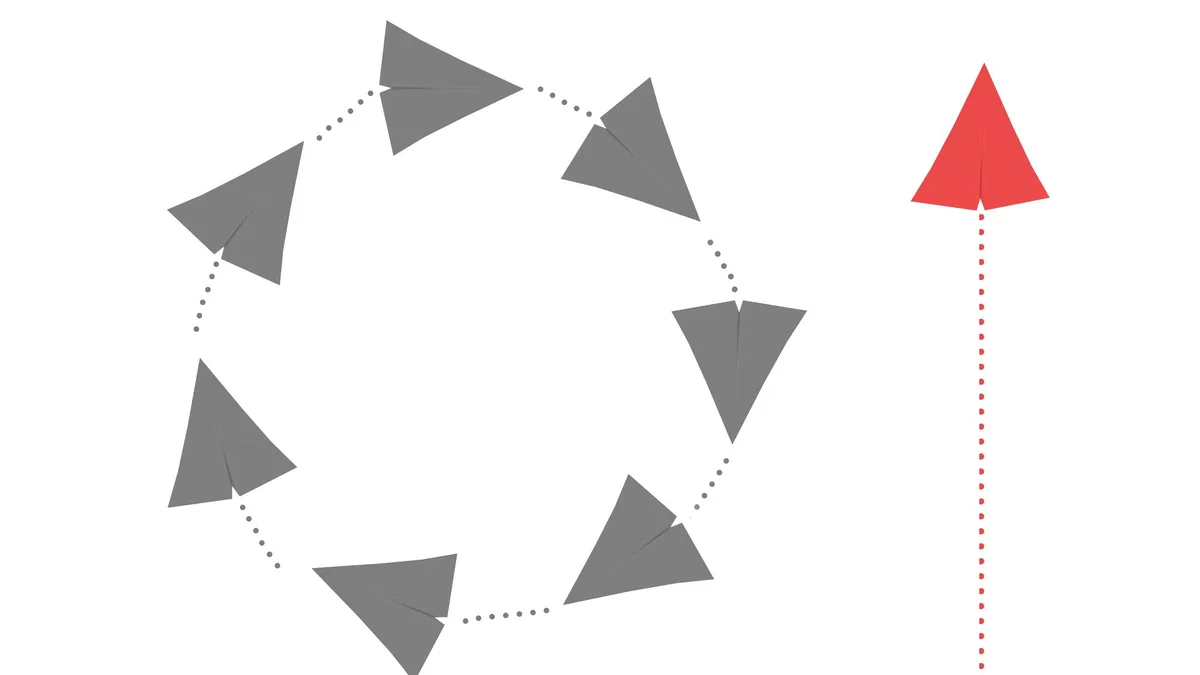
Never base a strategic decision on a single report. Triangulate across at least 3-4 sources: industry analyst (Gartner/Forrester), market research firm (IDC/IHS/Frost), category-specialist publisher (vertical trade publications), and primary-source data (your own customers, surveys, observable behavior). When all four converge, the conclusion is durable. When they diverge, the divergence itself is the most useful information — it points to where the real uncertainty lies.