AI Marketing Tools: A Pragmatic Buying Framework
Hundreds of AI marketing tools, most overlapping. The framework to identify the 3-4 that deliver real productivity vs. the rest selling AI marketing.
In this article
The marketing AI tool category exploded from 200 vendors in 2022 to over 3,000 in 2026. Most are thin wrappers on OpenAI or Anthropic APIs with poor unit economics for the buyer. Yet the right 3-4 tools genuinely deliver 30-50% productivity gains in specific workflows. The question is how to tell them apart before signing annual contracts.
The Five Filter Test
Apply five filters to any AI tool before buying: (1) Does it solve a workflow problem you'd hire a person for? (2) Does it integrate natively with your CRM and core stack — not via Zapier? (3) Has it been in market for 18+ months with documented enterprise customers? (4) Does the vendor own the model or are they pure-API resellers? (5) Is the unit cost competitive with the underlying model API + a reasonable margin? Tools that fail two or more filters are likely wrappers.
Categories That Actually Work
Four AI tool categories show consistent enterprise ROI: (1) sales conversation intelligence (Gong, Chorus, Avoma); (2) AI writing assistants embedded in workflow tools rather than standalone (HubSpot AI, Notion AI for ops); (3) personalization engines that learn from first-party data (Mutiny, Persado); (4) sales engagement AI agents (covered in our SES market analysis). Most other categories — AI logo generators, AI image tools, AI video clips — are creative supplements not productivity drivers.

Pilot Methodology
Run pilots in 30-day, single-team formats: define one specific workflow (e.g., "draft outbound email replies"), measure baseline performance for 2 weeks, deploy the AI tool for 4 weeks, compare. Avoid multi-team rollouts before validation. Common failure: tools that show productivity gains in pilot but degrade once everyone uses them (because the unique advantage was friction-removal, which gets normalized).
Buy vs Build vs Wait
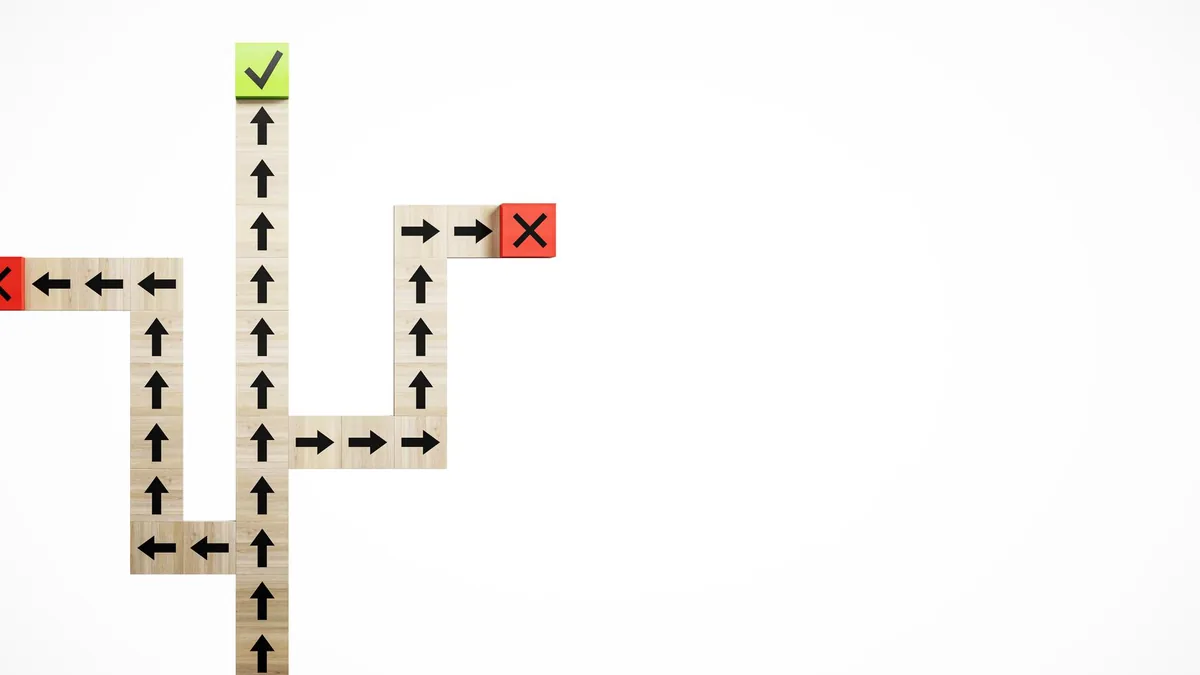
The three-way decision: buy when the tool integrates with your stack and the vendor has a clear roadmap; build when the workflow is unique to your business and APIs from major foundation model providers (Anthropic, OpenAI, Google) can be wired into existing internal tooling for 10x lower TCO; wait when the category is less than 18 months old and consolidation is likely. Most tools you're considering today fall into the "wait" bucket.