Email Deliverability in 2026: Why 35-50% of Outbound Disappears
Microsoft and Google's anti-spam tightening cut effective outbound volumes by 35-50%. The technical setup and behavioral patterns that still get to inbox.
In this article
The largest sender-side change in email's 30-year history happened quietly between February 2024 and 2026. Google and Microsoft enforced DMARC alignment, daily bulk-sender volume caps, and one-click unsubscribe — and effective outbound deliverability for B2B sales teams compressed 35-50%. The companies that adapted technically are still landing; the rest are screaming into the void.
The Technical Floor
Modern deliverability starts with three records correctly configured: SPF (which servers can send for your domain), DKIM (cryptographic signature on every outbound message), and DMARC (instruction for receivers when SPF/DKIM fail). All three must align on the visible From domain. Most senders fail at DMARC alignment because their email service provider sends from a different domain than the one in From, breaking the chain.
BIMI (Brand Indicators for Message Identification) is now table stakes for B2C and increasingly expected for B2B — it requires DMARC at p=quarantine or higher and a VMC certificate.
Behavioral Patterns That Burn Reputation
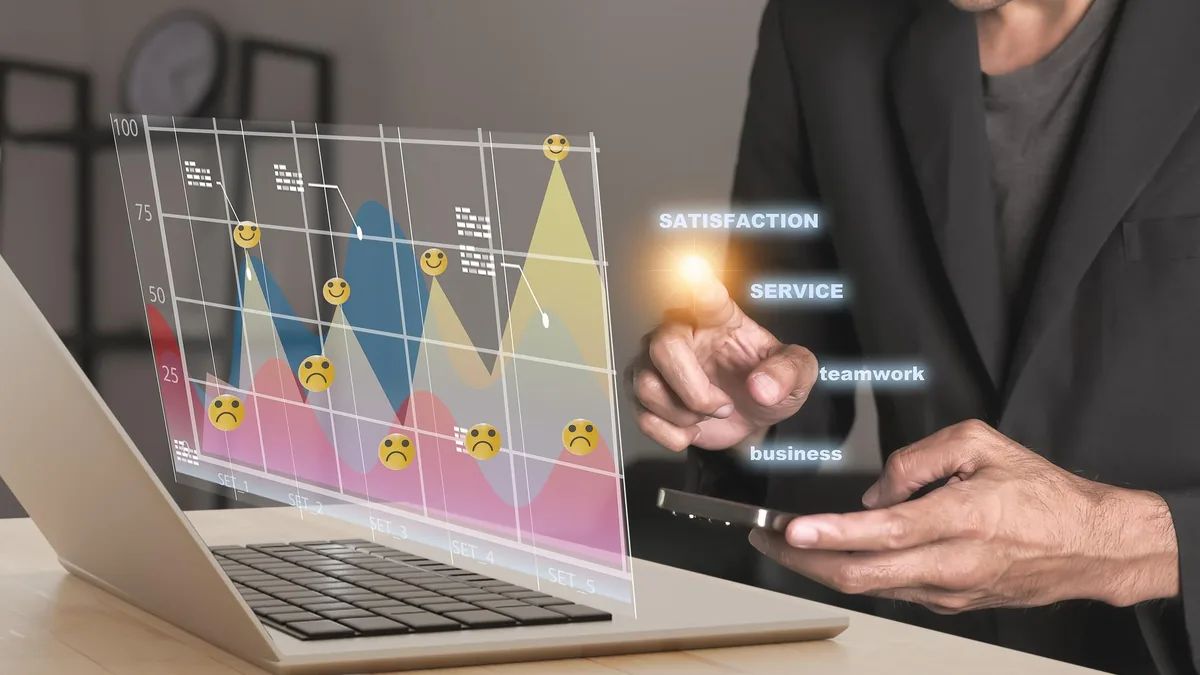
Three behaviors will degrade sender reputation faster than any technical issue: (1) sending high volume from a cold or recently warmed IP/domain (Google's heuristics now require 30+ days of consistent volume to whitelist); (2) bulk sending without proper segmentation (sending the same body to 5,000+ recipients in 24h triggers spam scoring); (3) ignoring engagement signals (continuing to send to non-openers).
The 2026 Outbound Playbook
Top-quartile sales teams now run multi-domain outbound: 5-10 sending domains, each warmed for 60+ days, sending 30-50 emails/day per inbox. Total daily volume is identical to 2023, but distribution mimics human behavior. Personalization (name, company, role specifics) is no longer enough — the body must reflect actual research on the recipient. AI-drafted-then-human-edited messages outperform both fully human and fully AI by significant margins, as covered in our sales engagement software market analysis.
Newsletters Still Win
Despite outbound compression, owned-audience email continues to dominate B2B engagement. The average B2B technology newsletter retains a 21-26% open rate and 2.8% click rate — figures unchanged in 5 years. The shift: companies are reallocating budget from cold outbound to subscriber acquisition (paid newsletter ads on Beehiiv, Substack networks, Sparkloop) because owned subscribers compound.